Fluent by AI, or fluent by habit? — Suarnamughy Maran
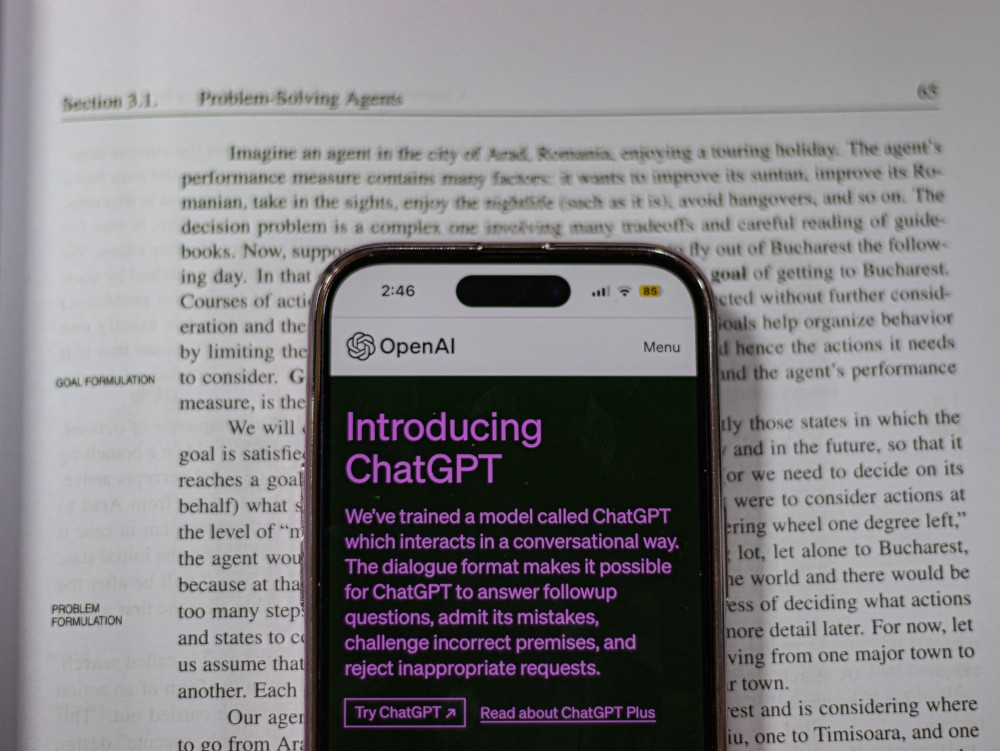
OCTOBER 10 — AI can make English easier, but are we truly becoming better English users — or simply better at using AI?
It is hard to ignore the growing presence of artificial intelligence in our daily lives, especially in education. From ChatGPT to grammar checkers and AI writing tools, technology has made learning English more accessible, convenient and, for many students, less intimidating. With just a few prompts, students can receive explanations, vocabulary suggestions, practice questions and even polished essays. It can feel like having a personal tutor available 24/7.
For Malaysian students, particularly those in universities, AI has certainly helped bridge gaps. It can boost confidence, sharpen grammar, expand vocabulary and provide instant feedback. For some learners, it has opened the door to better writing and speaking skills, particularly for those who are shy or lack access to face-to-face support. In many ways, AI has made English learning easier, faster and more efficient.
But here is the real question: has it made us better English users? Or are we simply getting better at using AI?
The concern is not that students are using AI — it is that some are relying on it too much. When AI writes our assignments, corrects our grammar, finds the “right” words and even formulates our ideas, we may be skipping the very process that builds real language proficiency: thinking, struggling and learning from our mistakes.
English is more than just correct grammar and a wide vocabulary. It is a tool for communication, critical thinking and self-expression. When students let AI do all the thinking, they may end up with text that is linguistically correct but lacks originality, personal voice and depth. A perfectly written paragraph means little if the writer has not truly understood the idea behind it.
In speaking, the situation is similar. Many students use AI to practise conversations or generate model answers, but real fluency comes from real interaction — from talking to people, listening to different accents, navigating misunderstandings and learning to express thoughts spontaneously. AI can simulate a conversation, but it cannot completely replace the human element: empathy, cultural nuances and genuine feedback.
AI can make English easier, but are we truly becoming better English users — or simply better at using AI? — Pexels pic
Moreover, there is a risk of becoming too dependent on AI. If students are not careful, they may lose the confidence to write, speak and problem-solve independently. They might also miss out on the valuable experience of struggling a little, making mistakes and growing from them — because that is where real learning happens.
As educators, we too must adapt. The role of the lecturer is no longer simply to teach grammar or vocabulary, but to guide students in using AI wisely. We need to help them develop digital literacy, critical thinking and ethical awareness. AI should be a tool, not a crutch.
And it is important to remember that AI is not always accurate. It can sometimes give incomplete, biased or even incorrect information. Students must learn to question, verify and think critically — skills that are essential not just for language learning, but for life in the digital age.
So, where does this leave us? AI has certainly made English learning easier, and it will continue to be a powerful ally. But true fluency is not just about getting the right answers. It is about developing the ability to use language with confidence, creativity and purpose. That comes from practice, interaction and a genuine interest in the language — not just from a chatbot.
In the end, the goal should not be to become fluent by AI, but to become fluent by habit — through consistent effort, real communication and a willingness to keep learning, with or without technology.
AI can guide us, but it is our curiosity, critical thinking and human connection that will truly make us fluent.
* The author is an English language lecturer at the Centre of Foundation Studies, Universiti Malaya (PASUM), and can be reached at [email protected]
** This is the personal opinion of the writer or publication and does not necessarily represent the views of Malay Mail.
KioskNews shows a cleaned-up reading view extracted from the publisher’s page — the original always lives on their site, not ours.