Why the traditional Chinese practice of nominal age makes people up to 2 years older
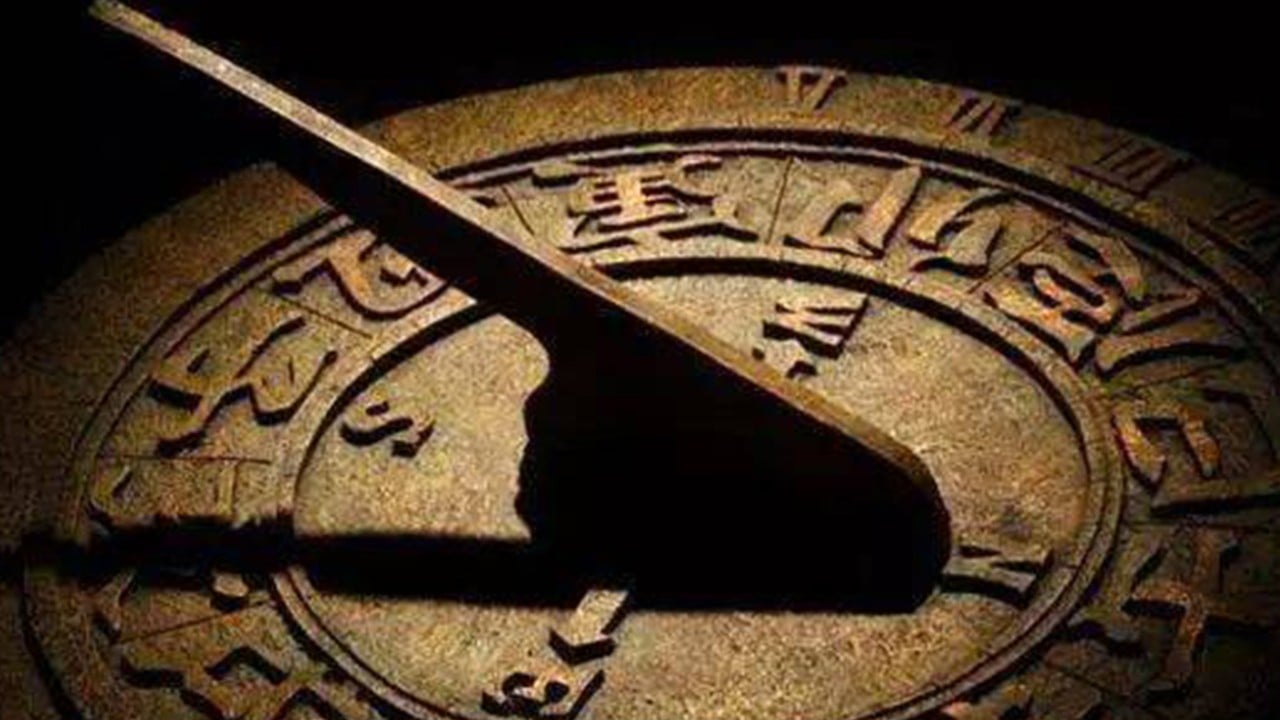
Age calculation in China is probably one of the most confusing aspects of Chinese culture, even for Chinese people themselves, because two systems are used.
One system is the international standard: a person’s age is calculated from their date of birth. The other, the traditional nominal-age system, or xu sui, adds a year at the start of each lunisolar year.
Under the xu sui system, a person’s nominal age can be up to two years greater than their actual age. The system is more commonly used in rural China and among older generations.
As a result, misunderstandings about age sometimes arise in China. One netizen said that a friend who was a paediatrician once complained that a child’s grandmother said the child was two, when in fact the child was only five months old – a misunderstanding that nearly led to a misdiagnosis.
Under the xu sui system, a person is considered one year old at birth. One explanation often cited is that China did not have the number zero until an Indian monk introduced it during the Tang dynasty (618–907).
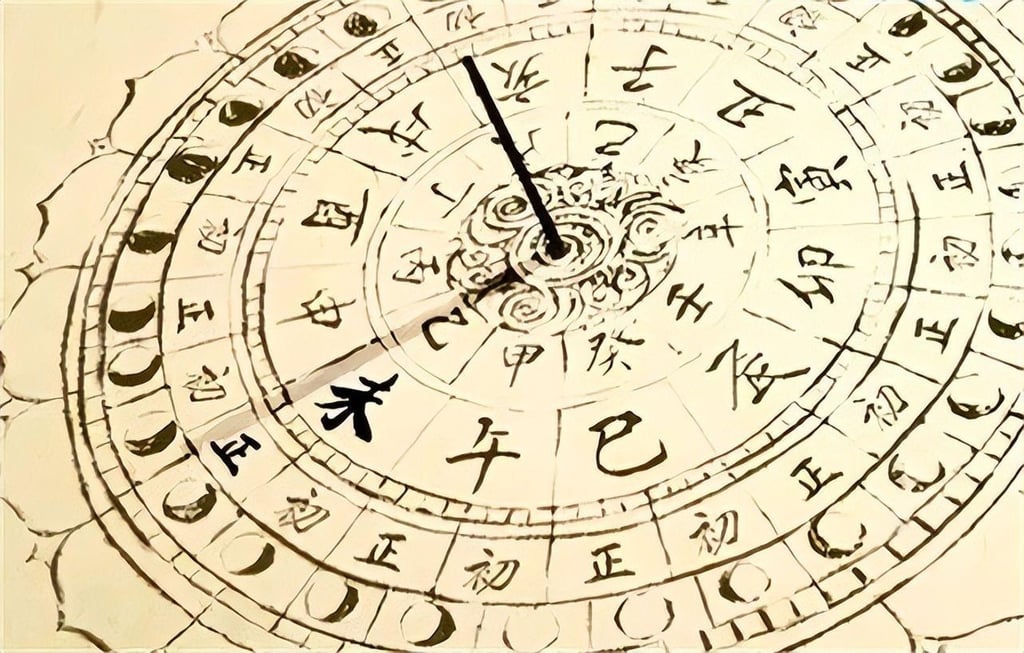
Meanwhile, China had begun calculating people’s ages before Qin Shi Huang unified the country in 221 BC, in order to assess their eligibility for taxes and corvée labour.
Although xu sui adds a year to everyone’s age at the same time, the date on which ages increased varied across different dynasties.
For example, during the Qin and Han dynasties (221 BC–220), ages increased at the time of the official household registration, which took place in August.
During the Tang dynasty, the date for the annual age increase was moved to the first month of the lunisolar calendar, laying the foundation for today’s practice of adding a year on lunisolar New Year’s Day.
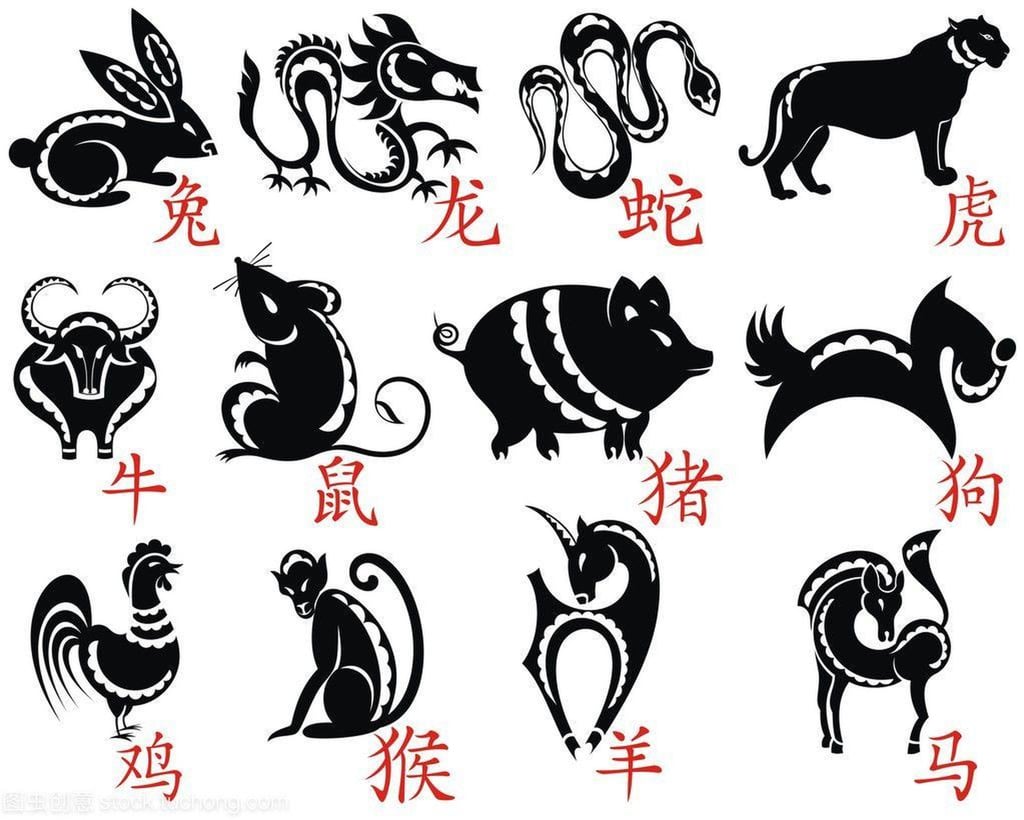
One piece of evidence that ancient Chinese people calculated age according to the lunisolar year is the literati practice of “writing on New Year’s Day”.
On that day, men of letters would write a poem or create a painting with auspicious meanings to pray for good fortune in the coming year.
Some literati, including Zhang Yu of the Yuan dynasty (1271–1368) and the Ming dynasty (1368–1644) poets Wang Yue and Wang Shizhen, wrote about their ages increasing on New Year’s Day.

It is said that before the Qing dynasty (1644–1912) issued the country’s first Household Registration Law in 1911, shortly before its collapse, official records listed only people’s birth years – not their birth months or dates.
In today’s China, official age is calculated from a person’s birthday, in line with the international standard.
Younger generations are also increasingly abandoning the xu sui system so they do not feel quite so “ancient.”
KioskNews shows a cleaned-up reading view extracted from the publisher’s page — the original always lives on their site, not ours.