Can Hong Kong hold its ground as Nasdaq brings Wall Street into Asian hours?
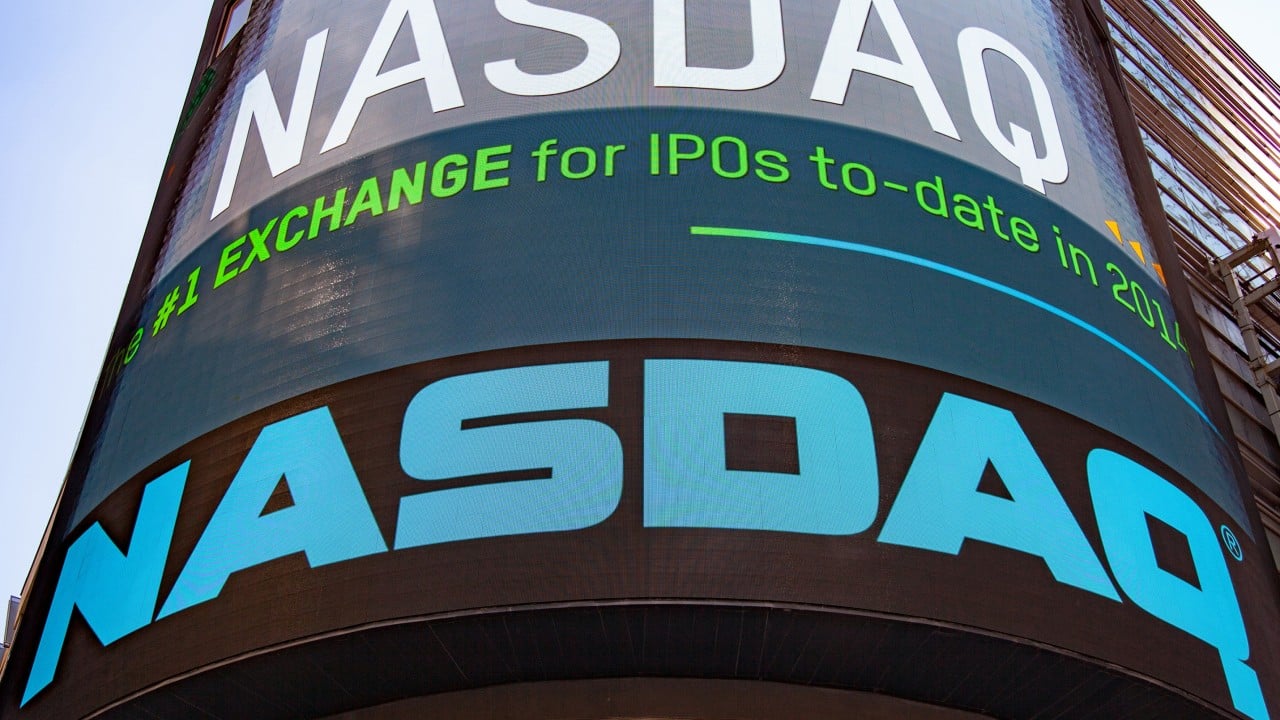
Nasdaq is preparing to extend trading in US equities on its exchange to nearly 23 hours a day from next month, a landmark shift that will bring Wall Street into real-time competition with Asian markets.
The expansion, slated for launch on December 6, introduces an overnight window running from 9pm to 4am Eastern Time. During US winter time, that corresponds to 10am to 5pm in Hong Kong and Beijing, directly overlapping with normal trading hours across China.
The US Securities and Exchange Commission approved the plan in April, though the launch still depends on market data systems and further rule changes. Nasdaq had said the move was designed to meet growing demand from investors in Asia.
Market participants said they expected Hong Kong to feel the immediate effects. While mainland China’s strict capital controls and annual foreign-exchange purchase quotas restrict outbound retail flows, Hong Kong operates as an open financial hub with unfettered capital movement.
The overlapping trading window was expected to tighten intraday price correlations across sectors represented in both markets, particularly internet technology, semiconductors, electric vehicles and biotechnology, said Wang Gang, chairman of asset manager Jiangyue Fund, according to mainland Chinese outlet National Business Daily.
Shocks in US markets would typically be reflected in Hong Kong at the next day’s open. Under the new regime, price swings could be “transmitted instantly during Hong Kong trading hours”, Wang said.
The influence could also run in the opposite direction, with moves in Hong Kong-listed tech stocks directly shaping the pricing of US-listed Chinese peers and related American firms during Asian hours, he added.
I think the change won’t be a critical factor in drawing trading activity towards US equities
Although the benchmark Hang Seng Index gained 5.1 per cent to 24,481.86 last week – its strongest weekly performance since March 2025 – it surrendered 1.3 per cent on Friday after a sharp overnight sell-off in US tech stocks.
Some market observers, however, downplay concerns that the change will divert significant liquidity from Hong Kong.
“I think the change won’t be a critical factor” in drawing trading activity towards US equities, said Jason Chan Ka-cheung, senior vice-president and equity strategist at Bank of East Asia.
The main catalysts for US equities, including corporate earnings and economic data releases, were still concentrated outside Asian daytime hours, Chan said, suggesting regional trading patterns were unlikely to shift overnight.
Hong Kong investors already had access to daytime US exposure through locally listed exchange-traded funds and index futures, he added. Furthermore, a growing share of the Hong Kong Exchanges and Clearing’s (HKEX) turnover comes from mainland Chinese investors using the southbound Stock Connect scheme – capital that cannot be directed into US-listed stocks.
Hong Kong is preparing its own response to protect its market share.
The HKEX plans to stretch its after-hours derivatives trading session to 4.15am from 3am from March 2027, pending regulatory approval.
A discussion paper on extending cash-market trading hours was also due this quarter, said Julia Leung Fung-yee, CEO of the Securities and Futures Commission, at an industry conference on October 9.
Longer trading hours would allow investors to respond more quickly to fast-moving developments across time zones and help “ensure Hong Kong remains competitive”, Leung said.
KioskNews shows a cleaned-up reading view extracted from the publisher’s page — the original always lives on their site, not ours.