Child abuse cases rise in Malaysia, Indonesia, Singapore. Why?

Malaysia, Indonesia and Singapore have all recorded rising numbers of child abuse cases in recent years, but child welfare advocates say this may be a sign of progress rather than worsening violence, as greater awareness and improved reporting bring more cases to the attention of authorities.
“The good news is that more people are reporting,” said Hartini Zainuddin, a veteran advocate for abused children in Malaysia.
Official figures show growing caseloads in all three countries, but differences in how the data is collected make it hard to tell whether abuse itself is becoming more widespread.
Even when cases are reported, family pressure, limited support services and gaps in follow-up can leave children struggling to get help, according to advocates and international organisations.

Rising case numbers
In Malaysia, the number of children recorded as needing care and protection rose from 6,770 in 2022 to 8,536 in 2023 and 9,624 in 2024, according to Department of Social Welfare records cited by the statistics department.
The category covers children requiring welfare intervention and does not necessarily mean each one was a confirmed victim of abuse.
In Singapore, 2,476 new child abuse cases involving low or moderate safety and risk concerns recorded in 2025, up from 2,128 in 2023, according to revised figures from the Ministry of Social and Family Development.
Indonesia recorded about 19,600 cases of violence against children in 2024, compared with roughly 18,200 a year earlier, according to the annual performance report of the Ministry of Women Empowerment and Child Protection.
Gill Raja of Social Worker Alliance Malaysia said the country’s rising caseload probably reflected both better detection and more harm.
Improved awareness, changing attitudes towards reporting and clearer reporting channels likely accounted for most of the increase, she said, adding that an actual rise in abuse, particularly online, could also be contributing.
Singapore’s social ministry said higher caseloads could reflect greater vigilance and continued reporting by the public and frontline professionals. Preliminary figures for the first half of 2026 showed a slight year-on-year decline in low- and moderate-risk cases and a slight increase in high-risk cases.

Barriers to help
In Malaysia, practical obstacles – such as finding the money, transport and time to access services – combined with inadequate mental health support could add to the pressure on families to keep abuse private, Hartini said.
“Even when families lodge a report and follow up on it, a case might not proceed if prosecutors considered the evidence insufficient,” she said.
She recalled an aunt who phoned her about a child who was allegedly abused at a school in Penang, then called back an hour later to say the family would not pursue a complaint.
“One hour later, one hour! She called and said, you know what, I’m not going to press charges because the mother decided not to. Because the teacher at the school told them not to involve an NGO and not to complain,” Hartini said.
In a written parliamentary reply reported by government news agency Bernama, Malaysia’s Women, Family and Community Development Ministry said the welfare department was responsible for rescuing victims, arranging safe accommodation and providing rehabilitation support.
Raja, who is also a committee member of the Sarawak Women For Women Society, said children needed “skilled, trustworthy, consistent people” to support them through interventions, ensuring attention was paid to their emotions and relationships with siblings and significant adults, rather than just their physical safety.
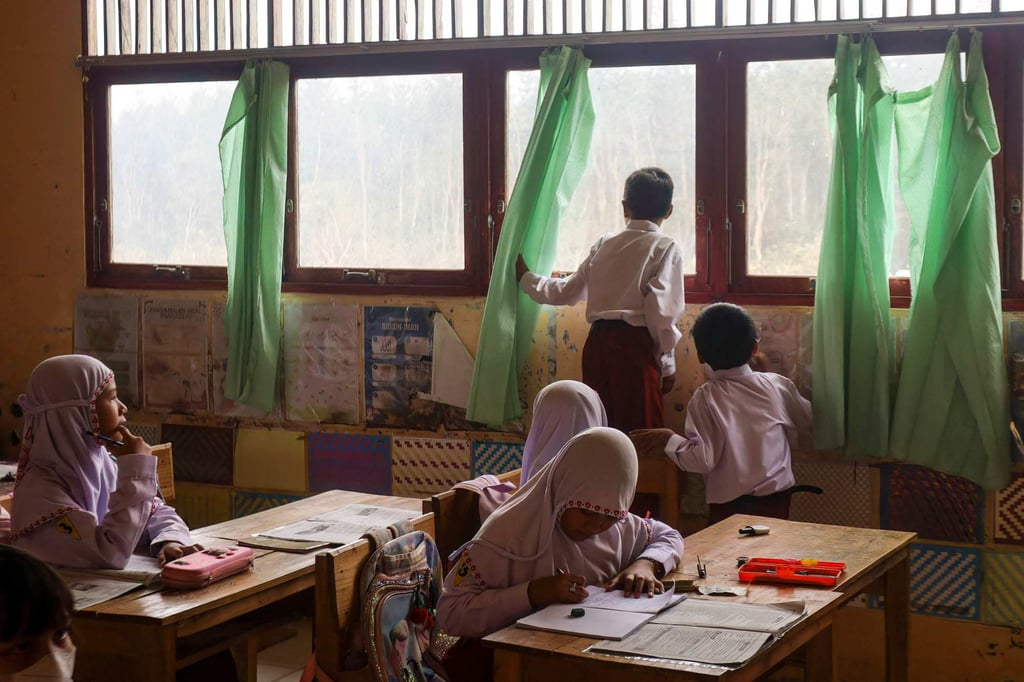
In Indonesia, an independent evaluation of integrated protection services for children and women identified stigma, fear of disclosure, limited awareness of services and geographical barriers as obstacles to seeking help. Commissioned by Unicef and the country’s Ministry of Women Empowerment and Child Protection, it covered services between 2021 and 2023.
In a written response to This Week in Asia, Unicef Indonesia said reported cases should receive timely support, guided by an individual plan implemented and monitored by a caseworker working with the child and the family.
However, access varies by location. Citing its evaluation, the UN agency said that while provinces and major urban districts generally benefited from stronger staffing, budgets and specialist services, many rural and remote districts faced shortages of qualified personnel, funding, psychologists, legal aid and shelters.
“In some areas where community-based mechanisms are established and functioning, early detection and prevention efforts have proven effective. However, such mechanisms are not consistently available across Indonesia,” it said.
Singapore’s new system
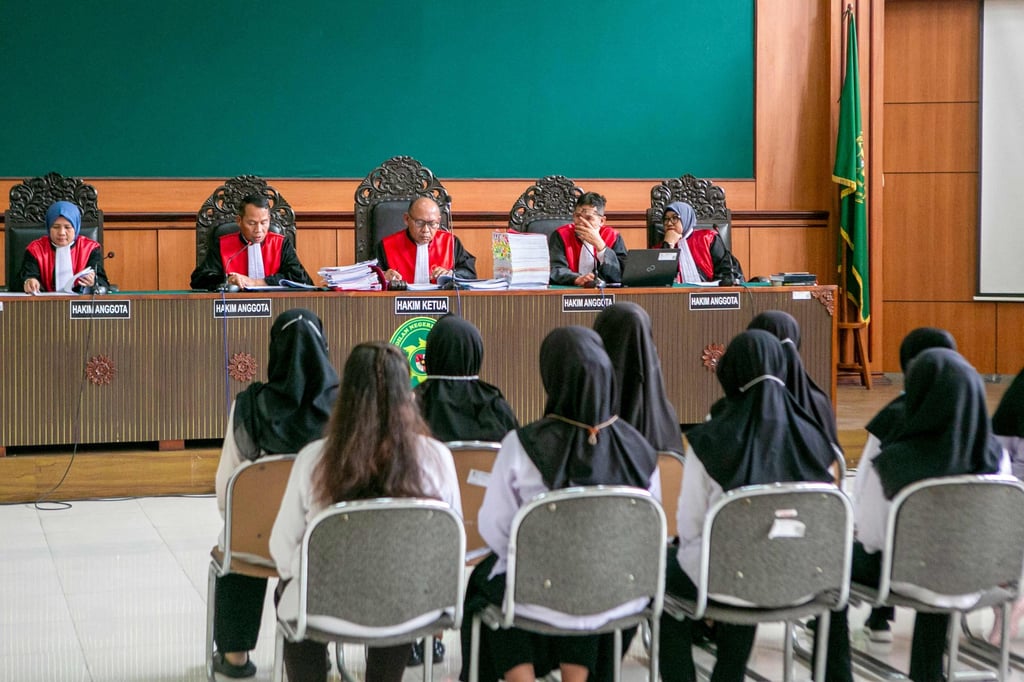
An official review of the death of four-year-old Megan Khung, who died after months of abuse by her mother and her mother’s boyfriend, identified failures in how agencies handled reports about her safety.
It found that a protective service officer had failed to register a call from the charity Beyond Social Services, preventing the usual supervisory discussion, and that police officers’ failure to follow established processes also delayed action on the first police report.
“There were opportunities to pick up on the abuse, which might have prevented Megan’s death,” Desmond Lee, minister-in-charge of social services integration, told parliament in November 2025. “Our responses clearly fell short.”
In September, the Singapore government formally launched Sensemaking Alerts for Frontline Engagement and Response (Safer), a unit that pools information from the police, Central Narcotics Bureau and Ministry of Social and Family Development to help practitioners identify potential child protection concerns earlier.
Operational since late June, it is initially focusing on families with children under seven where there are child protection concerns.
“With Safer, while we cannot prevent every future instance of abuse, it will certainly reinforce our ability to identify high-risk cases and provide more timely support where needed,” said Senior Minister of State for Social and Family Development Goh Pei Ming at the launch.
Hartini said some Malaysian parents had asked her to take their children in because they could no longer cope.
“There are different pressures – livelihood, money and mental health. The cost of living, expenses have gone up,” she said, adding that the latest such request had come two weeks before she spoke to This Week in Asia.
KioskNews shows a cleaned-up reading view extracted from the publisher’s page — the original always lives on their site, not ours.