China still has ‘catching up to do’ to become biotech powerhouse, JPMorgan says

A lag in foundational research and looming geopolitical risks will weigh on China’s bid to build a world-class biotechnology innovation ecosystem, even as the sector’s overseas momentum remains strong, according to JPMorgan.
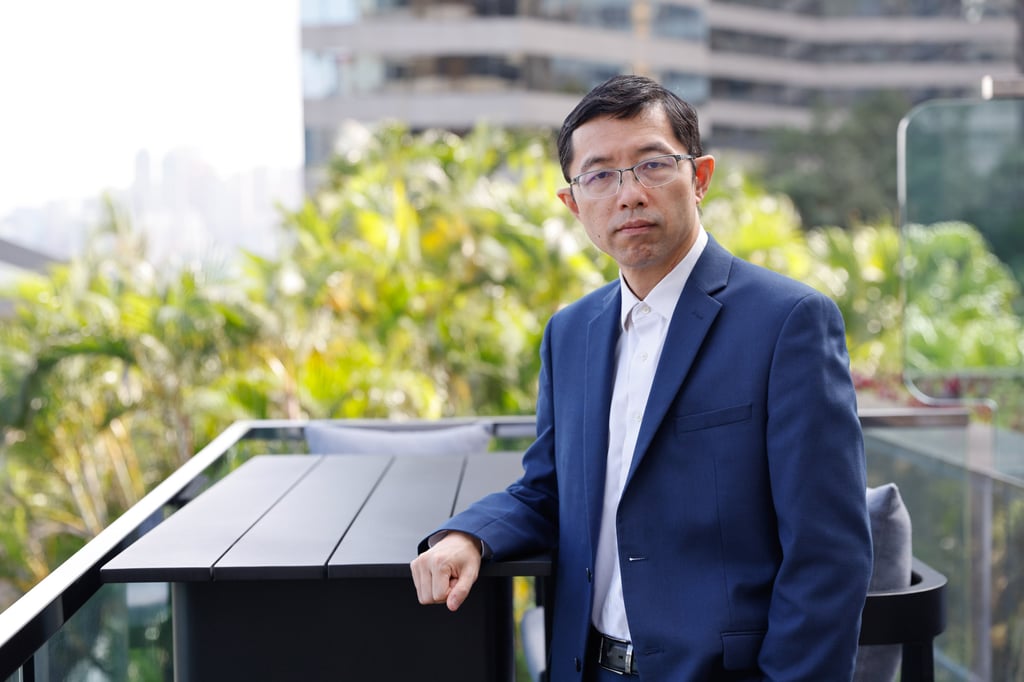
“In China, there is still some catching up to do in basic research, particularly in biological and pharmaceutical research,” said Yang Huang, head of China healthcare research at JPMorgan, during an interview on Wednesday.
To meet the “ambitious goal” set in the country’s new five-year plan for the biopharmaceutical industry, China will need to focus on basic research that pushes the scientific frontier, according to Huang, who was speaking on the sidelines of the investment bank’s APAC Technology, Innovation and Growth conference in Hong Kong.
Beijing said the country should “firmly rank at the global forefront” for biopharmaceutical innovation by 2030 in the plan released in September, with China-originated first-in-class innovative drugs accounting for at least one-quarter of the global total.
Producing these drugs would require “significant investment” and “continued work” from Chinese universities and labs to advance basic research, Huang said.
China’s role as a biotech innovation hub has grown rapidly in recent years, with global pharmaceutical giants increasingly sourcing drug assets from the country. The value of out-licensing deals involving China-developed innovative drugs had reached US$130 billion so far this year, approaching the full-year total for 2025, China’s National Development and Reform Commission said last month.
Most of the Chinese innovative drugs licensed to overseas partners, however, are currently not first-in-class, Huang noted.
China’s push to build a world-leading biotech industry could also face geopolitical barriers, as the effort requires the country to have direct access to developed markets, according to Huang.
Chinese biotech firms currently rely on overseas partners to develop and commercialise their drugs under the dominant out-licensing business model, but a few industry leaders “could consider doing things by themselves”, he said.
Building this independence, however, remained a long-term goal stretching beyond the next three to five years and could be contingent on factors including the global geopolitical landscape, Huang added.
Washington has ramped up its scrutiny of cross-border biopharmaceutical collaboration amid China’s rise in the industry.
The US Treasury Department last month proposed new rules under the Comprehensive Outbound Investment National Security (Coins) Act, which, if approved, would curb US biotech investments in certain nations including China.
The Biosecure Act, meanwhile, will prohibit entities that receive federal funding and contracts from doing business with “biotechnology companies of concern”, with a list of blacklisted companies expected to be released by the end of this year.
Such geopolitical risks remained a focal point for many investors watching China’s healthcare sector, Huang said, describing the investment bank’s 2027 outlook for the sector as “cautiously optimistic”.
“The best approach for Chinese healthcare companies is to remain patient while continuing to strengthen their research and development capabilities,” Huang said.
Still, the Chinese sector offered high growth potential and could serve as a defensive play for investors looking to rotate their exposure away from artificial intelligence and hardware, he added.
KioskNews shows a cleaned-up reading view extracted from the publisher’s page — the original always lives on their site, not ours.