Andy Burnham crying about his dad was exactly what men need to see
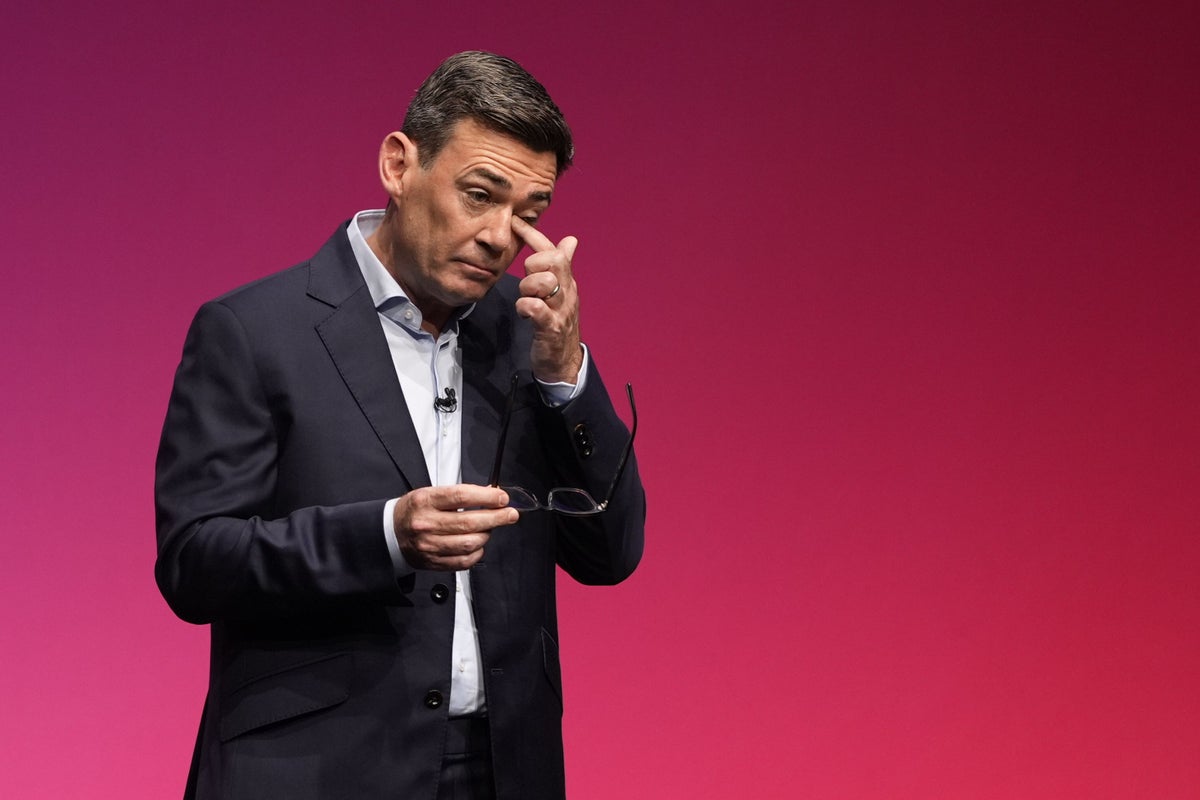
Remember Gazza crying at Italia 90? It was an extraordinary moment not just for British culture, but for masculinity as a whole. The lad, the joker, the midfield magician, suddenly overcome. Unable to contain himself, weeping openly on the pitch. It became embossed on British hearts.
Thirty-six years later, has Andy Burnham just had his own Gazza moment? His tears at this week’s Labour Party Conference have marked another dramatic shift in how men are permitted to show their emotion.
At a time when male leaders the world over aren’t exactly known for their emotional range beyond rage, how refreshing to see such humanity on display. A prime minister not just presenting himself as a leader, but also as a son. A grieving one, having lost his dad Roy two weeks before his speech. His passionate outpouring wasn’t lost on his audience either, with visible tears from Ed Miliband, whose mother had died earlier this year.
This feels like a significant step for modern leadership, and particularly for modern masculinity. But rather than be out of the ordinary like it was for Gazza in the laddish 90s, is this simply what men look like now?
The notion of guys being in touch with their emotions isn’t exactly a new one, Burnham hasn’t unwittingly invented emotional literacy. But he is a reflection of how much the dial has now shifted. We’re now accustomed to seeing it at sporting events, the joy of victory or the pain of defeat.
It was particularly rife at this year’s World Cup, when you could barely move for montages of men weeping in the stands. Ronaldo became highly emotional after Portugal's elimination by Spain, his final World Cup appearance and also cried during the tournament in connection with the death of former Portugal teammate Diogo Jota. But to see it on a political podium feels like going up another notch in what we’re culturally permitted to express. Particularly from a proud Northern man addressing those he has been tasked with showing strength and leadership to.
It’s a strange time for masculinity, which is always seemingly in flux. In the 1990s, when Burnham was in his twenties (and I too was coming of age), we entered a culture of laddishness, which, contrary to how it’s often viewed, was arguably a big step forward. It was an era that found men unshackled from outdated notions of stoicism, and painted them instead as anti-heroic, up for a laugh – the stereotype of the buttoned-up, emotionless British male becoming as much a symbol of the past as the ‘Empire’ that birthed him.
There were still some pretty hefty caveats back then, of course. It was a chance to be stupid, playful, ridiculous and vulnerable… but only in certain coded ways. Male emotion could be expressed through sport, or if a dog died in a film, or if you “had something in your eye”. You could probably cry at your own wedding, because that’s fine, weddings are supposed to be emotional. But to cry because you’re sad, or frightened, or overwhelmed, or even grieving, was something else entirely. A whole different kettle of cowboys.
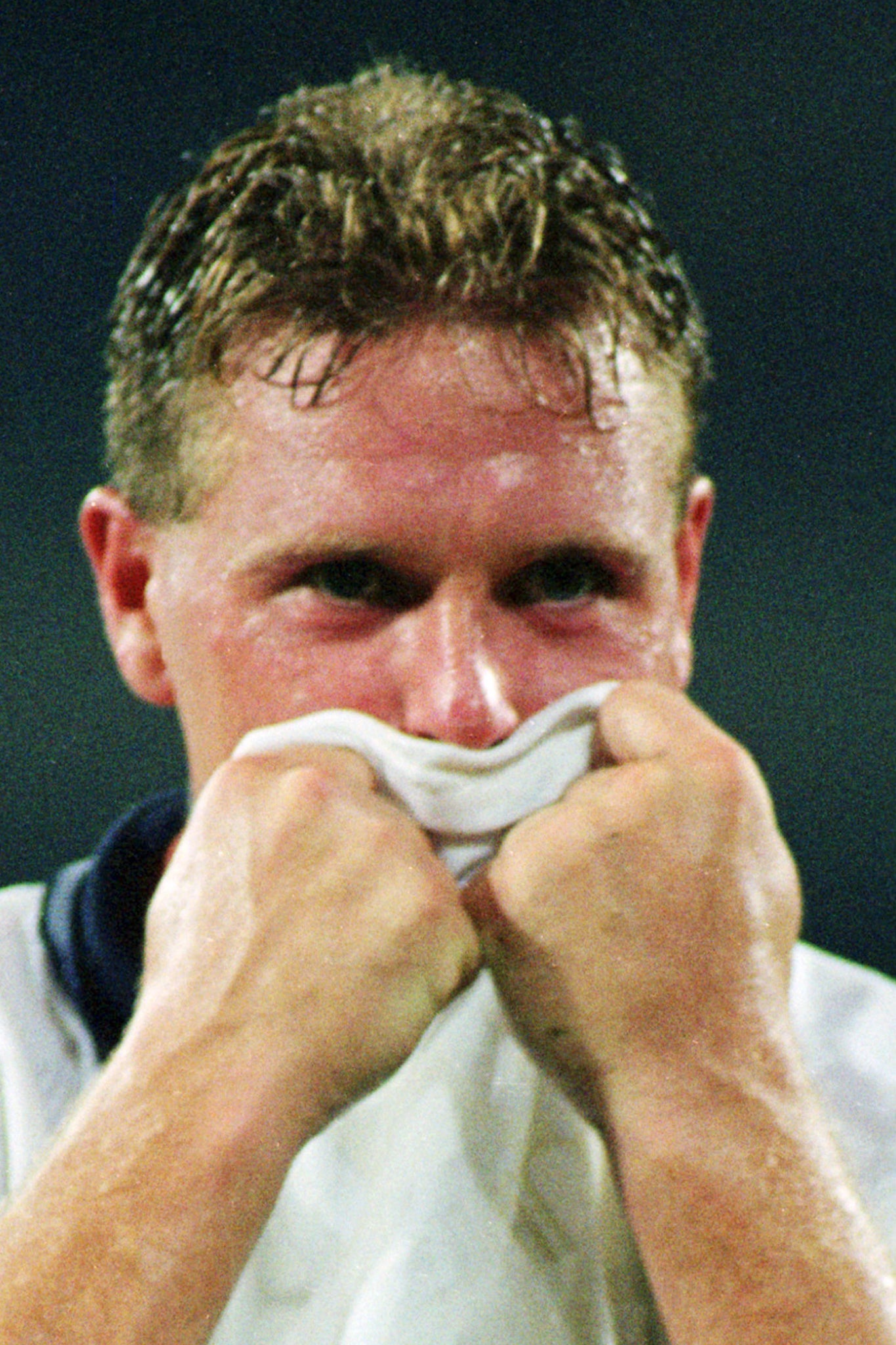
That’s why Burnham’s tears matter. It’s like they belong to a particular cultural lineage. Gazza provided us with one such moment of evolution; Burnham may have just provided another. Because this wasn’t a man crying because he’d just won something, or had something taken away, this was a political leader standing at a lectern being moved to tears about his upbringing and what his dad had meant to him.
We often forget how men are also harmed by the patriarchy; it’s not that we were told not to feel things growing up necessarily, more that we were taught not to make too much of them. It's literally taken years to get to this point, to find ourselves fully letting our guard down. In my case, it took the suicide of a close friend a few years ago to fully recognise the importance of being emotionally open, particularly with other men. Until that point, like many men, the job was to keep complex emotions mostly under wraps, to show no weakness. That's not what being a person is… it's certainly not what being a man is either.
At a time when we urgently need to steer the next generation away from a toxic manosphere, when boys are being offered competing models of masculinity, to have someone expressing emotional honesty as a show of strength feels hugely important. Gazza’s tears told a generation of boys it was alright to cry about football. Burnham’s tells the next one it’s alright to cry about their dad. It might just be the most important thing he says all year.
KioskNews shows a cleaned-up reading view extracted from the publisher’s page — the original always lives on their site, not ours.