‘Stateless’ Gujarat woman recognised as Indian by descent, gets passport after 26 years
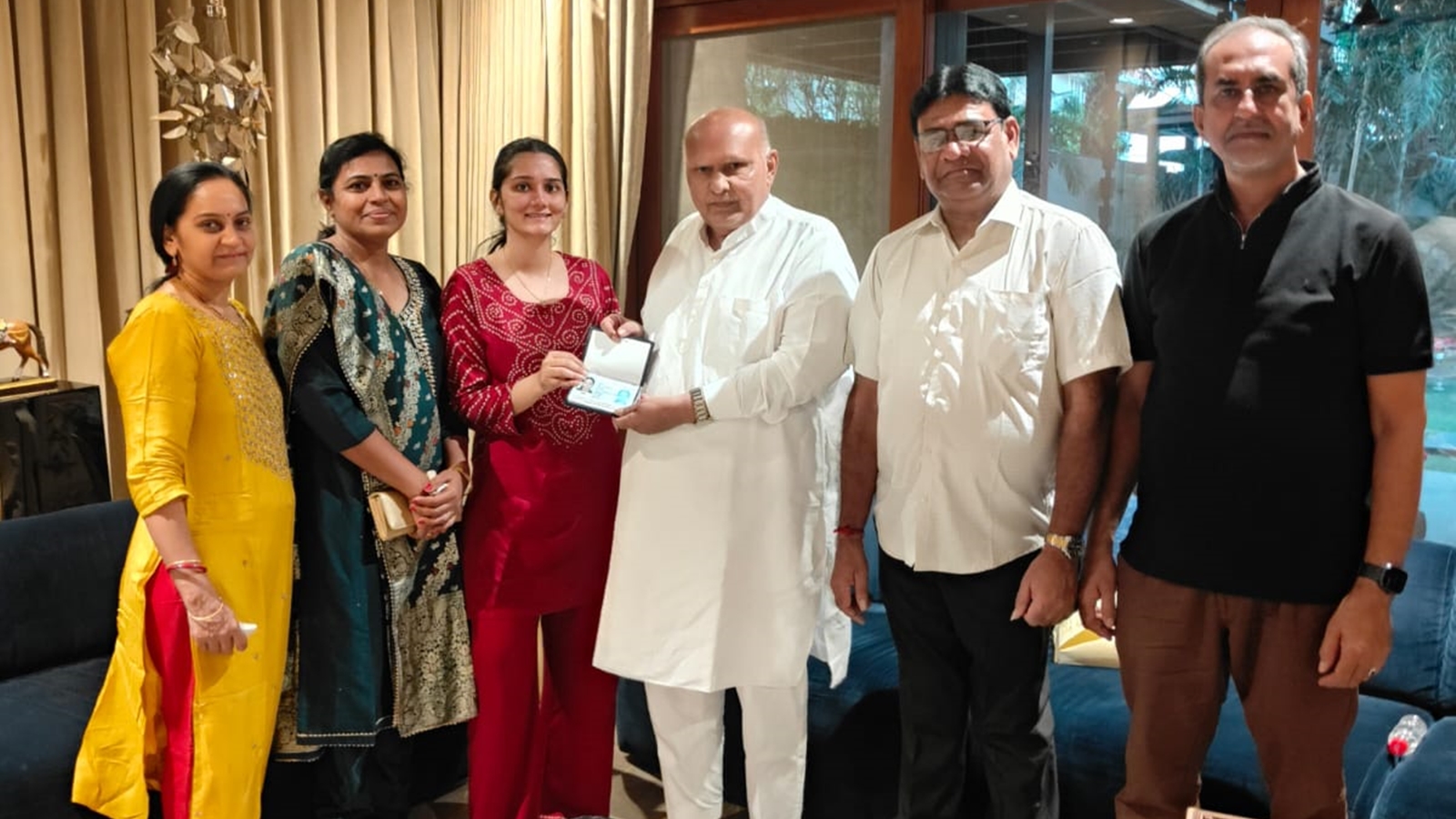
On November 11, three days after Diwali, Dolly Vadalia received the best gift of her life, one that she had wanted literally all her life.
The 26-year-old woman, the child of Indian parents who has lived in India since she was 18 days old, received her Indian passport at last.
Only six months earlier, the Gujarat High Court had passed an order that had dealt a severe blow to her, and sent her into an orbit of potential statelessness.
On April 30, a single judge Bench of the court ruled that Dolly Vadalia, who was Dolly Baria before she got married, was “not an Indian citizen by birth or by descent as per the Citizenship Act, 1955”.
Therefore, the court said, she must apply for Indian citizenship.
This put Dolly in a Catch-22 situation: to proceed with the online process to apply for Indian citizenship, she was required to surrender her existing citizenship of a foreign country – which she did not have, and therefore could not surrender.
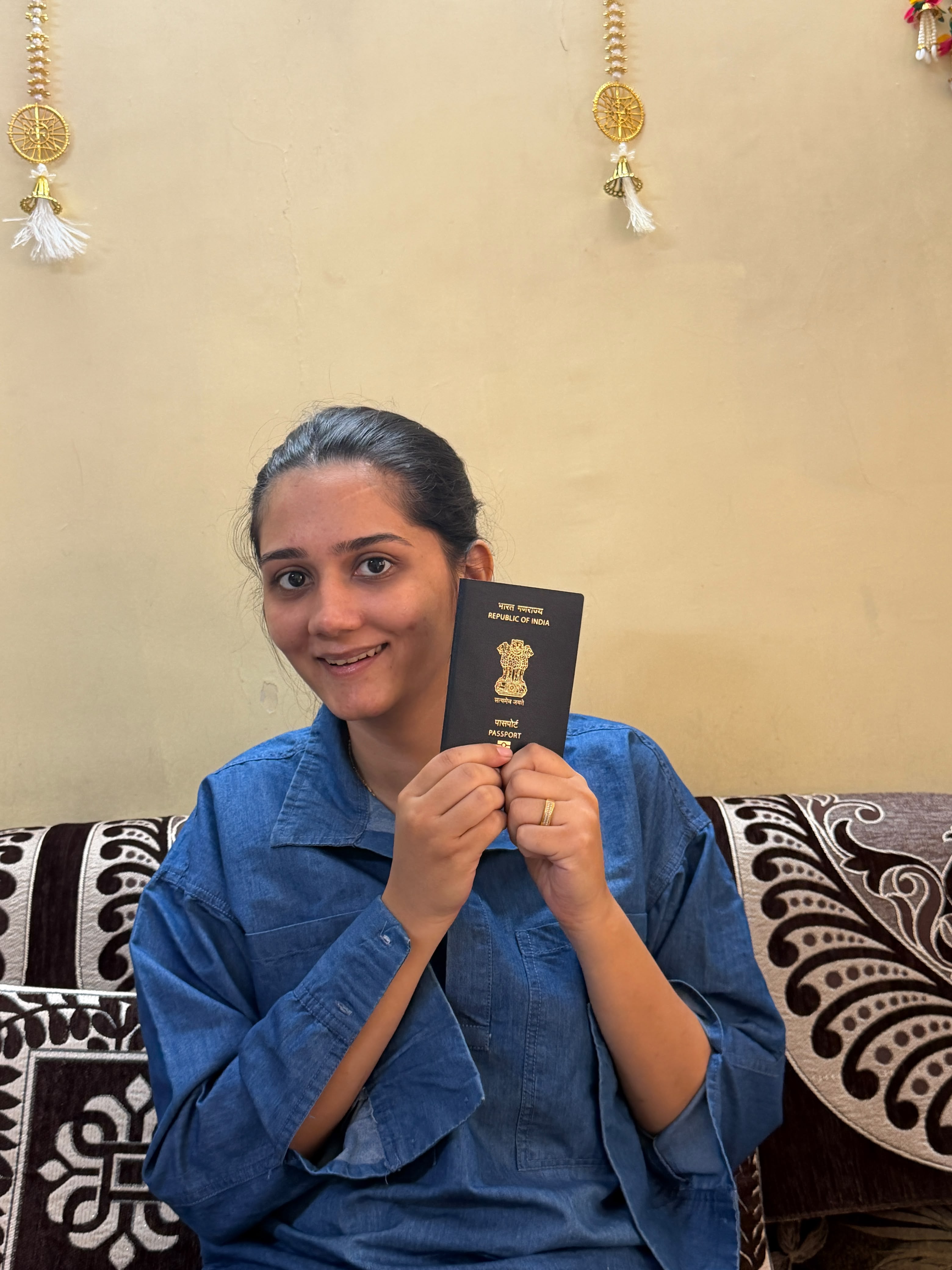 Dolly Vadalia, 26, is a trained dietitian who was born in Xai-Xai, Mozambique, but whose family was forced to leave the African country after a devastating and unexpected natural disaster in 2000. (Express Photo)
Dolly, who lives with her family in Rajkot, appealed the order, but the hearing before the two-judge Division Bench of the High Court on October 5 was adjourned.
Story continues below this ad
But now, when the court resumes on November 23 after its annual Diwali vacation, Dolly will withdraw the appeal.
The arrival of her passport in the mail on November 11 was the culmination of Dolly’s three-year journey through the labyrinthine processes of the Indian bureaucracy and judiciary to be recognised as a citizen of India – a success that she said she owes to the intervention of several senior BJP leaders.
“I am very happy. I have finally got my passport, which I felt would be impossible at one point,” she told The Indian Express.
The passport is also Dolly’s path to personal happiness – she can at last travel to be with her husband, Khilan Vadalia, who works in Calgary, Canada. “At last, we will be able to start our normal household life together,” she said.
Story continues below this ad
Dolly’s story began even before she was born – when her parents, Ketan and Aarti Baria, migrated to the city of Xai-Xai in the southern Gaza province of the southern African country of Mozambique in 1995. They started a wholesale grocery business, partnering with a cousin who was already settled in Mozambique.
On February 18, 2000, Dolly was born. The very next day, Mozambique was hit by the full force of a once-in-a-century natural disaster.
Tropical Cyclone Leon-Eline, the second-longest lived cyclone in the Indian Ocean, dumped unheard-of quantities of rain on the country, and caused catastrophic floods that killed at least 800 humans and 20,000 heads of cattle, and swallowed the Barias’ home and business.
Dolly was 18 days old when she was eventually evacuated along with her parents by helicopter to Maputo, the capital of the country, about 210 km away. The government issued the infant an Emergency Certificate, and the family returned to India.
Story continues below this ad
They would never go back to Mozambique – and that was where the trouble began.
Under Section 4(1) of the Citizenship Act, 1955, the birth of every child born abroad must be registered with the Indian consulate within a year of birth; only then does the child qualify to become a citizen of India. and eligible for an Indian passport.
But since Dolly’s parents never went back to Mozambique, they could never inform the Indian High Commission in Maputo of Dolly’s birth, leaving her nationality in limbo. The Centre had cited this provision of the law while arguing against Dolly’s original petition in the High Court.
In effect, this meant that Dolly, a trained dietician with a Master’s degree from an Indian university, who has an Aadhaar, PAN, and a voter’s identity card and has voted in local body elections, could not apply for a passport.
Story continues below this ad
A person can apply to be a citizen of India under seven categories. However, the first requirement for the application is a “copy of a valid foreign passport”.
“Without this requirement being fulfilled in the online registration system, the system does not allow the user to proceed to the next step, effectively ending the process even before it has begun,” Dolly’s father Ketan Hasmukhrai Baria had told The Indian Express earlier this year.
For more than three years, the Barias and Dolly’s in-laws, the Vadalias, ran from pillar to post, knocking on the doors of the bureaucracy and the judiciary to try to find a way for her to get an Indian passport so she could travel to Canada to be with her husband.
But nothing seemed to work out.
Finally, the two families approached Ramesh Dhaduk, vice president of the Gujarat BJP and the former Lok Sabha MP for Porbandar, and Parshottam Rupala, the BJP MP from Rajkot.
Story continues below this ad
“We approached Rameshbhai and Parshottambhai, who asked us to send them all the documents. They forwarded these papers with their reference to various ministries until it reached the Ministry of Home Affairs. We were then asked to send an offline application to the office of Home Minister Amit Shah. Thereafter, officials came to our home to conduct a verification process and found everything in order,” Dolly’s brother-in-law Ronak told The Indian Express.
Following this, the Citizenship Wing of the Foreigners Division of the MHA issued an Office Memorandum to the Ministry of External Affairs (MEA) and the Indian High Commission in Mozambique on October 3, 2026, stating that the competent authority had, in light of a June 18 letter received from Dhaduk and Rupala, decided to register the birth of Dolly Vadalia as an Indian Citizen “under section 4(2) of the Citizenship Act, 1955, read with rule 11 of the Citizens (Registration at Indian Consulates) Rules, 1956”.
On October 21, the Indian High Commission in Maputo retrospectively issued a “Certificate of Birth of an Indian Citizen – birth within the Consular jurisdiction of the High Commission of India at Maputo” for Dolly.
Ramesh Dhaduk told The Indian Express, “The family has gone through a lot trying to get Dolly the citizenship and passport. There were tears in their eyes when they came to meet me a couple of days ago. With the blessings of Ambe Ma, they were able to get the passport. We wrote several emails and letters… The file was rejected several times but we managed to follow up, and with help from the office of Amitbhai Shah, managed to get her birth registered.”
Story continues below this ad
Dolly said, “Until I got the passport in my hand, I did not believe that it would be possible. I had been disappointed so many times that I was afraid to be happy until the process was completed.”
KioskNews shows a cleaned-up reading view extracted from the publisher’s page — the original always lives on their site, not ours.