Netanyahu’s party claims election ‘stolen’ as results show him losing majority

The count is complete, but the results still need to be certified and submitted to the country’s president next Wednesday.
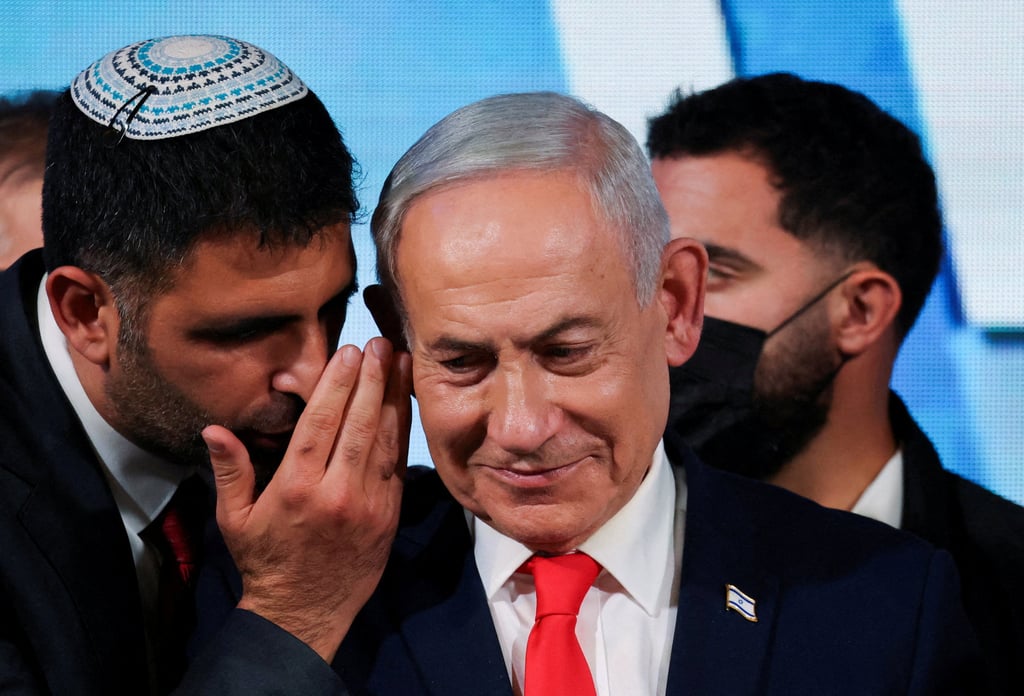
Netanyahu’s party, Likud, has been spreading claims of wrongdoing by Arab-led parties since exit polls indicated the prime minister had suffered a setback in Tuesday’s vote.
But it ramped up the rhetoric after the head of Israel’s election committee, Supreme Court Justice Noam Sohlberg, said that “serious suspicions” of foreign interference had been brought before him.
In a letter to the Shin Bet security agency, Sohlberg said he could not verify the claims. But given their serious nature, he asked the agency to investigate.
Netanyahu’s party responded with an inflammatory statement: “The elections in Israel have been stolen!” it said, claiming – without evidence – that the alleged election interference was “aimed at facilitating a foreign takeover of the Knesset, the Islamisation of Israel and toppling of the right-wing government”.
Israeli media reported that members of Netanyahu’s party were accusing Qatar – a country that many Israelis view as a patron of Hamas, the Gaza-based militant group.
Qatar issued a quick denial, calling the allegations “ridiculous and dangerous”.
As it announced its results early on Wednesday, the election commission said the investigation was based on classified intelligence. It did not elaborate but warned of “unfounded” reports surrounding the probe.
“It does not affect the final results that will be submitted to the president, nor does it concern any particular sector of the population,” it said.
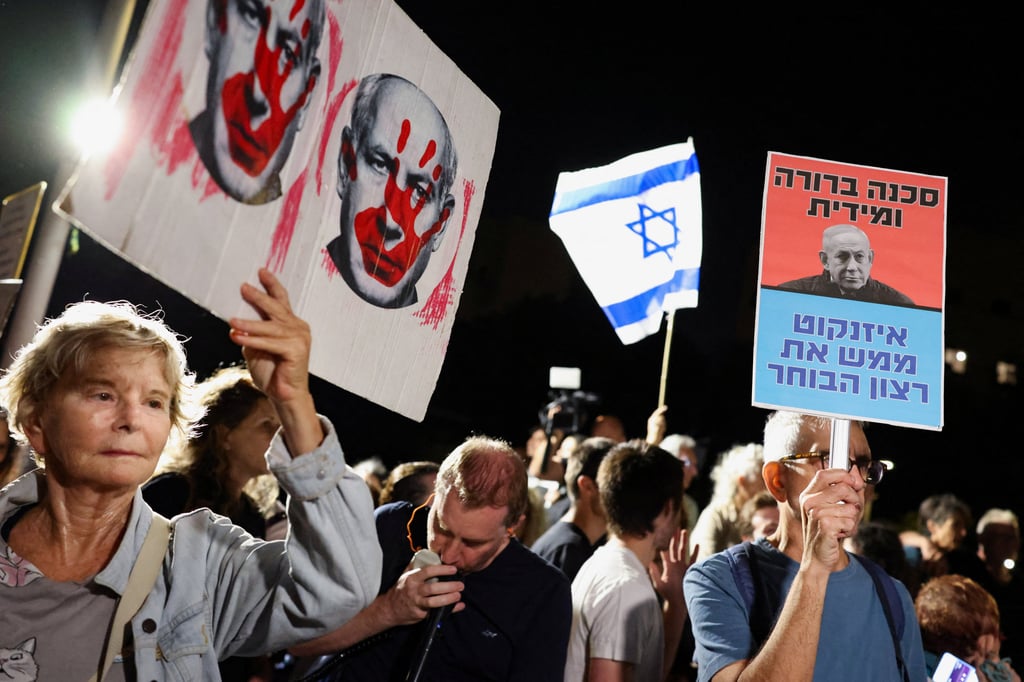
Netanyahu’s main rival, former military chief Gadi Eisenkot, said Likud was trying to delegitimise the results. “They are doing this because they lost,” he said.
Eisenkot ridiculed the accusation of foreign interference with a tongue-in-cheek statement, saying: “I welcome the fact that Netanyahu is finally condemning Qatari involvement in the State of Israel.”
Netanyahu has long faced accusations that former top aides of his accepted money from Qatar.
By casting doubt on the vote, Netanyahu appeared to be positioning himself to block any potential alliance between his opponents and the Arab parties. Netanyahu has suggested that it would be treasonous for Eisenkot to join with Arab parties.
The projected outcome of the results was expected to show both Netanyahu’s bloc of religious and nationalist allies and his more secular and socially liberal opponents falling short of a parliamentary majority required to form a new government.
The Arab parties would hold the remaining seats and could potentially give Eisenkot the backing he needs to oust Netanyahu.
The Shin Bet, seeking to calm tensions, said its investigation was not meant to “cast aspersions” on an entire section of the population that “exercised its right to vote in a democratic and lawful manner”.
The elections committee also sounded a note of caution in a letter written to a concerned member of parliament. It said that even though an investigation was taking place, “allegations of systematic violations of electoral integrity are baseless”.
The committee wants findings from the Shin Bet within the week. Israeli law requires election results to be certified by November 4.

Even ahead of the vote, Netanyahu and Likud painted the Arab-led parties as a danger to Israel, which critics called an attempt to further marginalise Arab citizens.
Arab citizens of Palestinian descent make up 20 per cent of the population but are often viewed with suspicion because of their sympathies with other Palestinians.
Those campaign attacks, along with anger over the divisive Netanyahu and his far-right government, brought outraged Arabs to the polls like never before.
On Thursday, Yair Golan, head of the Democrats party, accused Netanyahu of “attempting to undermine the election results through an ugly delegitimisation campaign directed against the will of the public – and against the Arab public in particular”.
“Netanyahu is working to steal the election,” the Arab-led Joint List party asserted on Thursday.
The head of the Arab-led Ra’am party, Mansour Abbas, welcomed the investigation into election interference and said his party had nothing to do with the case, while accusing Netanyahu of a campaign of incitement.
President Isaac Herzog called it a “sensitive moment” and called for a full investigation. He warned that “we must not tarnish an entire community that sought to exercise its right to vote and take an active part in democracy”.
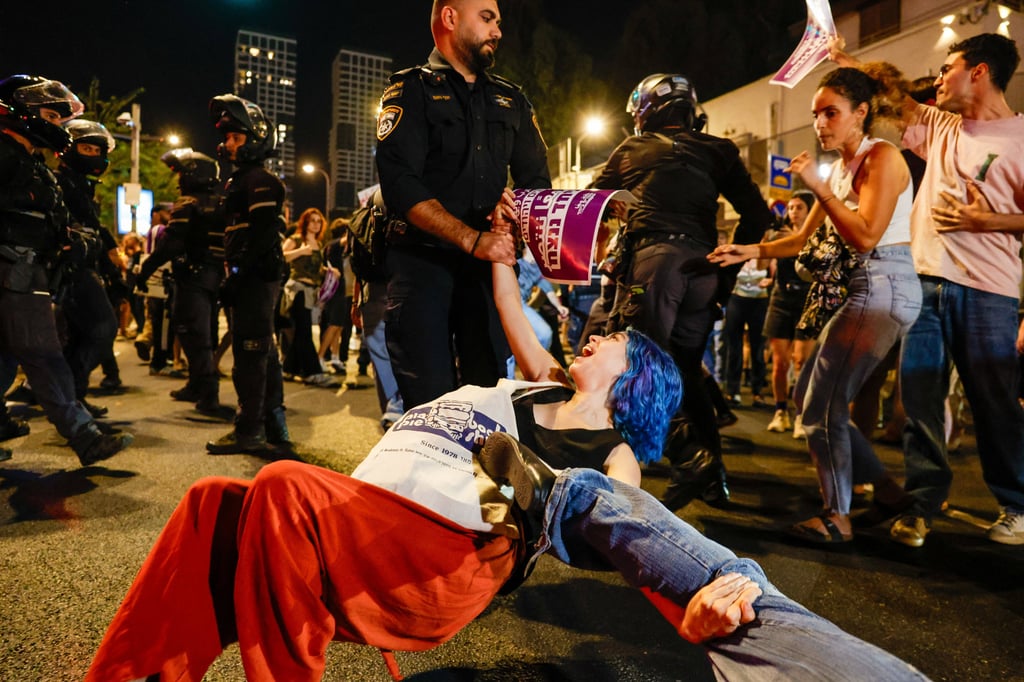
The developments amplified the difficult decisions for the weeks ahead. Those include whether some Jewish and Arab parties would team up in a historic alliance, or whether some parties that campaigned on ousting Netanyahu would toss that aside and join forces with him.
While the race for a 61-seat majority needed to control the 120-seat Knesset plays out, Netanyahu remains in charge.
If Netanyahu loses office, that would set off a cascade of events that critics say he has desperately sought to avoid.
He would be taken to account over years-long corruption allegations, and an inquiry almost certainly would begin into the security failures that led to the devastating Hamas-led October 7, 2023, attack.
Even without a role in a coalition, Arab-led parties could assert their growing power by supporting other Netanyahu opponents in the next parliament.
That could include electing a new speaker, giving them control of the agenda and potentially allowing them to advance and pass legislation before a new government is formed.
Eisenkot has indicated he is open, with conditions, to joining forces with the Arab-led parties.
Ahmad Tibi, second on the Arab-led Joint List, told Army Radio the opposition bloc reached out to him to discuss replacing the Knesset speaker, and he told them the party would support the bloc’s candidate.
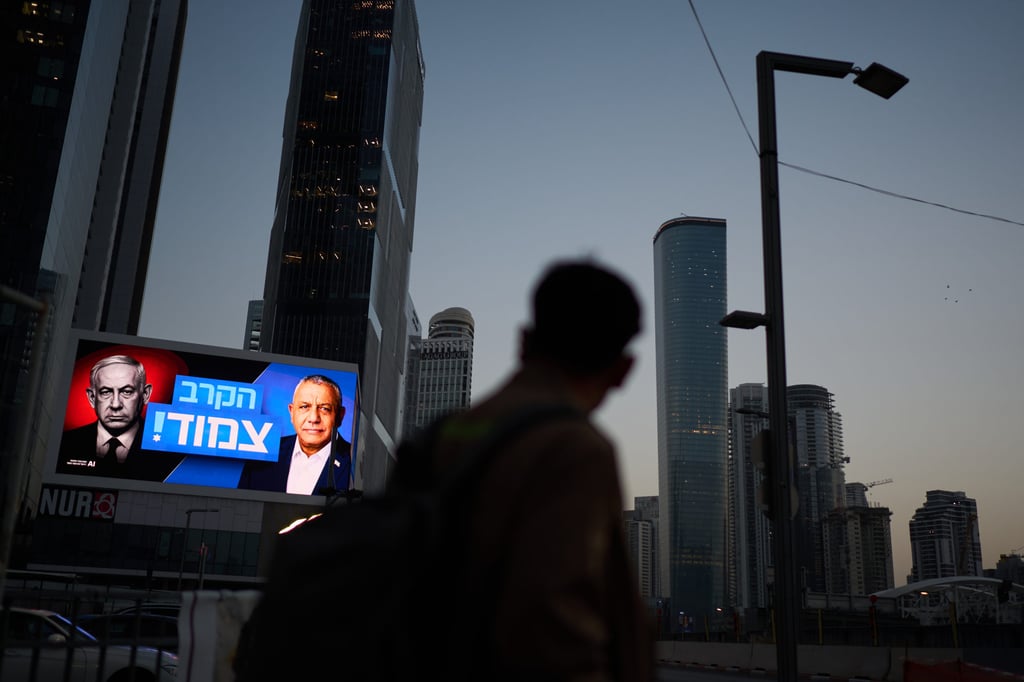
There were small rallies overnight in Tel Aviv, and in far more conservative Jerusalem, in support of a coalition that includes Arab-led parties.
Until 2021, no Arab party had joined a coalition government, and that was brief.
If a new government cannot be formed after multiple attempts, Israel would face a new election early next year.
On Wednesday, Herzog signalled he wanted to avoid that step – something Eisenkot has said as well.
New elections bring new questions, including whether Arab citizens would again go to the polls in large numbers and whether the tens of thousands of Israelis who flew home to vote would do it again.
Many had said they took that step to save the country from Netanyahu.
KioskNews shows a cleaned-up reading view extracted from the publisher’s page — the original always lives on their site, not ours.