Indonesia doubles down on climate goals despite surging wildfire emissions
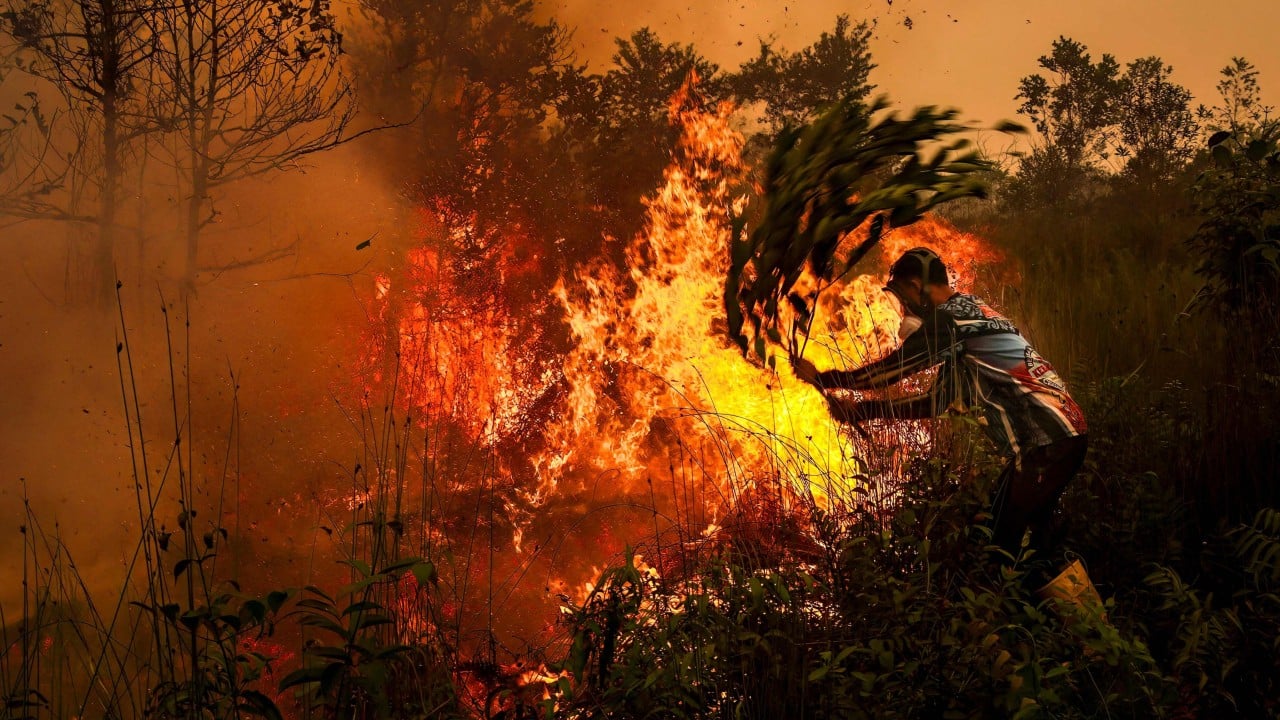
Indonesia’s climate ambitions are being undermined by devastating wildfires that contradict its emissions-cutting strategy, casting a shadow over Jakarta’s push for a greener economy ahead of the 31st UN Climate Change Conference (Cop31).
However, Environment Minister Jumhur Hidayat has doubled down, arguing that his country’s climate goals should not come at the expense of national development and that emissions reduction efforts must be fair.
On Wednesday, he outlined six priority areas for Indonesia’s negotiations, The Jakarta Post reported. The priorities include promoting a just energy transition, expanding access to international climate financing, energy affordability, workers’ welfare and protection of local communities.
“We also oppose unilateral measures that disadvantage developing countries,” Jumhur said at a press conference.
Cop31, which runs from November 9 to 20 in Turkey, will seek to accelerate the 2015 Paris Agreement, where the world pledged to limit global warming to 1.5 degrees Celsius above pre-industrial levels.
However, a UN Environment Programme report released on October 21 warned this limit could be breached over the coming year and called for a “massive global scale-up” of emission cuts.
The report urged the world to cut emissions by 18 per cent by 2030, 45 per cent by 2035 and 69 per cent by 2040 for the global temperature rise to remain below 1.5 degrees by the end of the century.
Jumhur said his outlined priorities aligned with Indonesia’s commitment under the Paris Agreement, as laid out in its Second Nationally Determined Contribution (SNDC) – Indonesia’s commitment to the Paris Agreement – submitted to the UN Framework Convention on Climate Change in late October.
According to the SNDC, a key component of Indonesia’s climate strategy is reducing emissions from the Forestry and Other Land Use (FOLU) sector, such as by preventing forest and pest fires. The country pledged to cut roughly 32 per cent of emissions through domestic efforts.
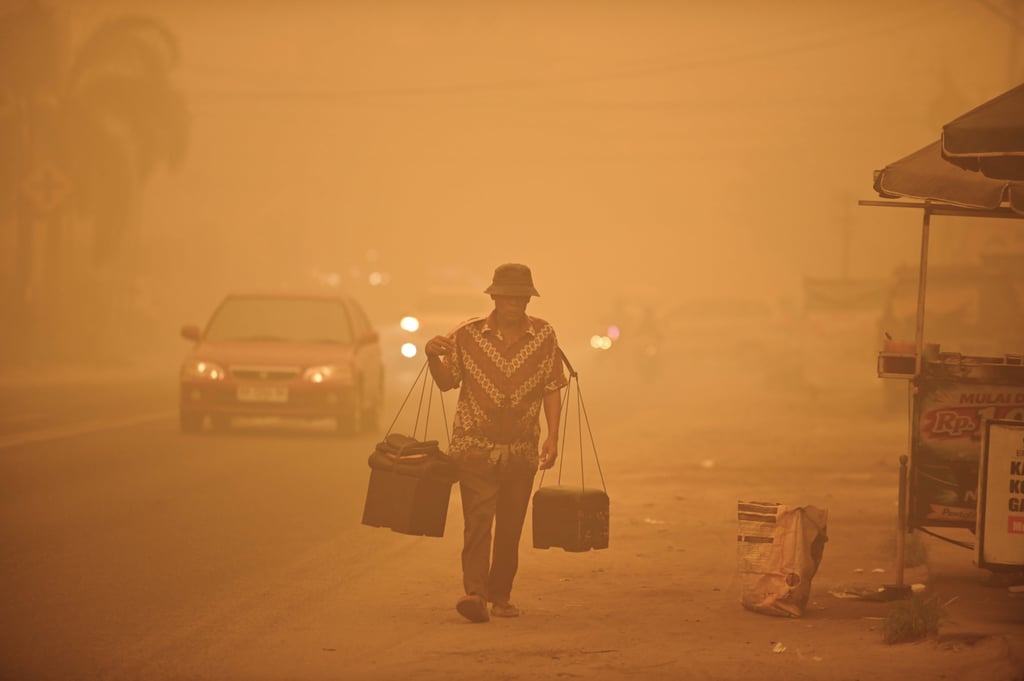
However, this strategy faces a major test as wildfires across Kalimantan, Sumatra and Borneo continue to release large amounts of emissions, threatening to undermine Indonesia’s emissions-cut commitments.
According to the Copernicus Atmosphere Monitoring Service, Indonesia’s fire carbon emissions for 2026 reached 195.67 megatonnes as of Wednesday, accounting for nearly one-third of the world’s total and making it the globe’s largest fire carbon emitter.
The hidden reason why Indonesia’s fires are so hard to put out
Eddy Soeparno, deputy speaker of the People’s Consultative Assembly, said his country would use Cop31 to reaffirm energy transition as a cornerstone of its development agenda.
Soeparno said the energy transition could help Indonesia pursue its 8 per cent economic growth goal while building a greener and more sustainable economy.
Indonesia is still heavily reliant on fossil fuels, with renewable energy accounting for just 17.89 per cent of the energy mix as of April, according to The Jakarta Post.
In March, President Prabowo Subianto committed to building 100 gigawatts of solar capacity by 2029 to accelerate Indonesia’s energy transition. Prabowo inaugurated 14 new solar plants in August with a combined capacity of 5.3GW, according to Reuters.
However, independent green non-profit Climate Action Tracker ranked Indonesia’s climate policies as “critically insufficient”, noting that its “ambitious renewable energy announcements stand in growing tension with policies that continue to favour fossil fuel expansion”.
It added: “Recent forest fires across the country showed how repeated burning in concessions and peatlands, intensified by El Nino, can generate large emissions and expose persistent governance gaps around land clearing and peatland protection.”
In a press release on Tuesday, the Indonesian Forum for the Environment NGO called for Jakarta to offer more recognition, financial support and technology transfer for farmers, indigenous peoples and local communities – who are at the forefront of protecting forests – instead of merely pushing forward administrative emission reduction targets.
KioskNews shows a cleaned-up reading view extracted from the publisher’s page — the original always lives on their site, not ours.