The 10 Best Books of All Time, According to Goodreads

Luc Haasbroek is a writer and videographer from Durban, South Africa. He has been writing professionally about pop culture for eight years. Luc's areas of interest are broad: he's just as passionate about psychology and history as he is about movies and TV. He's especially drawn to the places where these topics overlap.
Luc is also an avid producer of video essays and looks forward to expanding his writing career. When not writing, he can be found hiking, playing Dungeons & Dragons, hanging out with his cats, and doing deep dives on whatever topic happens to have captured his interest that week.
Sign in to your Collider account
Trying to determine the best books ever written is an almost comically impossible task. Literature stretches across thousands of years and countless genres, and readers' tastes are inherently subjective. Goodreads at least offers one way of approaching the question: ask an enormous community of readers.
The titles below are the highest-rated books on the site, their scores determined by hundreds of thousands of user votes. Unsurprisingly, fantasy and YA bestsellers perform particularly well on Goodreads, alongside several classics that have remained popular across generations.
10 'The Fault in Our Stars' (2012)
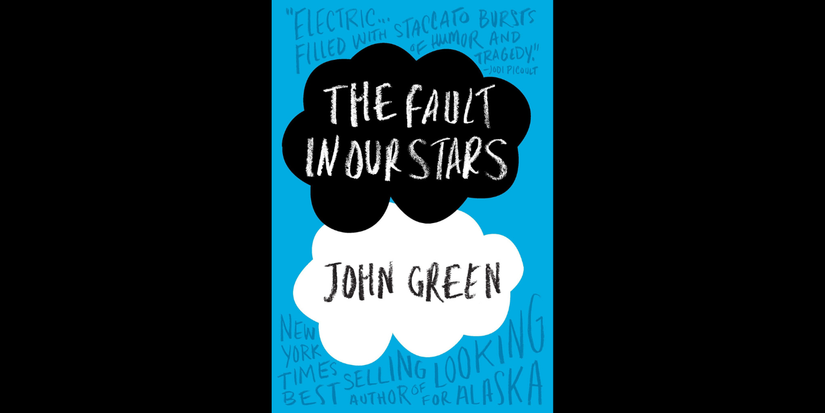
"Some infinities are bigger than other infinities." Although Looking for Alaska is arguably better, no John Green book has resonated with the culture more than The Fault in Our Stars. Sixteen-year-old Hazel Grace Lancaster has thyroid cancer that has spread to her lungs, leaving her dependent on supplemental oxygen and understandably unimpressed by the platitudes surrounding illness. At a cancer support group, she meets Augustus Waters, a charismatic teenager whose osteosarcoma has already claimed one of his legs. Their friendship quickly develops into something deeper.
The book became a phenomenon partly because it allows Hazel and Augustus to be funny, pretentious, irritating, romantic, frightened, and occasionally ridiculous rather than reducing them to inspirational symbols. Both know that mortality isn't an abstract future problem, and their awareness gives seemingly ordinary experiences unusual urgency. It's a beautiful, intelligent, heartbreaking story, rendered in accessible prose.
9 'The Chronicles of Narnia' (1950–1956)
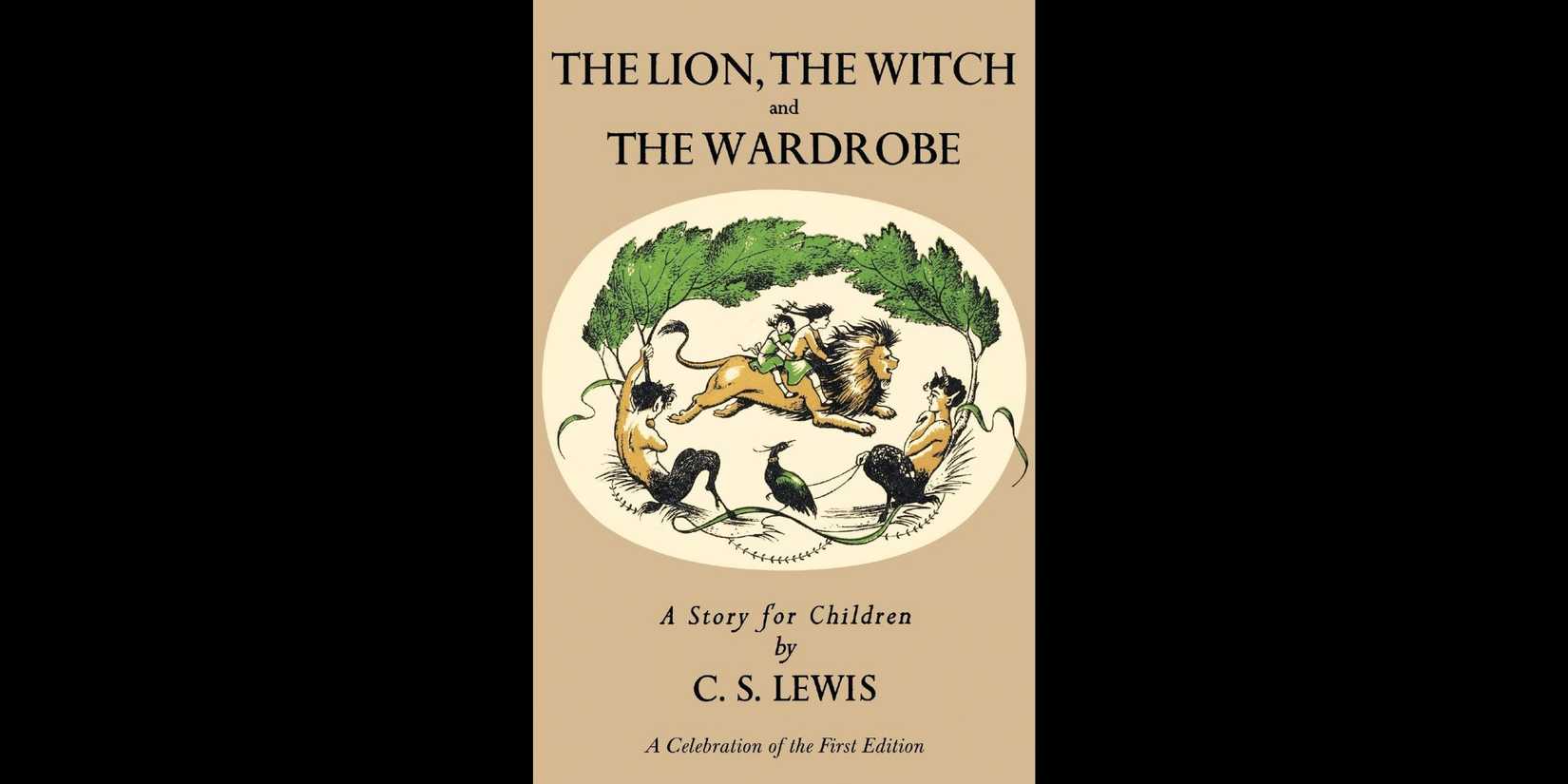
"Once a king or queen of Narnia, always a king or queen of Narnia." The users of Goodreads have rated the Narnia books as a single volume and, taken together, these books do add up to a fantasy landmark. A wardrobe door opens, and suddenly an entire world appears. The series begins with The Lion, the Witch and the Wardrobe and eventually expands across centuries of Narnian history. Children from our world repeatedly find themselves transported into a land of talking animals, witches, giants, fauns, dwarfs, enchanted forests, and the great lion Aslan.
The books have remained children's fantasy staples because Lewis makes entering Narnia feel wonderfully easy. There is little of the dense exposition associated with some epic fantasy. Narnia feels simultaneously enormous and accessible, whimsical and intimidating, capable of containing grand wars between good and evil alongside tea with a faun. Not for nothing, it has charmed readers for generations.
8 'J.R.R. Tolkien 4-Book Boxed Set: The Hobbit and The Lord of the Rings' (2012)
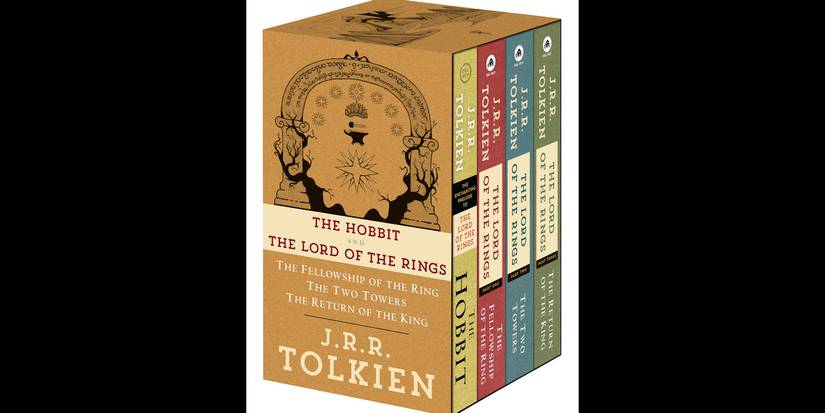
"In a hole in the ground there lived a hobbit." The users have also rated The Hobbit and The Lord of the Rings together as a boxed set and, understandably, it gets high marks, with an average score of 4.62 out of 5 across more than 147, 000 ratings. Needless to say, these books combined form the center point of modern fantasy, the classic without which the genre's other classics would not exist.
Together, they take readers from Bilbo Baggins' unexpected adventure all the way to the War of the Ring and the final struggle against Sauron. The series begins as a punchy, brisk children's story, and expands into a modern myth, Shakespearean in its sound and fury. Yet all that grandeur remains anchored in remarkably humble heroes. Hobbits enjoy food, gardens, comfortable homes, and good company; precisely because they aren't conventional warriors, their courage carries weight.
7 'Animal Farm' (1945)
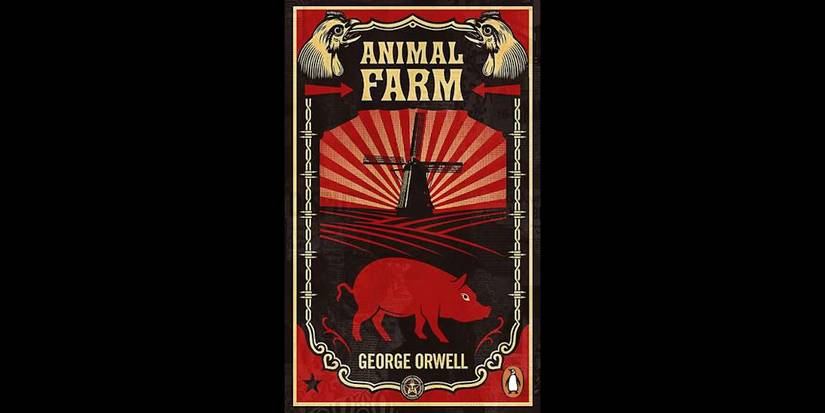
"All animals are equal, but some animals are more equal than others." One of the most withering political satires ever written. In it, the animals of Manor Farm, inspired by the ideas of the old boar Major, revolt against their human owner Mr. Jones and establish a society supposedly founded upon equality. For a moment, the revolution appears to have succeeded. Then the pigs begin accumulating power, and the distinction between liberation and oppression becomes increasingly difficult to see.
George Orwell's allegory draws heavily upon the Russian Revolution and the rise of Stalinism, with Napoleon and Snowball representing competing revolutionary forces. Yet Animal Farm has survived because its observations about political power extend beyond the specific historical circumstances that inspired it. Indeed, the book warns us about universal and eternal human tendencies, neatly packaged within a short, economical, hard-hitting story and clear prose.
6 'Twilight' (2005)
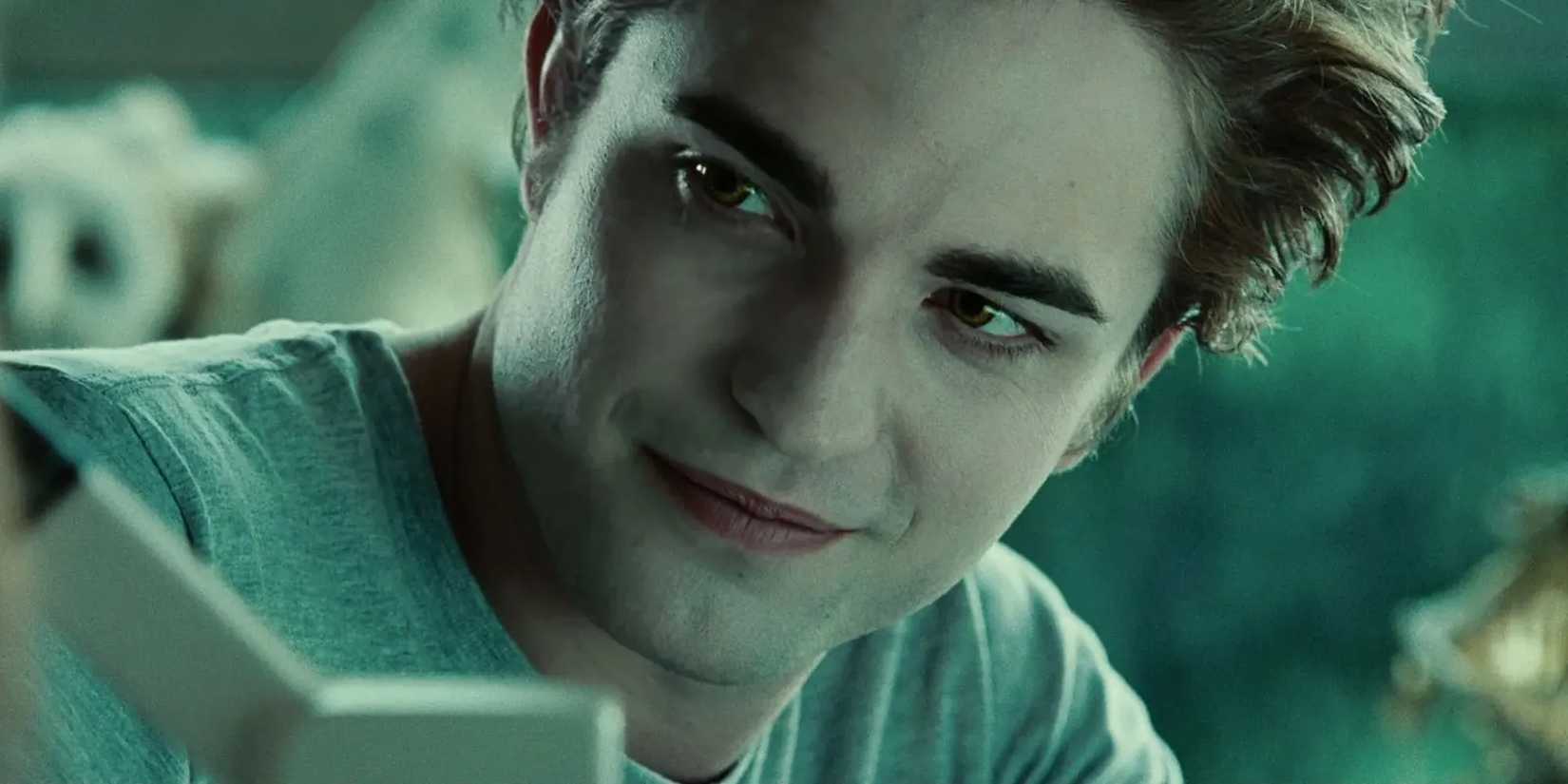
"And so the lion fell in love with the lamb." Ok, here's where some readers will start balking at the list. After all, these titles are based on Goodreads' popularity ranking, not the Pulitzer Prize Board. While many people love to hate Twilight, there's no denying the grip it had on pop culture in the mid to late 2000s. The setup is famously the world-over: teenage Bella Swan moves from sunny Arizona to the perpetually overcast town of Forks, Washington, where she crosses paths with the mysterious Edward Cullen.
He's strangely pale, unusually strong, impossibly attractive, and, of course, a vampire. This sets up a Gothic romance saga that riffs on bloodsucker tropes in some fresh ways (not all of them good) while serving up an endless stream of drama, jealousy, danger, obstacles, and sexual tension. This recipe spawned a legion of copycats, not least Fifty Shades of Grey.
5 'The Book Thief' (2005)
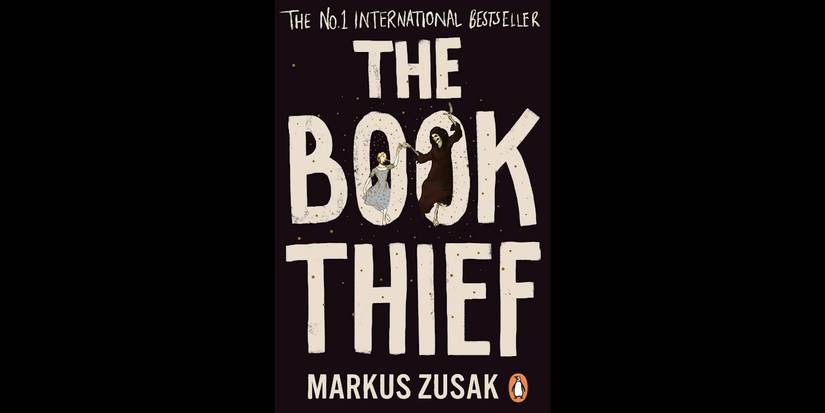
"I have hated words and I have loved them, and I hope I have made them right." A novel set in Nazi Germany and narrated by Death sounds almost guaranteed to be relentlessly bleak. Yet, while there is tragedy in The Book Thief, there's also warmth and color and hope, all of it animated by gorgeous writing and striking metaphors. The main character is Liesel, a young girl who befriends the Jewish man hiding in her foster parents' basement.
You can tell that the prose was crafted with care. Practically every page here contains some kind of gem. The book also delivers in terms of its themes. Although it's a frank novel about terrible historical events, The Book Thief ultimately places enormous faith in small acts of kindness, and in the strange power words possess to both destroy and save.
4 'Harry Potter and the Order of the Phoenix' (2003)
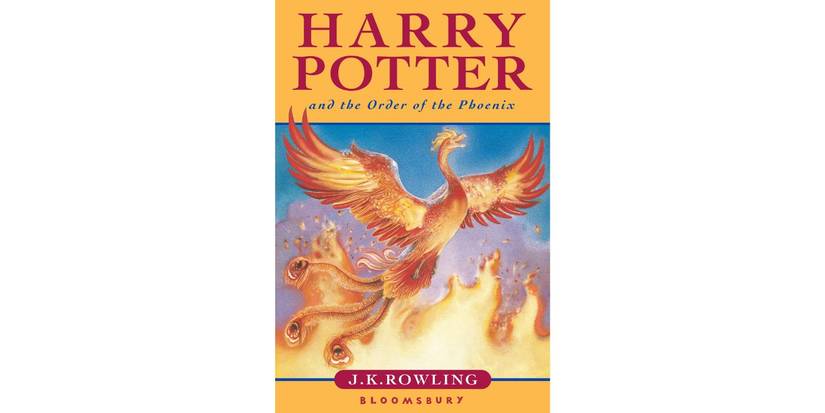
"Things we lose have a way of coming back to us in the end, if not always in the way we expect." Few book series inspire as much fan devotion as Harry Potter, so it's no surprise that one of its installments made Goodreads' Top 10. The fifth novel is the longest one (almost 800 pages!), full of key plot moments as well as a lot of filler (though the meandering subplots are also what some readers love about it).
Order of the Phoenix also gets fairly dark. It begins with Harry isolated, angry, and traumatized by Voldemort's return, only to discover that much of the wizarding world refuses to believe what he witnessed. Hogwarts itself soon comes under the influence of Dolores Umbridge, whose sugary politeness conceals an authoritarian personality. Fascinatingly, the real villain here isn't Voldemort himself so much as the people in denial about him.
3 'To Kill a Mockingbird' (1960)
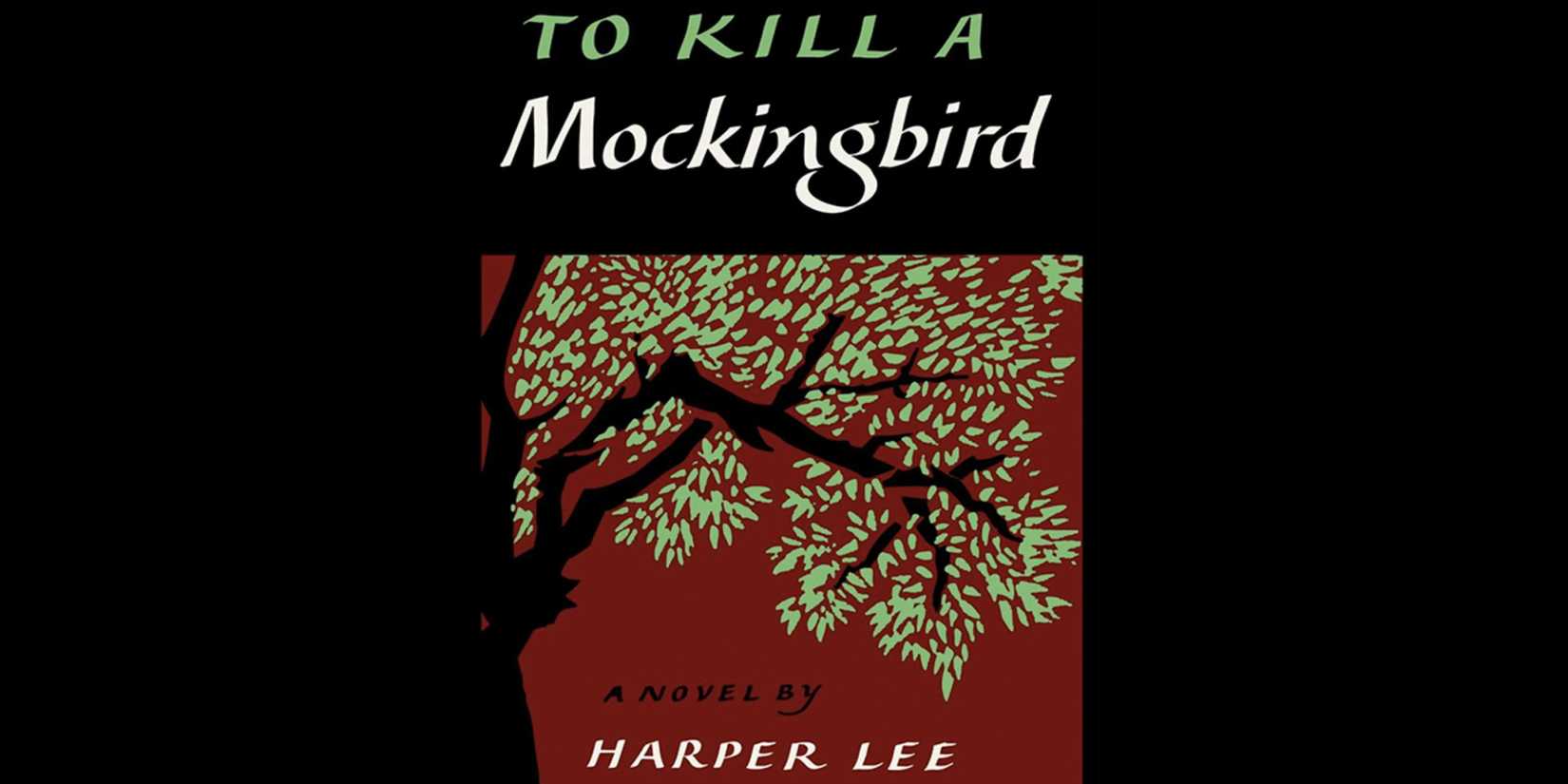
"You never really understand a person until you consider things from his point of view." This one is a genuine classic, firmly embedded in pop culture and taught in schools across the globe. Narrated by Scout Finch, To Kill a Mockingbird recalls her childhood in the fictional Alabama town of Maycomb during the Great Depression. Her early concerns involve her brother Jem, their friend Dill, school, neighbors, and their fascination with the reclusive Boo Radley. Gradually, however, the adult world's ugliness becomes impossible to ignore.
Scout's father, lawyer Atticus Finch, is appointed to defend Tom Robinson, a Black man falsely accused of raping a white woman. The case exposes Scout and Jem to the racism that pervades their community, while also giving us a moral exemplar for the ages in Atticus himself. He's a truly inspiring character, a man of justice and empathy, decent and unshakable.
2 'Pride and Prejudice' (1813)

"It is a truth universally acknowledged, that a single man in possession of a good fortune, must be in want of a wife." One of the most influential romance novels of all time, one that still has bite more than two centuries after it was published. Elizabeth Bennet is intelligent, witty, and entirely capable of forming strong opinions about people. Fitzwilliam Darcy is wealthy, reserved, socially awkward, and spectacularly bad at making a favorable first impression. Their initial dislike develops into one of literature's quintessential love stories.
The book is also surprisingly funny. Mrs. Bennet's determination to marry off her daughters, Mr. Collins' magnificent lack of self-awareness, and Lady Catherine de Bourgh's imperious interference give Jane Austen ample opportunities for social comedy. At the same time, she also genuinely explores the concerns and social pressures of the era, saying a lot about property, money, reputation, and class.
1 'The Hunger Games' (2008)

"May the odds be ever in your favor!" Once again, some readers will react with shock and horror to this ranking. In the original Hunger Games, Katniss Everdeen lives in Panem, an authoritarian state where the wealthy Capitol forces its districts to provide children for an annual competition in which 24 tributes fight until only one survives. When Katniss' sister Prim is selected, Katniss volunteers immediately. The tale that follows combines dystopian fiction, survival adventure, political satire, romance, and media spectacle with tremendous narrative momentum.
Critics argue it all borrows a little too liberally from the likes of Battle Royale, yet The Hunger Games still packaged its well-worn tropes in a way that clicked with young readers in the late 2000s. The series has sold over 100 million copies and produced several successful movie adaptations, with another set for release this year. In other words, The Hunger Games' pop culture hasn't faded yet.
Collider Exclusive · 8 Questions · 2 Minutes Which Iconic Fandom Should You Join? Harry Potter · Lord of the Rings · Star Wars · Star Trek
Eight honest questions about how you actually are: what you put on when you need cheering up, how deep you go into the things you love, what you argue about, what you keep on your shelf. Answer them and we will tell you where you belong. Four of the biggest fandoms on earth are taking new members, and they could not be more different from one another.
⚡Harry Potter(Wizarding World)
💍Lord of the Rings(Middle-earth)
⚔️Star Wars(A Galaxy Far Away)
🖖Star Trek(The Final Frontier)
01
What do you put on when you need cheering up? Nobody is brave about this one.
02
How deep do you go into something you love? There is no shallow end here, only different deep ends.
03
What do you and your friends actually argue about? Every fandom has one argument it has been having for years.
04
How do you feel about a room full of strangers? Every one of these comes with a very big room.
05
Where would you rather spend a week? Pick on instinct rather than on budget.
06
What do you believe about people, mostly? All four of these stories have an answer, and they disagree.
07
What is actually on your shelf? Look over at it before you answer.
08
What do you actually want from a story? Eight questions in, this is the one that picks your fandom.
Membership Confirmed Your Fandom Is…
Four of the largest communities on the planet, and four completely different reasons to belong to one. Here is yours, what it would give you, and the argument you would be having within a week.
Harry Potter
You belong to the fandom that is really about comfort. Hogwarts works on people because it is a place rather than a plot, and the pull is not the wizard war so much as the corridors, the food, the weather and the sense that somebody is expecting you.
- You are drawn to belonging, which is why this fandom sorted itself into houses within about five minutes and has never stopped.
- This is the most social of the four, and the one most likely to know which type every single person in your life would be.
- The books are built to be reread rather than analysed, and rereading is exactly what you do with things you love.
- The new HBO series is bringing the whole thing back one book at a time, which means the arguments are about to start all over again.
Lord of the Rings
You belong to the deepest fandom on this list, the one where somebody has always read further than you and is quietly delighted to say so. Middle-earth rewards patience more than any other world in popular culture.
- You like the sense that the story you are reading is only the visible part of something enormous, which is precisely how Tolkien built it.
- This fandom takes adaptation seriously to a degree that other fandoms find slightly alarming, and it has good reasons for that.
- Your favourite thing about the books is probably the bit that is not action at all, which is the walking, the songs and the long goodbyes.
- Nobody here thinks heroism belongs to the powerful, and the whole story exists to make that argument.
Star Wars
You belong to the loudest and largest tent of the four, the one where three generations are all watching the same thing and none of them agree about any of it. That disagreement is not a flaw in this fandom, it is the main activity.
- You want something you can share with absolutely everybody, from a six year old to a grandparent, and this is the only one on the list that really does that.
- Nobody argues like Star Wars fans argue, and the argument has been running since roughly 1980 with no sign of resolution.
- The pull here is sensory before it is narrative, since it is the sound design, the score and the look of a used and dented galaxy.
- You would be first in the queue, in costume, with strong opinions and a genuinely good time.
Star Trek
You belong to the thinking fandom, the one that turns up for the argument rather than the explosion. Trek has always been a series of ethical problems in space, and the people who love it love being asked what they would have done.
- You are an optimist in a way that is currently unfashionable, and this is the only major franchise still willing to say the future might be better.
- The best episodes are the ones where nobody fires anything, which is a sentence that makes perfect sense to this fandom and to nobody else.
- Starfleet Academy brought the franchise back to a classroom in 2026, which is appropriate, because Trek has always been a bit of a seminar.
- You would want the conversation afterwards more than the episode itself, and here you will always find somebody willing to have it.
KioskNews shows a cleaned-up reading view extracted from the publisher’s page — the original always lives on their site, not ours.