ESPN DeportesJalen Duren, pívot de los Pistons, estará de baja al menos dos semanas por una distensión en los isquiotibialesESPNFollow live: Chiefs get on the board; Seahawks hold controlPunchPolice arrest school driver for kidnapping, raping Delta studentThe Jerusalem PostFor many Israeli voters, concerns over Israel's public image take a back seat in election한겨레한국 재즈 100년의 항해…31일 한강서 ‘물빛 재즈 크루즈’Daily MaverickLula, Brazil’s iconic working class president, wins historic fourth term in dramatic comebackZDF heuteAktuelle Pressemitteilungen des ZDFSBS 뉴스[자막뉴스] 10년 넘어 부활 '특별감찰관'…"눈 부릅뜨고 감찰하겠다"Capital FMPresident Ruto Dismisses Election Results Livestreaming Ban Claims as PropagandaCNN TürkOtomobil, yol yapımı için kazılan çukura düştü; 1 ölü, 5 yaralıNew Straits TimesPenang landslide: Resident returns to feed her dogSRF NewsStichwahl ums Präsidentenamt – Amtsinhaber Lula da Silva in Brasilien wiedergewählt
The Daily Newsstand · Free, Always
Monday, October 26, 2026

6 stellar images of the early universe
Translate

Millions of miles away from Earth, the James Webb Space Telescope (JWST) and Nancy Roman Space Telescope are revealing the early days of our vast universe in extraordinary detail. A team at the Center for Astrophysics | Harvard & Smithsonian have developed Lumina, one of the largest and most detailed simulations ever created of the early universe.

The new model is detailed in a study published today in the journal Monthly Notices of the Royal Astronomical Society. It recreates how ordinary matter, dark matter, and radiation all interacted during the universe’s first 2 billion years. This gives scientists a new tool to test out their theories about how the cosmos evolved after the big bang. Comparing observations from JWST, Roman, and other telescopes with Lumina’s predictions, also can help astronomers determine whether their understanding of the laws governing our universe remain accurate or if new discoveries require them to reconsider existing theories.

Creating Lumina required more than 15,000 graphics processing units. Take a peak at some of Lumina’s stellar images and videos in the gallery below. (Click to expand images to full screen.)
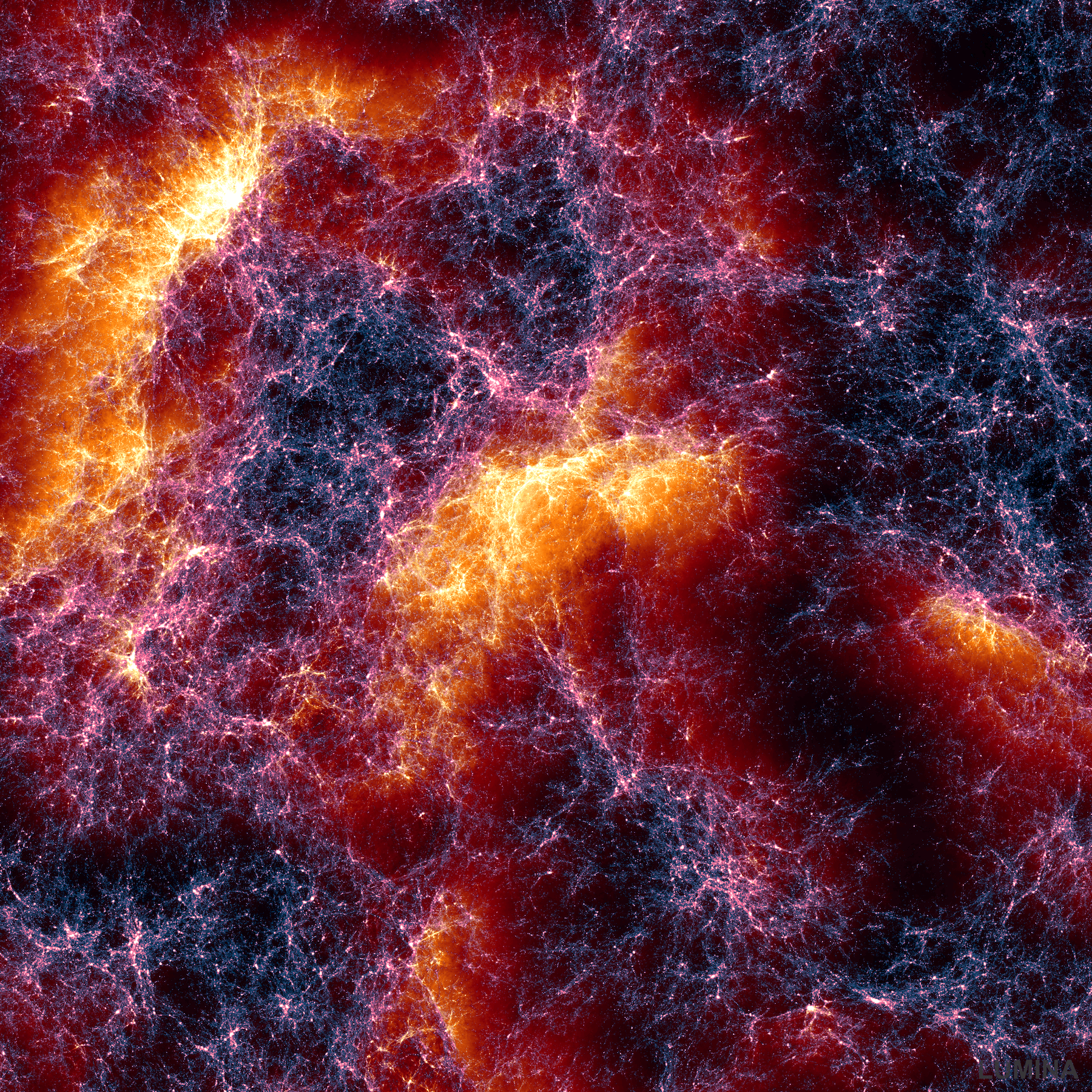
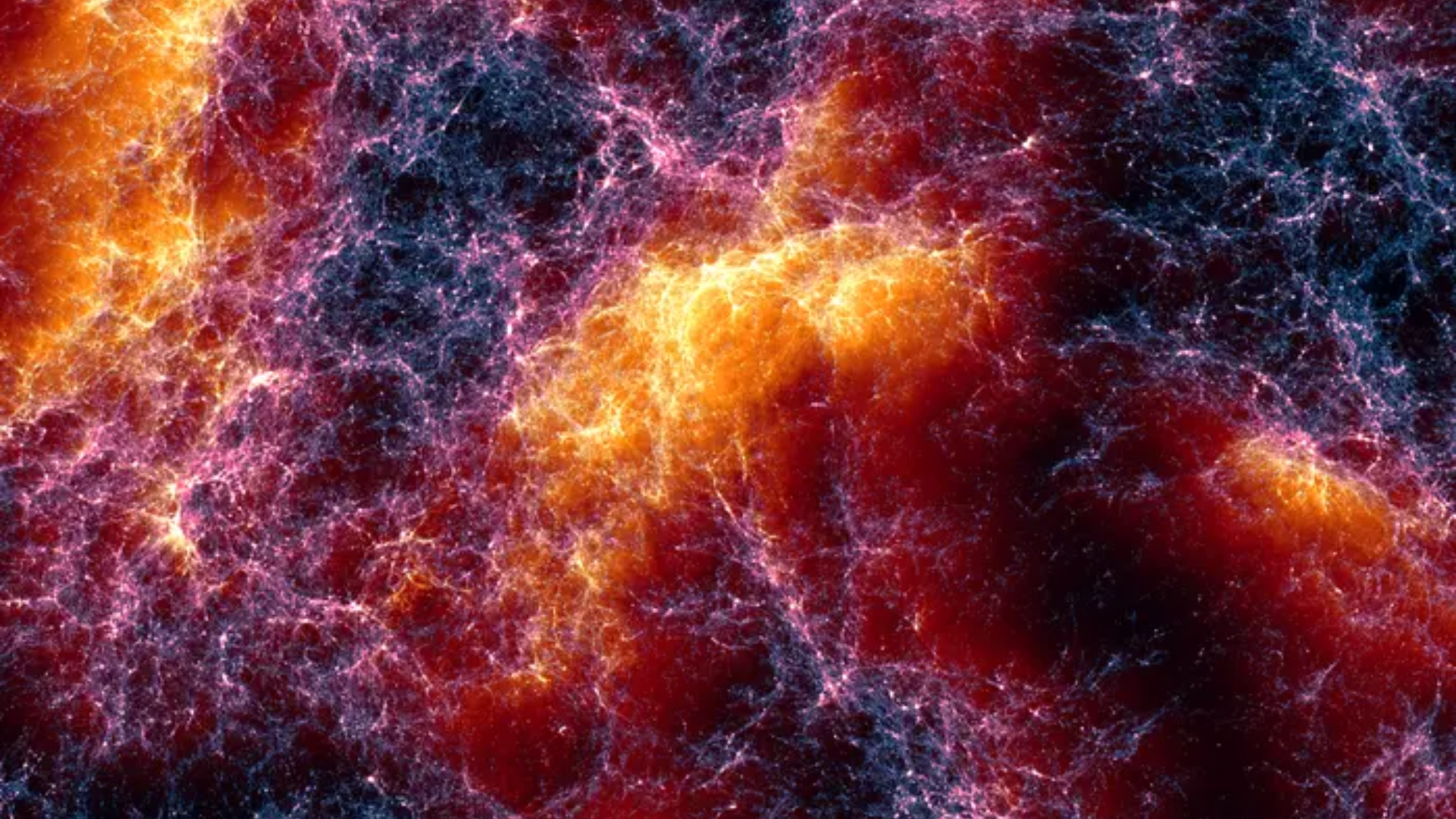
A rendering of the cosmic web about 650 million light-years across, produced by the Lumina simulation. The fine filaments represent dark matter, and the warm orange and yellow tones highlight where gas is moving the fastest between galaxy clusters. Image: Oliver Zier, Center for Astrophysics | Harvard & Smithsonian.
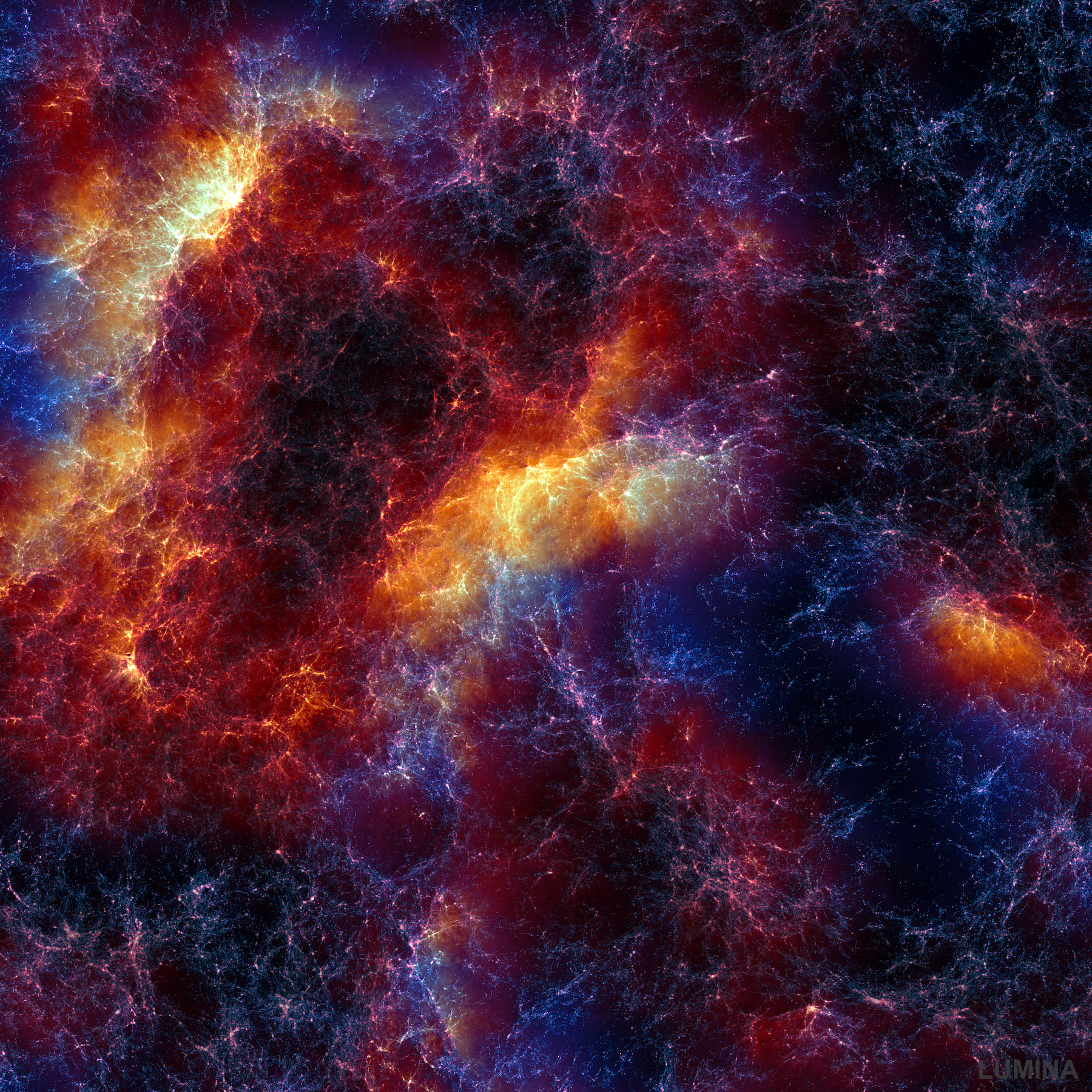
A view of helium during the early universe, developing into the form we know today, represented by the Lumina simulation. This view encompasses a stretch of the cosmic web 650 million light-years across, as represented by the Lumina simulation. The helium is blue where it's only singly ionized (its primitive form) and where it's doubly ionized (its modern form). Image: Oliver Zier, Center for Astrophysics | Harvard & Smithsonian.
A view of helium during the early universe, developing into the form we know today, represented by the Lumina simulation. This view encompasses a stretch of the cosmic web 650 million light-years across, as represented by the Lumina simulation. The helium is blue where it’s only singly ionized (its primitive form) and where it’s doubly ionized (its modern form). Image: Oliver Zier, Center for Astrophysics | Harvard & Smithsonian.
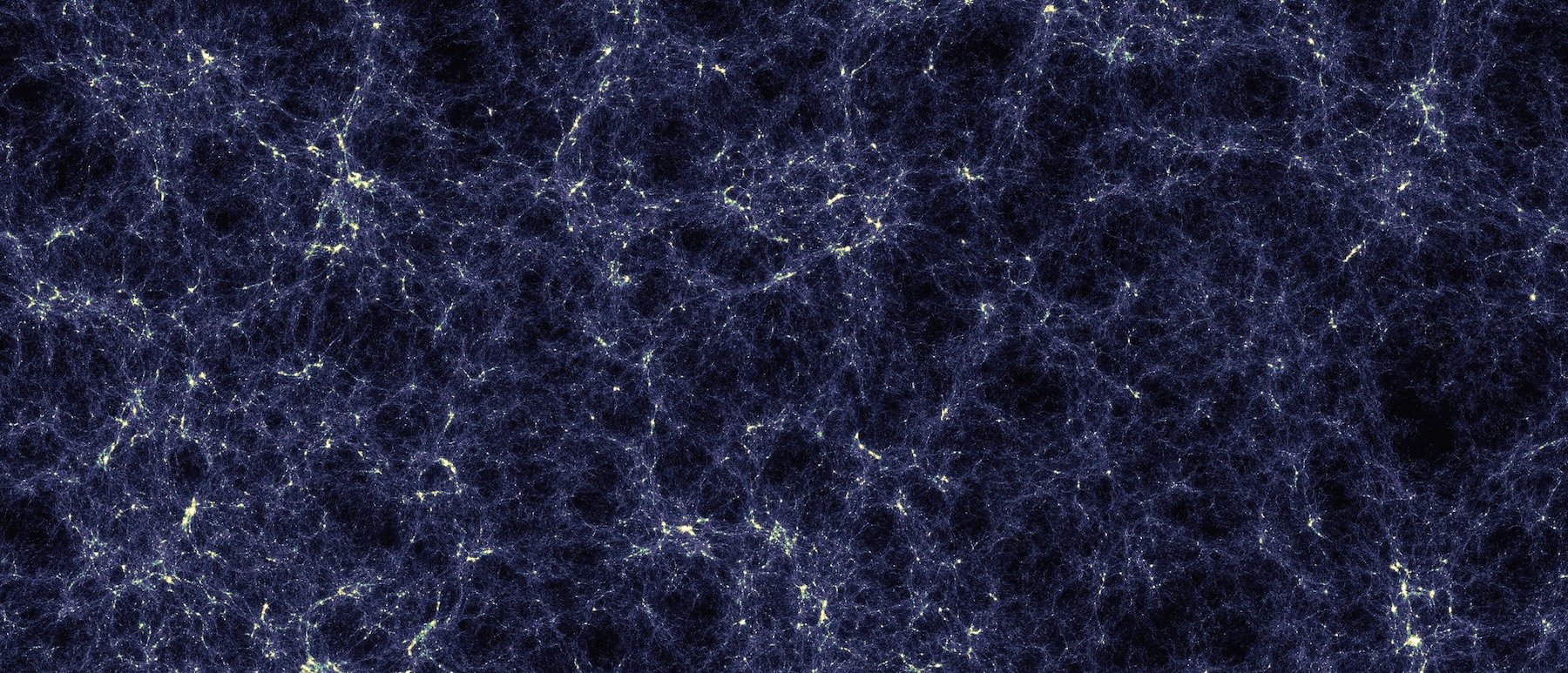
The cosmic web structure as simulated by Lumina. Image: Oliver Zier, Center for Astrophysics | Harvard & Smithsonian.

“With JWST, the early universe has become an exciting new frontier in astrophysics,” study lead author Oliver Zier, a computation astronomer and ITC Fellow at the Center for Astrophysics | Harvard & Smithsonian, said in a statement. “To understand what we are seeing with this telescope, we need to translate our theories into detailed predictions. After several years of work, with plenty of ups and downs, it is incredibly rewarding to see the simulation results and watch our predictions come to life in video.”
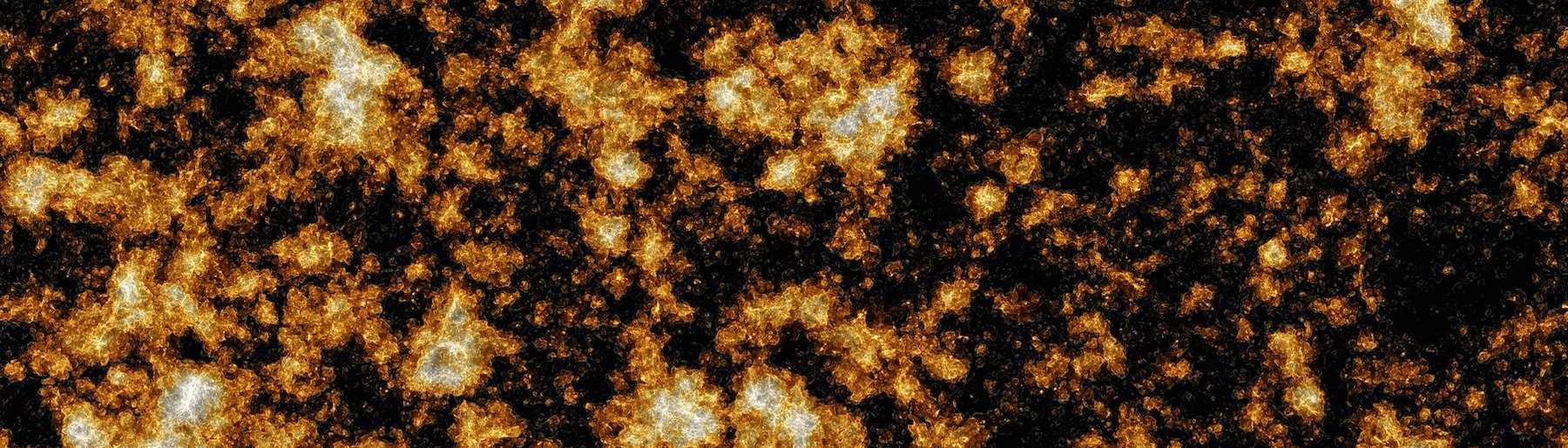
The cosmic web structure as simulated by Lumina, showing where hydrogen has changed to its modern form in the early universe (gold regions).. Image: Oliver Zier, Center for Astrophysics | Harvard & Smithsonian.

Lumina is the largest cosmological radiation-hydrodynamics simulation ever created. This kind of simulation models how the universe’s fundamental ingredients interact to form stars and galaxies. These ingredients include dark matter, light, and gas. Lumina is tracing how the earliest galaxies emerged and transformed the vast regions of gas between them over the universe’s first 2 billion years.
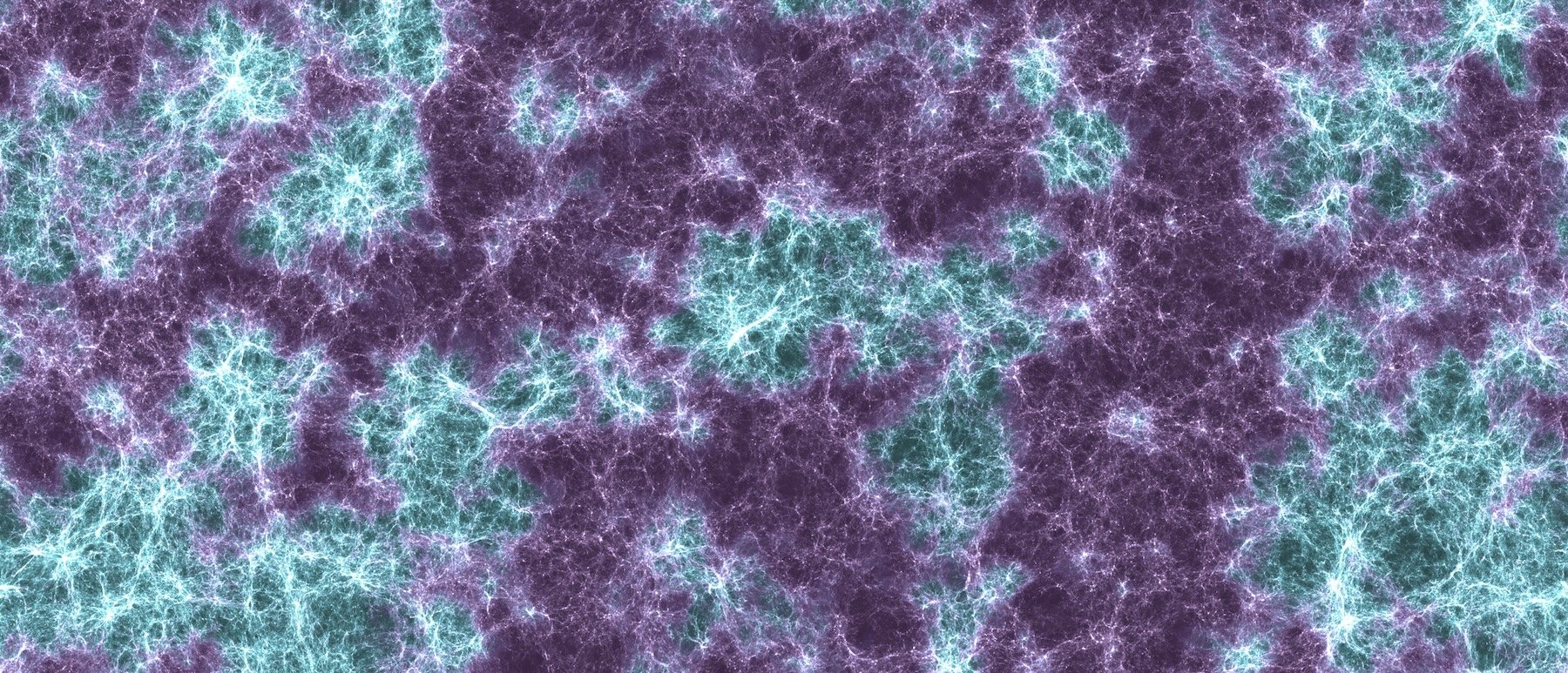
The cosmic web structure as simulated by Lumina, showing where helium has changed to its modern form in the early universe (cyan regions). Image: Oliver Zier, Center for Astrophysics | Harvard & Smithsonian.
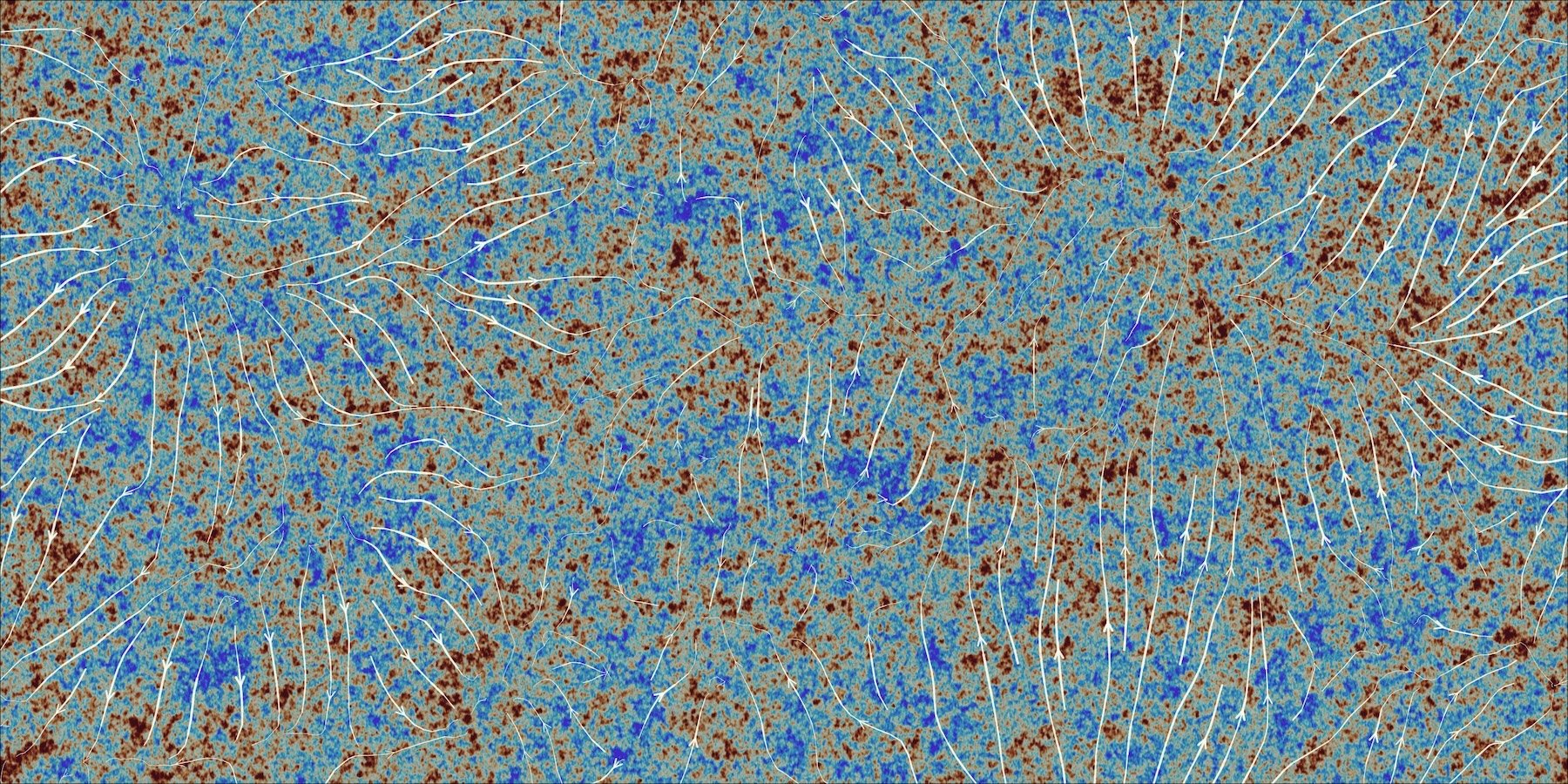
A cosmic map showing the composition of dark matter across the Lumina simulation. Image: Oliver Zier, Center for Astrophysics | Harvard & Smithsonian.

“We feel incredibly fortunate to be building simulations like Lumina,” added Aaron Smith, an assistant professor of physics at the University of Texas at Dallas and study co-author. “For the first time, we can follow along as both hydrogen and helium changed into their modern form across such an enormous volume of the universe, while still resolving the galaxies and other luminous objects driving that transformation.”

View the original on Popular Science →

KioskNews shows a cleaned-up reading view extracted from the publisher’s page — the original always lives on their site, not ours.