Meta settlement falls short on teen mental health protections, whistleblower says

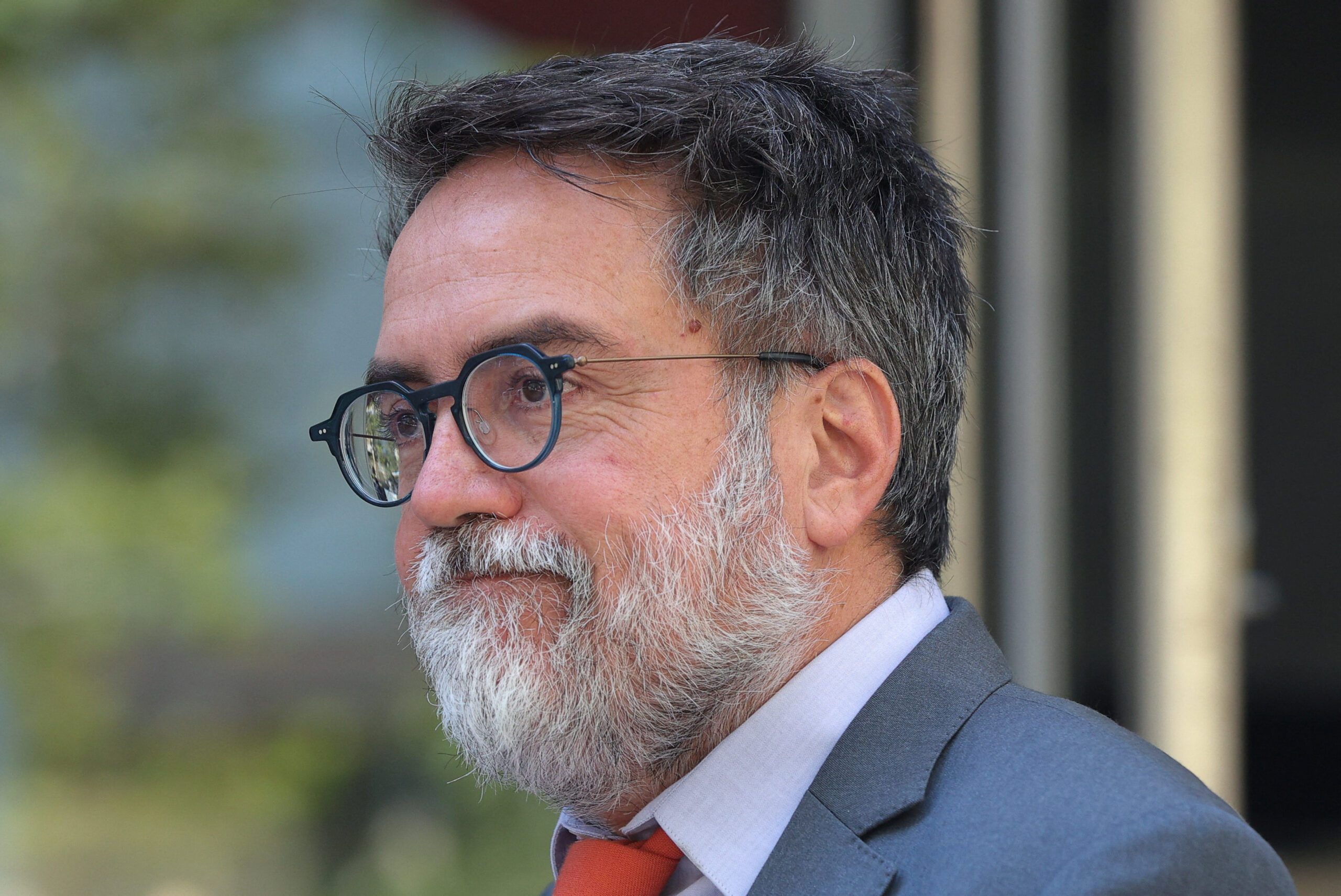
BEJAR. Arturo Bejar, a former Facebook safety engineer and Instagram consultant, leaves the courthouse as Meta faces a landmark trial in federal court over claims from 29 states that the company illegally collected and used children's data in violation of federal law, allegedly designed its social media platforms to keep young users hooked and misled consumers about their safety, in Oakland, California, U.S., August 19, 2026
Manuel Orbegozo/Reuters
'This agreement could simply codify much of the 'safety theater' that Meta has been doing in recent years,' says whistleblower Arturo Bejar, a former Meta safety engineer
AT A GLANCE
- A whistleblower, Arturo Bejar, criticized Meta's recent settlement with US states, claiming it fails to adequately address the harms of social media on teens.
- The settlement includes Meta paying up to $18 billion and implementing measures like limiting teen usage of Facebook and Instagram, but many remedies are seen as inconsequential.
- Experts have mixed reactions to the settlement, with some believing it could lead to meaningful changes in teen social media usage, while others argue it does not sufficiently tackle the underlying issues.
This is AI-generated. Read the article for full context. Report any errors.
A whistleblower whose testimony helped build a child safety case against Meta Platforms META.O said on Wednesday that the firm’s settlement with a coalition of US states does not meaningfully address harms from social media that he described in court.
Former Meta safety engineer Arturo Bejar told a judge and eight jurors last week that the firm had knowingly underreported the frequency with which teens were harmed on its platforms, pushed them toward content that made them feel bad about themselves and failed to correctly adjudicate reports of child predation.
On Wednesday, the states announced they and Meta had settled the case, with California Attorney General Rob Bonta declaring that the settlement “will make social media less dangerous for our kids.” However, Bejar said the proposed settlement does not meaningfully address the problems he was asked to testify about.
“This agreement could simply codify much of the ‘safety theater’ that Meta has been doing in recent years,” he said. “Instagram will be used a little less, but it will not be any safer.”
In announcing the settlement, Meta said it is “building on our longstanding efforts to empower parents and support teens.”
“We’re grateful for Mr. Bejar’s advocacy and for his testimony in our case,” Bonta said in a statement. “We agree that there is more to be done by legislatures and industry, but believe that the settlement we announced yesterday institutes real and enforceable change, real transparency, and real protections for children and teens across the country.”
Inconsequential remedies
The settlement involves Meta paying states up to $18 billion over the next decade and remedies such as limiting how teenagers use its Facebook and Instagram social media platforms.
In some instances, remedies secured by the attorneys general are measures that leaked documents showed Meta previously considered and rejected after determining them to be relatively inconsequential on both user well-being and business grounds.
For example, Meta has agreed to hide likes and reaction counts on posts to prevent young users from comparing their posts’ performance with those of peers.
Such an effort to address “negative social comparison” dates back to 2019, when Meta considered adopting the measure to address its researchers’ concerns that social media might be harming teenagers’ mental health.
Meta’s tests on the effects of hiding like counts, known as “Project Daisy,” found that the change had at most a modest impact on users’ experience.
“We didn’t observe movements in overall well-being measures,” Facebook employees wrote in a 2020 slide presentation to Mark Zuckerberg.
The effects on Meta’s business were similarly slight, with tests showing that daily user count would likely fall by around 0.09% if the change was adopted.
Meta ultimately allowed users to hide like counts as an opt-in feature.
Mixed reaction
Youth safety concerns about Meta’s products have been raised for years, with some of the most concerning material emerging from internal Meta research leaked by employees or obtained via legal discovery.
Broadly, Meta’s researchers have internally flagged algorithms’ tendency to recommend high doses of fitness and beauty content to teens with existing self-esteem issues and the intentional design of features that keep young users scrolling longer than they would independently choose. (READ: Teens a ‘top priority’: Documents show Facebook, platforms’ efforts to hook young users)
Other concerns focused on shortfalls in Meta’s handling of user reports and moderation of inappropriate content. Bejar, for example, oversaw work at Meta that concluded that users had bad experiences on Meta’s platforms at rates greater than the company’s official prevalence estimates.
Such allegations were central to the states’ case against Meta, but they are addressed only glancingly in the settlement. Instead, the remedies cited by the attorneys general focus on greater parental controls, time limits and boosting efforts to detect minors misrepresenting themselves as adults.
Meta’s ability to identify and remove underage users is itself far from guaranteed as users self-report their ages. In Australia, where the government banned social media use by teenagers under age 16, regulators have found that eight in 10 young teens remain on social media, prompting authorities to consider additional enforcement.
Reaction from teen mental health experts to the settlement was mixed. Dr. Jane Conron, a clinical psychologist at Northwestern University’s Feinberg School of Medicine, said the settlement only requires Meta to offer a non-algorithmically curated social media feed to teens on an opt-in basis, a feature she predicted would go largely unused.
However, the settlement’s requirement that Meta cap the number of hours teens spend on Instagram and Facebook each day could be meaningful for some users, she said.
Some of her young patients are so “emotionally overwhelmed by leaving the app” that they cry when their parents attempt to restrict how much time they spend on it, Conron said. A built-in usage limit “will help,” she said, adding that she believes the settlement might also change the conversation around social media between teens and their parents.
While the deal did not require Meta to acknowledge fault or accept the claim that it built harmful products, Conron saw its existence as significant.
“I see changes because people will realize the gravity of the problem,” she said. – Rappler.com
KioskNews shows a cleaned-up reading view extracted from the publisher’s page — the original always lives on their site, not ours.