16 Years Later, The Best Zombie Opening Scene Of All Time Is Still Undefeated

Casey Duby is an avid TV writer, watcher, and reviewer. She graduated from Emerson College in 2021 with a focus in Writing for Film and Television, where she wrote several pilots and watched countless more. She's been working in television ever since.
Casey loves thoughtful content that makes her ponder our world and the people in it, and she's learned that any genre can surprise her. With favorites in every genre from horror to politics, family to action, nothing is off limits.
Casey has experience working in TV development and writing scripted shows. Currently working as a Writer/Critic in Los Angeles, with an AMC A-List membership to boot, she is always hunting for the next good story and great theme song.
Sign in to your ScreenRant account
The zombie genre has grown increasingly popular throughout the 21st century. In the early 2000s, cult classics like Cillian Murphy's 28 Days Later and Charlie Brooker's Dead Set proved that the gory, heart-pounding nature of zombie stories could be handled with class, depth, and emotional or societal relevance. In other words, the genre was beginning to become something that everyone could enjoy.
Today, zombie tales have become so normalized that even the once-disgraced genre of video game adaptations has begun to offer compelling stories worthy of the classification of prestige TV. HBO's The Last of Us, with the emotional, magnetic dynamic between Pedro Pascal's Joel and Bella Ramsey's Ellie, has become one of the streamer's buzziest outings.
Even more recently, Zach Cregger's movie adaptation of the Resident Evil universe has dominated the box office and made a star out of Austin Abrams, proving that existing IP can be adapted in a way that feels fresh and powerful. In fact, the greatest trait of modern zombie stories is how compelling they are as standalone character studies, with the zombie element serving simply as icing on the cake.
This character focus is what has allowed zombie stories to become so prominent in mainstream popular culture in recent years, and this phenomenon is a result of the prominence of one zombie series in particular.
The pilot episode of The Walking Dead established, right off the bat, that it was about more than survival and gore (of which it had plenty). It was, first and foremost, about its survivors, who they were as people, and who they would become after going through the show's harrowing events.
The Walking Dead Made The Zombie Genre What It Is
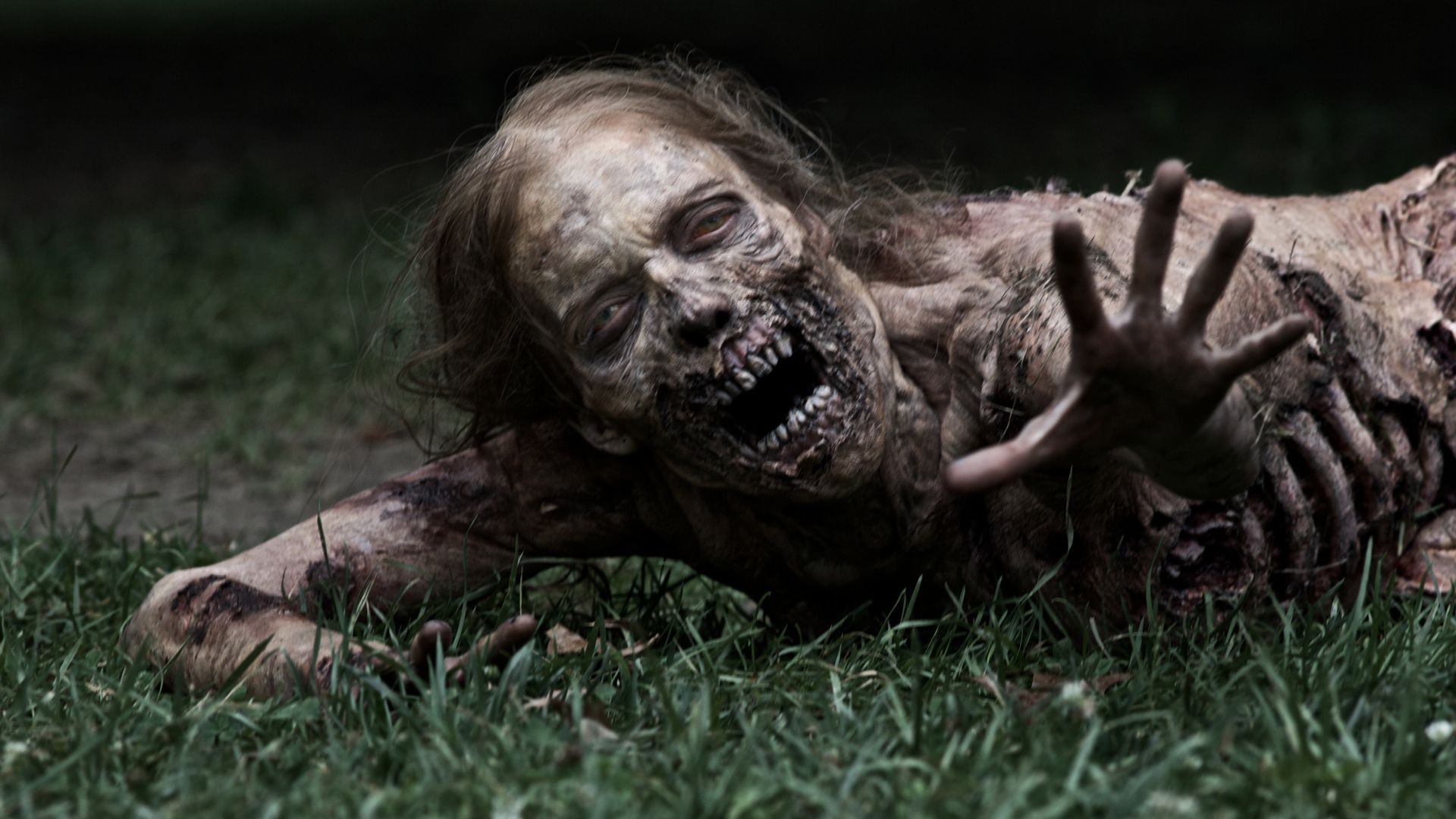
After a chilling cold open in which a little girl zombie picked up her stuffed animal before attempting to eat Andrew Lincoln's Rick Grimes, The Walking Dead took a surprisingly mundane detour. After the opening credits, the show backtracked to a moment between cops Rick and Shane (Jon Bernthal) chatting over burgers in their squad car.
In a surprisingly mundane moment, the scene revealed Rick's struggling marriage with Lori and strained parenting of their son Carl, as well as Shane's lifestyle as a superficial bachelor. Beyond offering relevant details about the show's characters and plot, the scene was both entertaining and authentic, while Lincoln and Bernthal's chemistry established the characters' genuine friendship.
This seemingly innocuous scene is what set The Walking Dead apart from the very beginning. It established that the show was about much more than simply watching surface-level characters fight the undead. It was about nuanced, three-dimensional people navigating an unprecedented situation and what that would do to their morality, value system, and decision-making.
At the same time, this focus actually amplified the show's action-driven zombie fighting. Shortly after this scene, Rick was shot on the job and later awoke to a completely abandoned hospital in a world now overrun with zombies. After introducing Rick with such a casual scene, the world he woke up to felt especially jarring, desolate, and haunting, immersing viewers in the complete disorientation of his experience.
By offering more than surface-level action fun, The Walking Dead became both critically acclaimed and massively popular. At the time of its 2010 premiere, the show's emotional endeavors were unprecedented for its genre. Today, this high-quality take on the genre has become the norm, but the popular zombie stories of recent years would not exist without the precedent set by The Walking Dead.
Resident Evil's Opening Scene Is Comparable To The Walking Dead

Resident Evil, the 2026 box office hit inspired by the video game franchise, takes on a tone completely its own, proving that there are still compelling ways to innovate within the zombie genre. Yet the movie, particularly its much-discussed opening sequence, isn't excused from following in the footsteps of TV's most influential zombie series.
Resident Evil opens with Bryan, an organ transplant courier, taking on one last job of the night in the remote, snowy Raccoon City. Thanks in large part to Austin Abrams' comedic and intimate performance, Bryan's journey is shrouded in normalcy. Even as he makes his way down increasingly unnavigable roads, his priority is making peace with his girlfriend over the phone and protecting his package.
In an almost solo sequence, Resident Evil establishes Bryan's personal and professional life, not unlike The Walking Dead's squad car conversation between Rick and Shane. Like The Walking Dead, Resident Evil sees Bryan's life completely changed in an unpredictable instant.
Bryan's world quickly becomes defined by "before" and "after" an event completely out of his control and which separated him from his loved ones and society as a whole. Additionally, in the character work done in the few short moments before his life permanently changed, the movie created intrigue not only through the fun zombie-fighting action, but also in how this particular character would get through it.
Today's character-driven zombie stories each stand on their own merits, with their own strengths and offerings to the genre. Yet when watching any of them, it's difficult not to be reminded of The Walking Dead, and to think that the franchise-birthing hit is responsible for pioneering the success of a genre that has become so popular today.
- Release Date
- 2010 - 2022-00-00
- Network
- AMC
- Showrunner
- Frank Darabont, Angela Kang, Scott M. Gimple, Glen Mazzara
- Directors
- David Boyd, Ernest R. Dickerson, Billy Gierhart, Guy Ferland, Laura Belsey, Jeffrey F. January, Michael Cudlitz, Sharat Raju, Alrick Riley, Michael Slovis, Michelle MacLaren, Rosemary Rodriguez, Seith Mann, Tricia Brock, Daisy von Scherler Mayer, Daniel Sackheim, Fred Toye, Gwyneth Horder-Payton, Jon Amiel, Kari Skogland, Kevin Dowling, Tawnia McKiernan, Larry Teng, Julius Ramsay
- Writers
- Channing Powell, David Leslie Johnson-McGoldrick, Glen Mazzara, Jim Barnes, Vivian Tse, Robert Kirkman, Erik Mountain, Evan Reilly, Kevin Deiboldt, Julia Ruchman, Nicole Mirante-Matthews, Nichole Beattie, Eddie Guzelian, Geraldine Inoa, Magali Lozano, Curtis Gwinn, LaToya Morgan, Eli Jorne, Adam Fierro, Frank Renzulli, Ryan Coleman, Jack LoGiudice, Charles H. Eglee
KioskNews shows a cleaned-up reading view extracted from the publisher’s page — the original always lives on their site, not ours.