‘We don’t need charity’: How UP sex workers are turning water hyacinth into craft
I do not need charity, I am earning enough to feed my family. But I wish I could develop a skill that can sustain me in my later years. And make something beautiful for others to remember me by, instead of being stigmatised,” says Sarla Devi*, a sex worker in Biskohar, a bazaar town in Uttar Pradesh’s Siddharthnagar district. She, and others like her, had that meaningful moment at the Lakme Fashion Week when their hand-spun weaves from the dried fibres of water hyacinth adorned models swishing down the ramp.
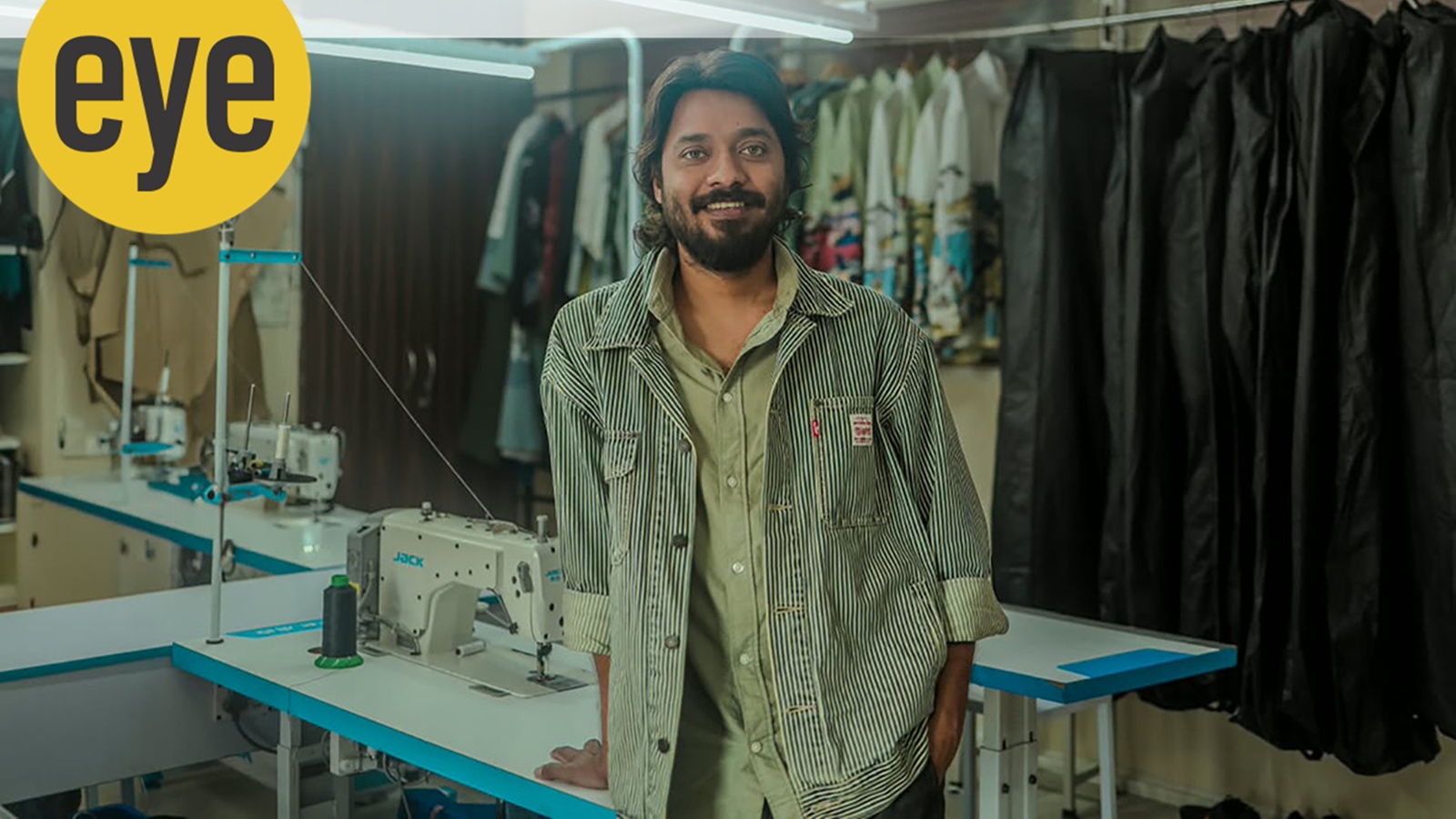
Designer Anurag Gupta, who himself grew up in Siddharthnagar and had a tough journey to design school, riddled with language and culture barriers, chanced upon the women as part of his project to give back to his hometown. A self-taught researcher of sustainable weaves, he picked up the idea of developing fabric from plant fibres when he saw craftspersons from Bihar making baskets, mats and gift items out of water hyacinth during a showcase at BharatTech in Delhi. Back home, he came across an NGO, Earthomadic Foundation that worked with 200 to 300 sex workers, skilling them to be artisans. That’s when he thought about helping out the sex workers at Biskohar, an area known since the time of the British.
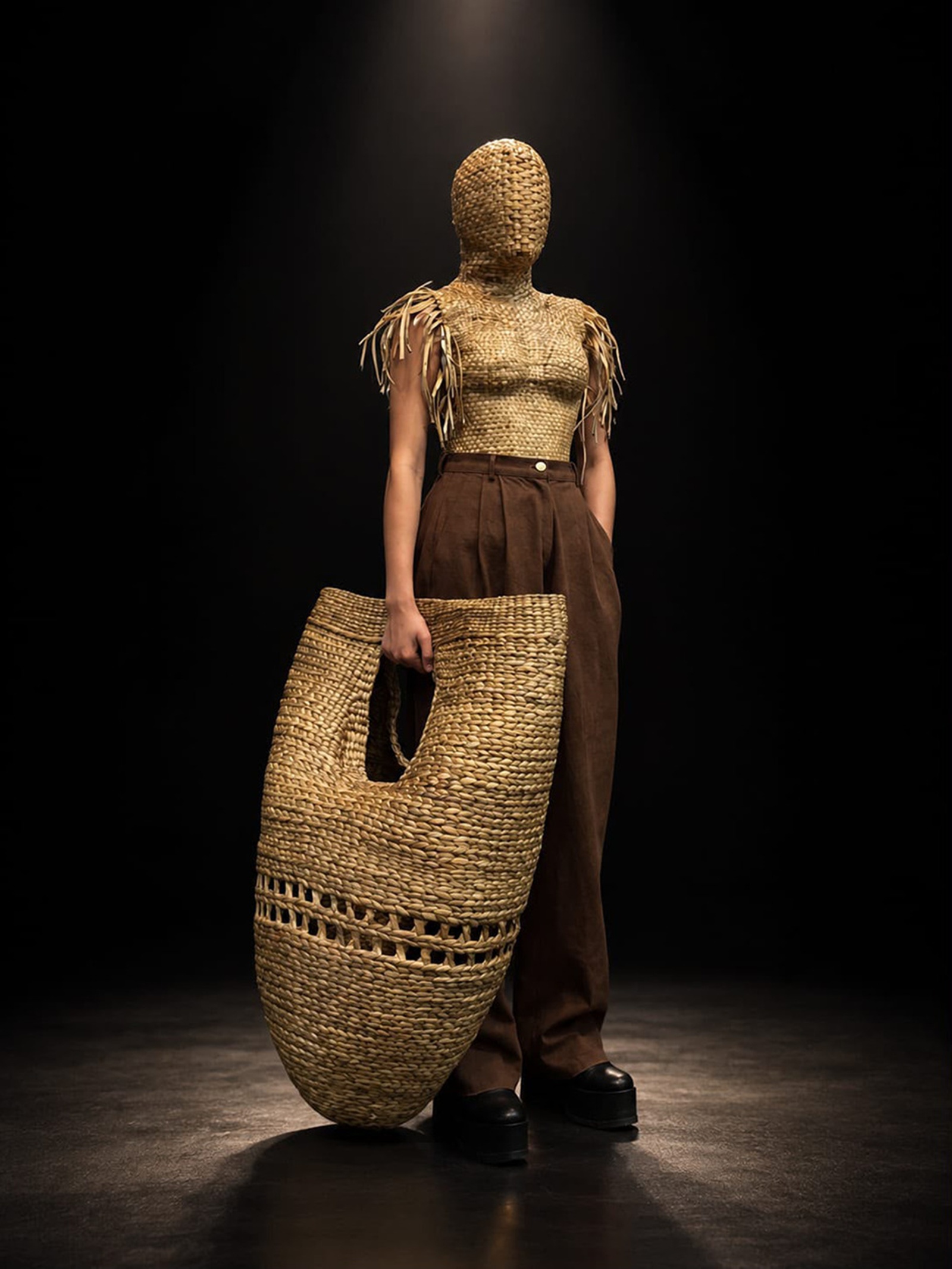 Anurag Gupta’s collection at Lakme Fashion Week
“I was drawn to these feisty women, who had been playing by the rules of generational patriarchy but were still spirited enough to not disown their profession and raise families on their own resources. They were confined to the fringes of the village but built their community and did not want outside intervention. “In fact, when I broached the subject of weaving as an alternative source of livelihood, they refused,” says Gupta.
One of them, Sanichari*, says the distrust is born of a history of exploitation. “Everybody uses us to get headlines and then forgets us. They use us for their causes, get their grants and leave us midway. There was a drive for mass marriages by the SDM. The media covered it. Then the girls came back here again. Why should we be a sales campaign for everybody else?” she asks. Gupta had a tough time convincing them, doing to and fro for 10 months, and they agreed only when the first consignment had been booked. His challenge now is to make sure the interest generated by a fashion show can translate into something more lasting.
Water hyacinth or jalkumbhi is an invasive aquatic plant that grows rapidly across ponds, lakes and other water bodies. Left unchecked, it can choke waterways and disrupt aquatic ecosystems. But its stems, once dried and cut into strips, can be worked into a fibre, The resulting material can be used to make everyday objects, from bags, baskets and home accessories to packaging material. The leftover plant matter can be used for handmade paper. Gupta wants to develop a range of products that can be sold through different channels, including home accessories and packaging for brands and businesses.
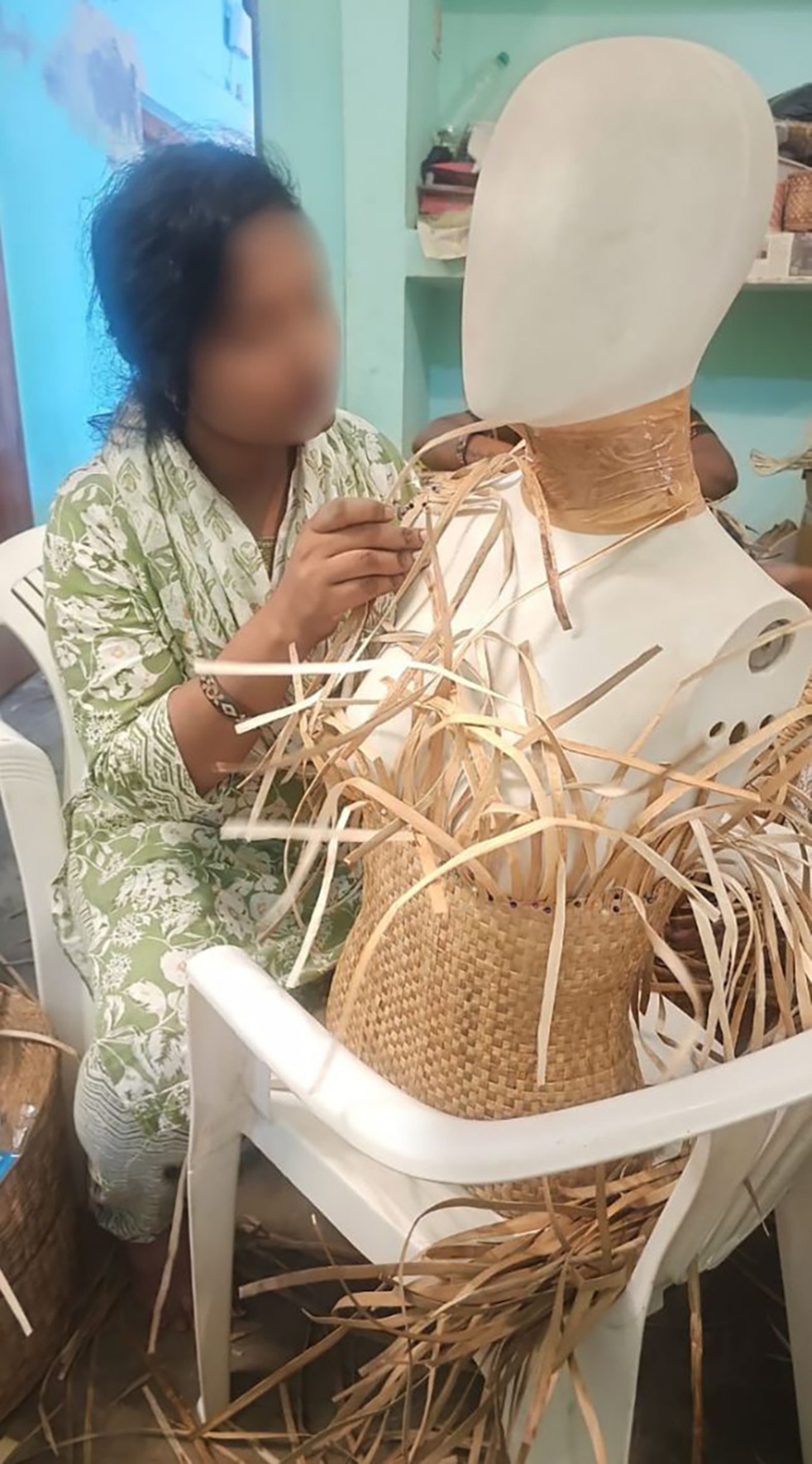 A sex worker working with water hyacinth
The metaphor was too difficult to ignore. Nobody cared for the water hyacinth or these women. “A plant that has largely been seen as a nuisance becomes a material, which becomes a craft, which, if the market can be made to work, becomes another way for women to earn. Unlike a livelihood that would require women to migrate in search of work, this could be developed within the village, around their existing circumstances,” says Gupta. The “nobody’s women” imagery resonated with Gupta’s own story. An average heartland boy, Gupta had no TV at his home and his only inspiration was the lifestyle section of a newspaper. He learned English to get into NIFT, Lucknow, did not make it but got accepted at Northern India Institute of Fashion Technology, Ludhiana. He has apprenticed with designers Manish Arora and Varun Bahl.
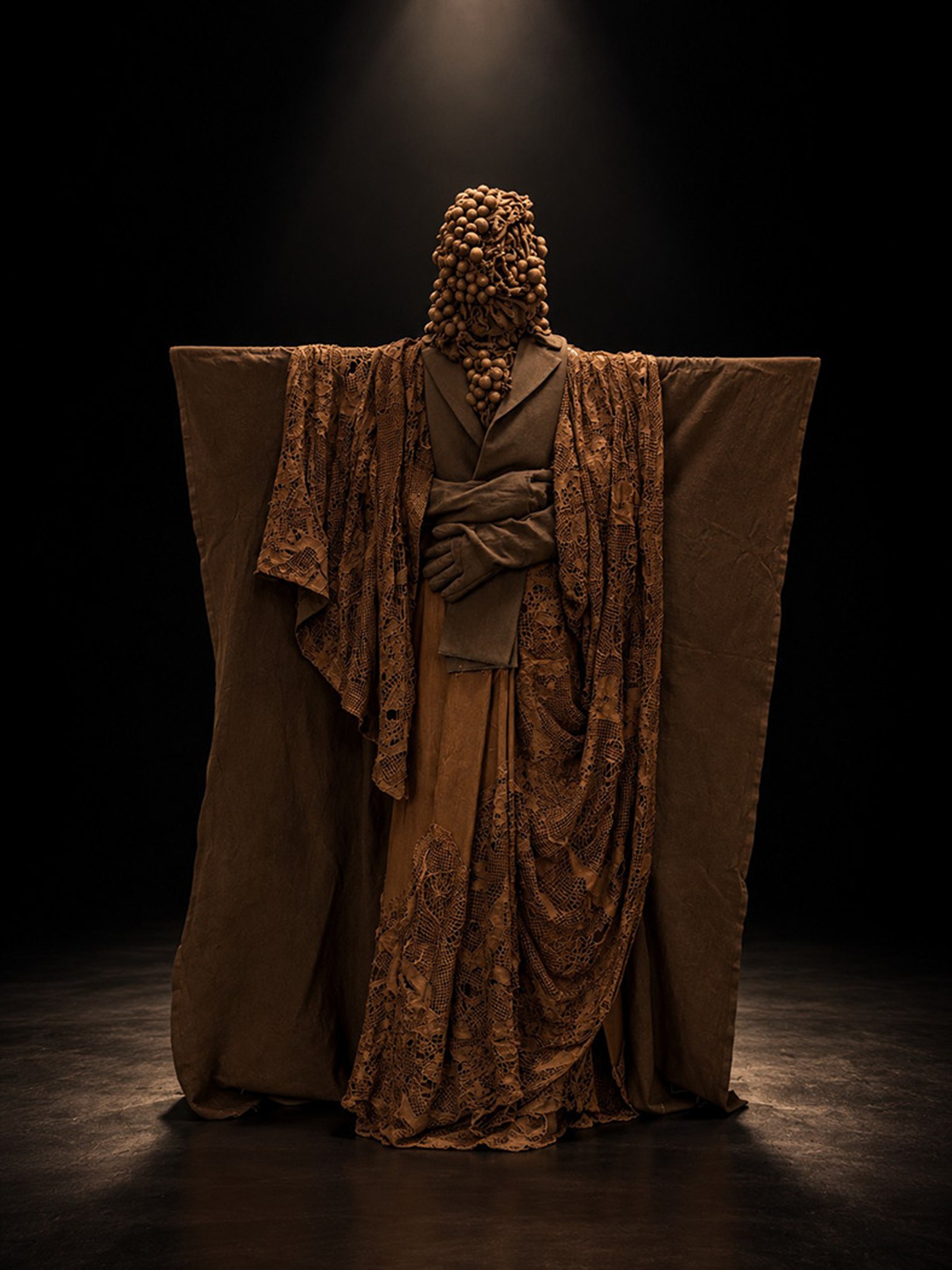 Take a look at Anurag Gupta’s collection
Gupta’s project is also exploring a training programme in which women would receive a stipend during an initial month of learning, making it easier for them to participate while developing a new skill. Those who choose to continue could take up home-based production against orders. “The aim is to connect training directly to earning, rather than leave participants with a certificate but no practical way to use what they have learnt,” he says. Fashion collaborations and exhibitions may help introduce the craft to a new audience, while corporate gifting, home and lifestyle products, retail and e-commerce could offer routes to repeat business. “They are not waiting to be rescued but a real opportunity to earn differently and be valued. I cannot fail them,” says Gupta.
KioskNews shows a cleaned-up reading view extracted from the publisher’s page — the original always lives on their site, not ours.