12 Classic Movie Quotes Everyone Still Uses Today

Richard Craig is a Senior Author at Screen Rant covering film and TV. Richard has also written extensively about horror and film soundtracks, contributing a chapter to the first major academic collection on the folk horror genre, The Routledge Companion to Folk Horror. Richard is also a performing musician and holds an MA in Music and Sound Art.
Some movie lines are so memorable that they eventually become part of everyday conversation. One of the most impressive things about cinema's cultural influence is that a few words spoken by a fictional character can become shorthand for an entire situation. Whether someone is making a sarcastic observation, expressing frustration, or simply trying to get their point across, some of cinema’s most famous lines have proven themselves as the perfect response.
Of course, some of the most famous movie quotes ever haven’t entered common parlance, no matter how celebrated. "I love the smell of napalm in the morning" from Apocalypse Now is frequently referenced, but not exactly something people can work into a conversation. Robin Williams' "Good morning, Vietnam!" became hugely popular after the 1987 film, and was repeated so much that today it’s considered quite corny. "Wax on, wax off" from The Karate Kid is one of the most famous movie quotes of all time, but would require some remarkably specific circumstances to use in conversation.
These are the movie lines that are repeated at family gatherings, workplaces, sporting events, and social occasions, sometimes by people who haven't even watched the films that popularized them. Their original performances remain unforgettable, but their usefulness outside the movies is what has made them genuine pieces of popular culture.
"I'm Going To Make Him An Offer He Can't Refuse."
The Godfather (1972)

No movie quote conveys power and intimidation quite as efficiently as Don Vito Corleone's famous promise. Spoken by Marlon Brando's Mafia patriarch in Francis Ford Coppola's The Godfather, the line describes his preferred approach to getting people to cooperate. The line is dripping with understated menace. Corleone doesn't need to threaten somebody explicitly because the implications are perfectly clear.
Outside the film, however, the phrase has become a wonderfully versatile way of describing persuasion. The original threat has become a playful declaration of negotiating confidence – often accompanied by an exaggerated Brando impression.
"I'll Be Back."
The Terminator (1984)

Arnold Schwarzenegger's T-800 doesn't waste words, and James Cameron's The Terminator gave him perhaps the most recognizable catchphrase in action cinema. When a police officer refuses to let him enter a police station, the seemingly emotionless cyborg simply responds, "I'll be back." The Terminator then returns by driving a car through the station's front entrance.
The line has remained associated with the actor throughout his career, appearing in numerous subsequent films and even becoming part of his political and public identity. It became the go-to Arnie impression and is frequently used to suggest his understated threat or distinctive screen presence.
"I Am Serious. And Don't Call Me Shirley."
Airplane! (1980)

Airplane! is practically an instruction manual for absurd comedy, and this exchange is one of Airplane!'s most enduring jokes. When Ted Striker (Robert Hays) is asked whether he is serious, Dr. Rumack (Leslie Nielsen) responds, "I am serious. And don't call me Shirley." It is a wonderfully stupid misunderstanding that is made exponentially funnier by Nielsen’s trademark deadpan delivery.
The phrase has become an easy way to respond whenever somebody questions whether you're being serious or uses the word “surely.” It works particularly well when the situation is ridiculous, allowing the speaker to acknowledge the absurdity without actually abandoning the argument.
"You Can't Handle The Truth!"
A Few Good Men (1992)
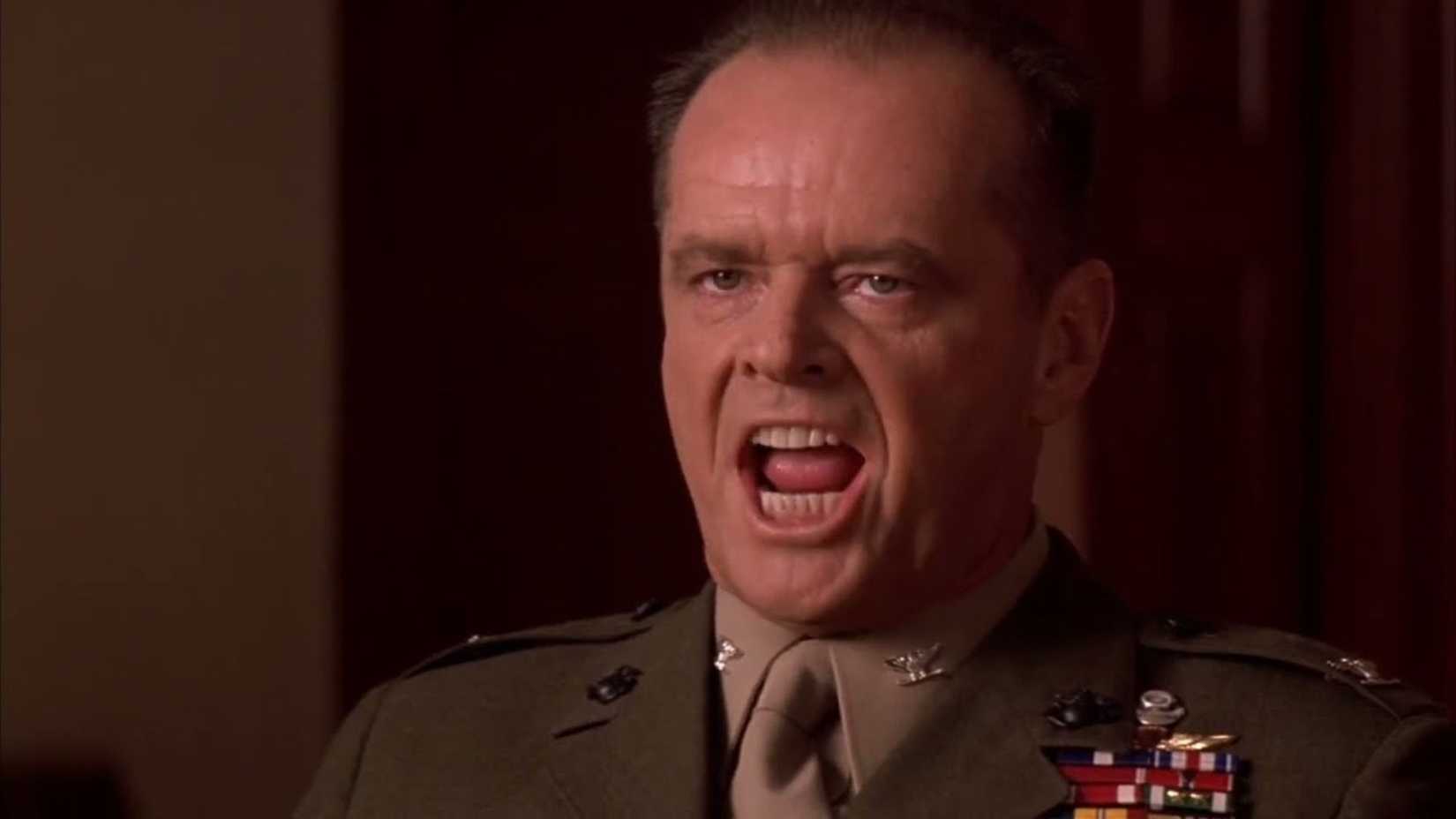
The courtroom drama A Few Good Men contains one of cinema's most celebrated confrontations. During a heated exchange with military lawyer Daniel Kaffee (Tom Cruise), Colonel Nathan Jessup (Jack Nicholson) finally loses his composure and delivers the explosive declaration, "You can't handle the truth!"
The scene is the culmination of Kaffee's investigation, and Nicholson's increasingly furious performance exposes the arrogance and self-justification beneath that commanding exterior. The quote has become a wonderfully theatrical response to somebody asking an uncomfortable question or challenging an explanation.
"You Talkin' To Me?"
Taxi Driver (1976)
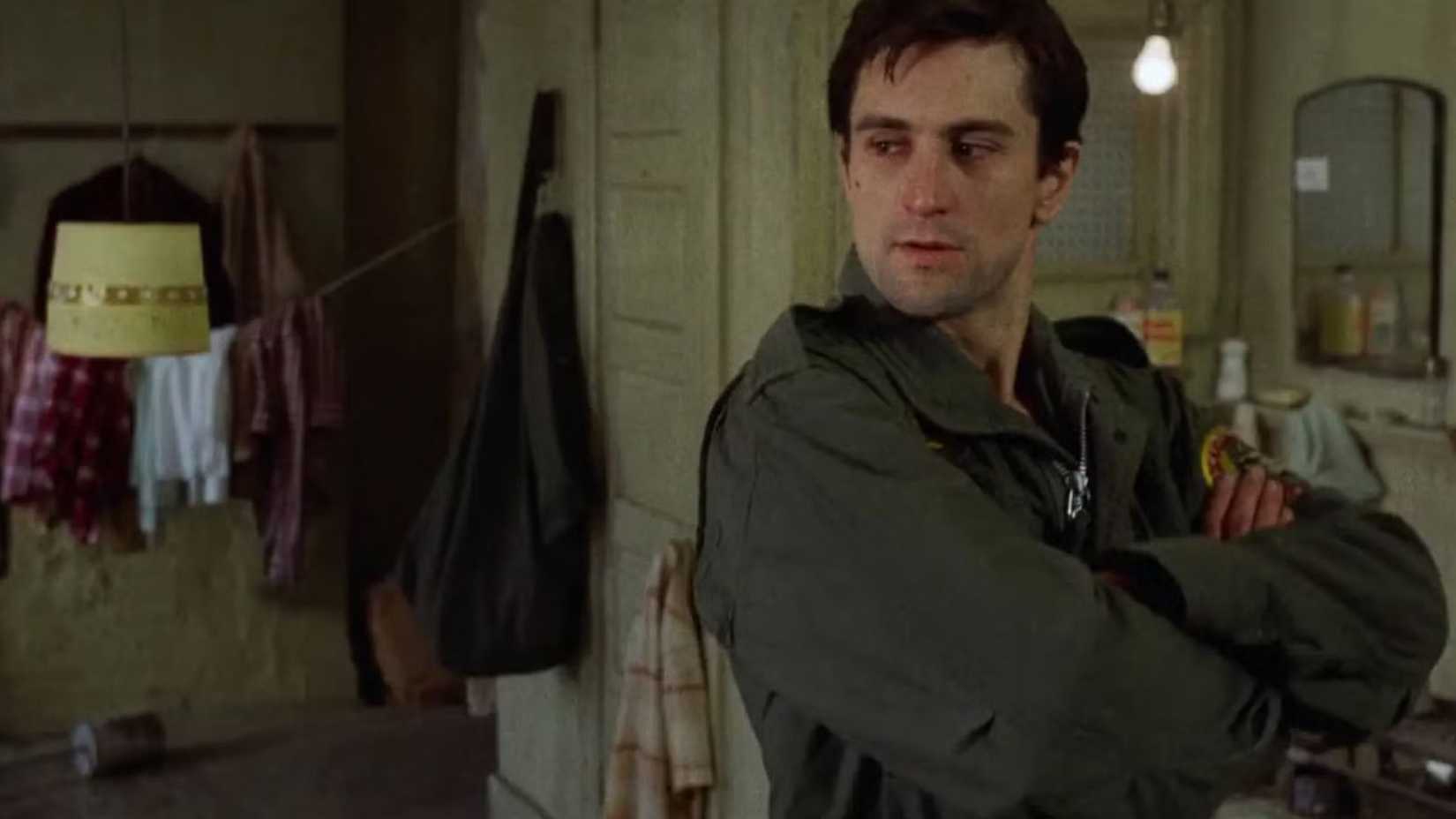
Martin Scorsese's Taxi Driver features one of Robert De Niro's most famous performances, and its improvised mirror monologue has become an essential part of film history. Playing psychologically troubled Vietnam veteran Travis Bickle, De Niro utters the now-famous question while pretending to confront an imaginary opponent. The scene captures Bickle's growing alienation and increasingly unstable mental state.
He’s rehearsing a confrontation that exists entirely in his imagination, trying to convince himself that he is capable of defending himself against the world around him. The question has since become a wonderfully adaptable expression of disbelief or pretend confrontation.
"Go Ahead, Make My Day."
Sudden Impact (1983)

Clint Eastwood's Harry Callahan had already established himself as one of cinema's most famous tough-guy characters before Sudden Impact gave him another unforgettable line. When Callahan confronts an armed robber during a diner holdup, he delivers the warning that would become his signature catchphrase: "Go ahead, make my day."
The line became synonymous with Eastwood and a shorthand for someone acting like a tough guy. President Ronald Reagan famously borrowed the expression during a 1985 press conference, using it while discussing potential legislation and a possible tax increase. Today, the phrase is frequently used sarcastically when somebody threatens to create an inconvenience or challenge someone's patience.
"Life Was Like A Box Of Chocolates."
Forrest Gump (1994)

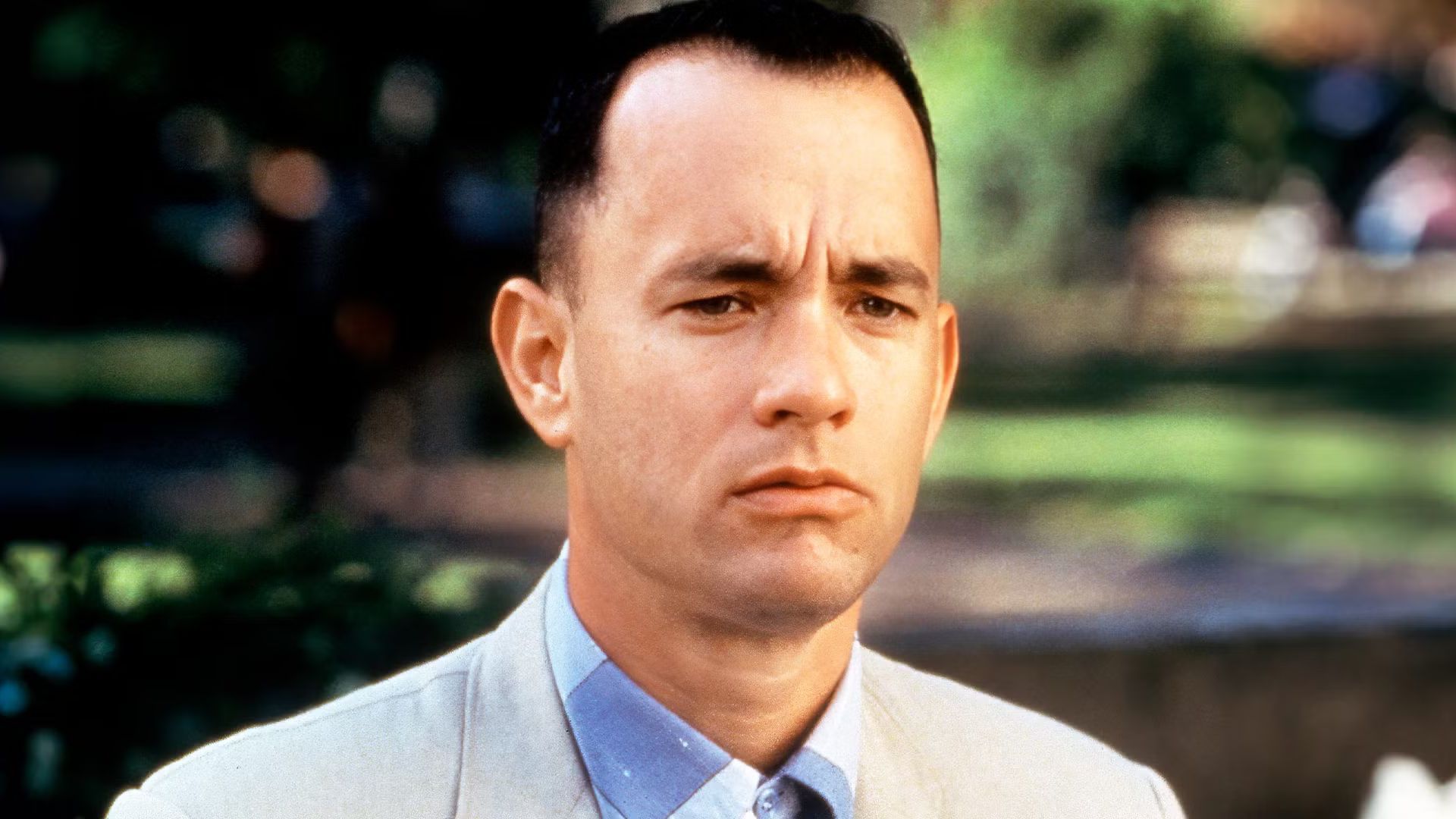
Forrest Gump is a movie littered with memorable quotations and opens with one of the most enduring. Sitting at a bus stop, Tom Hanks' character explains his mother's philosophy: "My mama always said life was like a box of chocolates. You never know what you're gonna get."
It's a simple sentiment, but one that neatly captures the unpredictability of life. As such, the phrase is now a popular way to acknowledge uncertainty. It is often altered to be in the present tense (“Life is like”), which makes the phrase even more applicable to real-life situations and ensuring it continues to be commonly used.
"I Feel The Need... The Need For Speed!"
Top Gun (1986)

Top Gun helped turn Tom Cruise into an international superstar, and its most famous exchange perfectly captures the film's youthful enthusiasm. When Maverick (Cruise) and Goose (Anthony Edwards) are walking in full gear before a flight, they enthusiastically declare, "I feel the need... the need for speed!"
The line perfectly captures Cruise’s 80s screen persona of the overly enthusiastic action man. It's a particular favorite in sporting and automotive publications to describe an impressive performance. It also reportedly inspired the Need for Speed racing game series.
"Keep Your Friends Close, But Your Enemies Closer."
The Godfather Part II (1974)

Francis Ford Coppola's The Godfather Part II gives Michael Corleone one of the most frequently repeated observations about power and loyalty. While in his father’s study with Frank Pentangeli, he repeats the advice his father Vito had given him. Although the sentiment has appeared in very old texts long before The Godfather (including Sun Tzu’s The Art of War), the exact phrasing used today comes from The Godfather Part II.
Outside the world of organized crime, the expression is a popular piece of advice about workplace politics, competition and negotiation. It's often used humorously, but the underlying message is surprisingly practical: knowing where somebody stands can be more valuable than simply pretending they aren't a threat.
"I'll Have What She's Having."
When Harry Met Sally... (1989)

When Harry Met Sally... features one of the greatest punchlines in romantic comedy history. During a conversation at Katz's Delicatessen, Sally Albright (Meg Ryan) demonstrates to Harry Burns (Billy Crystal) that women can convincingly fake an orgasm. Her performance is so convincing that another diner, played by Estelle Reiner, turns to the waiter and announces, "I'll have what she's having."
It's a wonderfully economical joke, with the final line providing the perfect punchline to an increasingly uncomfortable demonstration – neatly puncturing the tension. It's one of the most famous moments in romantic comedy, and is often repeated in the real world to express surprise at someone's behavior.
KioskNews shows a cleaned-up reading view extracted from the publisher’s page — the original always lives on their site, not ours.