East Asia’s cultural economies are bridging politics-driven divides

The appearance of K-pop singer G-Dragon on electronic billboards in major Chinese cities despite Beijing’s K-pop ban points at a contrast between political shadows clouding international relations and actual commercial linkages in East Asia.
Amid tensions over Seoul’s military alliance with the United States and other issues, G-Dragon featured in eight McDonald’s products across more than 8,000 outlets in mainland China. The penetration and appeal of Korean cultural icons show how transnational consumer demand for cultural products and figureheads creates openings beyond traditional diplomacy.
While cultural ties between states are often confined to state-backed image-building programmes and soft-power diplomacy, East Asian states are witnessing rising consumer demand for cross-border television content, films, games, cuisine and tourist attractions. In addition to creating profits, jobs and business-to-business linkages, these help bridge divides through culture-driven consumerism – an important ecosystem.
These trends are particularly evident in Japan and South Korea. Despite prolonged tensions over historical and territorial disputes, the Japanese animated film Chiikawa the Movie: The Secret of the Mermaid Island dominated South Korea’s box office, generating 42.7 per cent of ticket revenue and more than 1.8 million admissions in the first three weeks of its screening.
Further evidence of Japanese anime being an integral node in its cultural economy is visible in the series Jujutsu Kaisen being the top anime title in seven of eight tracked Asian markets in the first half of this year, according to a recent report. Anime drew a larger monthly audience than any other genre on Asian streaming platforms between July 2025 and August 2026, and viewing on Netflix grew nine times faster than the service overall.
South Korea welcomed more than 15 million international visitors between January and August this year, including a 29 per cent rise in arrivals from China. These arrivals play an important part in the country’s retail sector as Chinese visitors account for the largest share of spending among foreign tourists. Aware of their potential, duty-free shops offered perks and discounts to visitors for China’s National Day “golden week” holiday, during which South Korea was the top destination for Chinese overseas travellers.
09:13
Why South Korea has become a favourite destination for Chinese tourists this Lunar New Year holiday
Increased familiarity between East Asian consumers who are in touch with Korean phrases, Japanese neighbourhoods or Chinese content purchased online or through physical visits makes societies feel less distant and more connected as human-centric dimensions made possible through thriving cultural economies. Increased cultural consumerism in East Asia also has a positive impact on digital e-commerce, which in turn has a trickle-down effect on the telecommunications, retail and logistics sectors.
This is true for China. About 90 per cent of Chinese retail leaders have expressed optimism about the impact of artificial intelligence (AI) on commercial operations amid businesses adopting AI pricing, business promotions and forecasting.
The rising popularity of Chinese cultural products, including cosmetic brands such as Flower Nose in South Korea, allows Beijing to further build on measures to ease access for consumers and cater to rising demand by promoting AI shopping assistants, virtual shopping experiences and applications in tourism. Localised financial returns also include prospective revenues from hosting performing artists on tour and retail stores showcasing cultural artefacts, which can further boost domestic economies.
These trends of culture-driven consumerism in East Asia do not indicate resolution of long-standing political disputes, and neither are they traditional pillars of national economies generating maximum export revenue. However, they do indicate that boosting consumer demand, increasing business confidence and prompting investments to support a people-centric economic ecosystem anchored in cultural exchanges is possible amid political tensions.
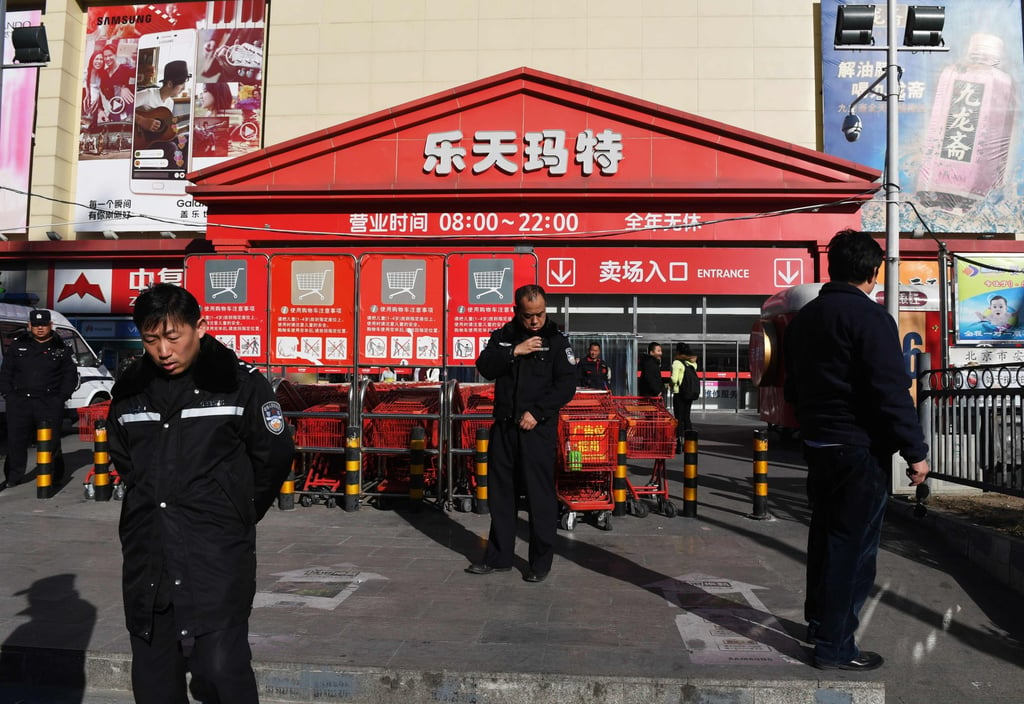
Official boycotts amid the deterioration of bilateral relations could stymie progress witnessed. Even so, governments adopting pragmatic approaches that view these industries as integral components of the region’s social and economic infrastructure can preserve these critical economic ecosystems and promote local prosperity.
This is an important policy question as East Asian cultural economies benefit local consumers, retailers and sellers amid oil price volatility and supply chain disruptions from the crisis in the Middle East.
In light of this, governments should consider undertaking state-backed investments in production houses, preserving cultural artefacts and easing tourism restrictions. Development planning models with official support for licensing agreements, protection of intellectual property rights of cultural products and greater accessibility for incoming travellers will allow the East Asian cultural economy to remain resilient and benefit from multiple distribution channels and audiences to multiply.
It is evident that projection of soft power is not being confined to image-building exercises in East Asia. Local economies are benefiting from consumerism, serving as key conduits for neighbouring societies and businesses to interact and generate revenue for economic prosperity. To the region’s credit, political frictions have not prevented the thriving of human-centred accounts and economic relations.
KioskNews shows a cleaned-up reading view extracted from the publisher’s page — the original always lives on their site, not ours.