Everyone needs a death to-do list – here are 25 things to sort out while you're alive
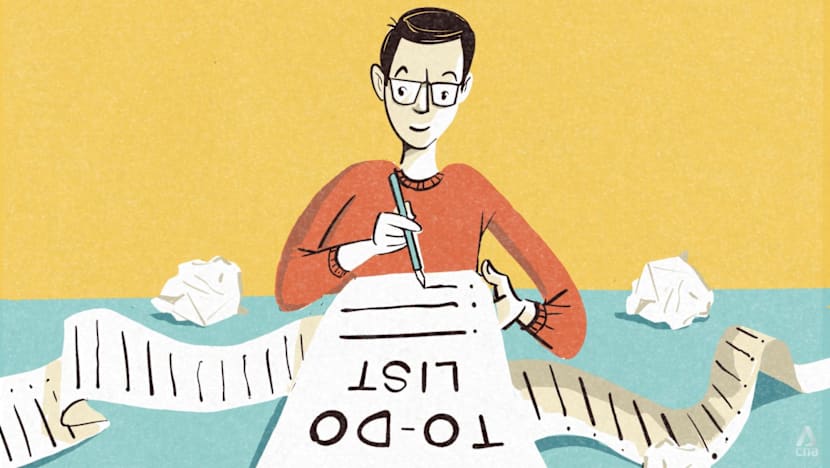
Of all life’s milestones, death is the least planned for but the only one that is guaranteed. Advance death planning is one of the most loving acts a person can do for their loved ones.
A 2025 Singapore Management University survey found that more than half of Singaporeans have neither spoken about nor written down their final wishes.
“We live in an Asian society where death and grief are seen as taboo topics,” explained Jeanice Cheong, clinical psychologist at Bright Psych of Life.
However, it can be “overwhelming” for grieving loved ones to handle practical post-death issues. “Advance death planning can take some load off bereaved caregivers,” Cheong added.
After spending a lifetime building a home, family, friendships, assets and a well-loved life, it is worth dedicating some time to sorting out loose ends for loved ones, not just to ease their burden and give them closure, but also to help them better understand the life you have built.
A “death to-do list” covers everything from your will and funeral wishes to passwords and where important documents are kept. Store key information in a document shared with someone you trust, updating it as needed. Keep passwords, PINs and recovery codes separately, and let your executor know how to access them.
The best time to plan is now, rather than wait for a serious illness or advanced old age, because one cannot tell what will happen.
For a start, here are 25 things to consider. But don’t feel any pressure to tackle them all at once – focus on one or two things at a time.
After all, a death to-do list is not just about preparing for death. It can also give you more clarity on your priorities, values, relationships and what really matters in life.
FUNERAL WISHES
Plan your own funeral rather than leave your family to second-guess your wishes, down to how long you’d like your wake to be, music, prayers, and what to do with your ashes after cremation.
1. Portrait and clothes
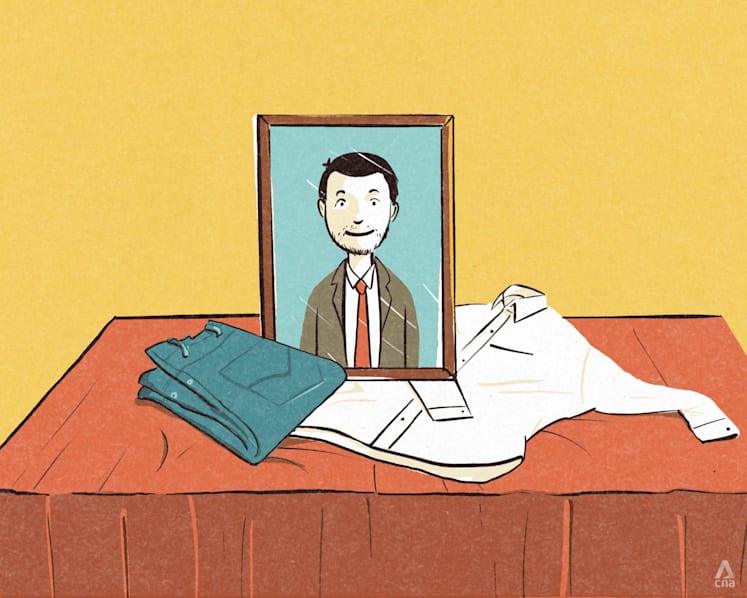
Decide which portrait and outfit you'd like, and where they can be found.
2. Last rites
This is especially important if you or family members have different beliefs.
Johnathan Lee, a lawyer at Fong & Fong LLC, whose family owns Nguan Gratitude Services, a funeral business, told CNA Lifestyle that they have seen “more than one set of rites performed for the same person because the family could not agree on which was correct.”
3. Who takes care of the funeral and gives a eulogy
Decide who will oversee your funeral and give the eulogy to reduce confusion and conflict among family members.
4. Contact list
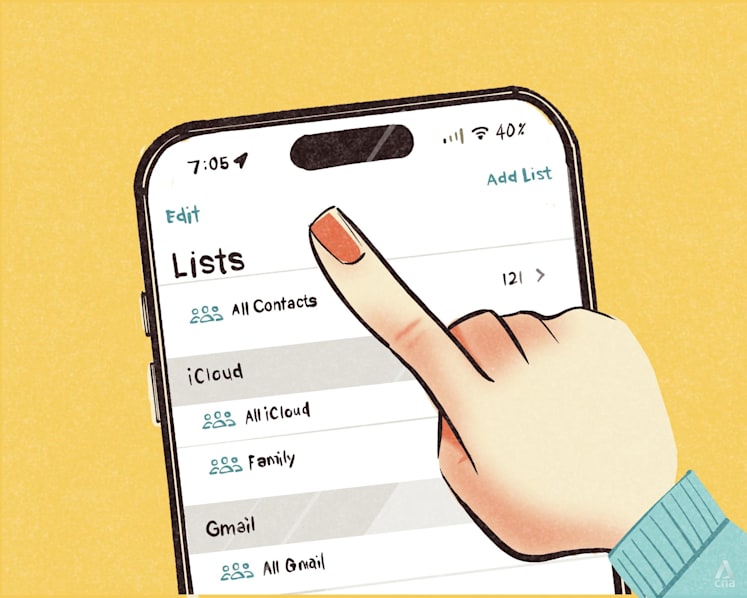
Include key contacts such as relatives, close friends and your employer.
“While you are healthy, link caregivers up with significant people in advance so they know who they can approach for support after your death,” added Cheong.
WILL
A will is not just for dividing assets. It can protect children who are minors, beloved pets and family harmony.
5. Guardianship and trust
Parents can appoint a guardian in their will to care for their children if they die, and trustees to manage assets left to them until the age specified in the will, said Lee.
6. Sentimental items

Specify who should inherit sentimental items such as watches and jewellery. Otherwise, disputes may result in the executor selling them and dividing the proceeds, Lee said.
7. Letter of wishes
A letter of wishes can explain your decisions on dividing assets, choosing guardians and trustees, and making funeral arrangements.
“Someone was left out. Someone was favoured. Someone nursed a parent for six years while someone else appeared only at Chinese New Year. The letter of wishes alongside your will is where you say why one child received more and another less, so that no one has to guess at the intentions,” explained Lee.
8. State where your will is
Tell your executor where your will is kept and consider registering it with the Wills Registry. You can also leave it with the firm that drafted it or with a custody service. If it cannot be found, your estate may ultimately be distributed according to the law, said Lee.
9. Pets

You cannot will anything to your pets. Instead, ask a trusted person if they are willing to care for your pet, bequeath it to them in your will, attach a cash legacy, and set out in the will your wishes for how the pet is to be cared for, Lee suggested.
ASSETS
“Your executor’s first job is not to distribute your estate. It is to discover it,” said Lee.
10. List all your bank and investment accounts
Without this information, “it is not uncommon for lawyers to be instructed to write to multiple banks and other institutions to ask whether the deceased kept any accounts with them,” Lee said.
11. Cryptocurrency accounts
If your cryptocurrency is on an exchange, the executor of your will can generally claim and distribute it as part of your estate, Lee said. However, cryptocurrency in a private wallet can only be accessed via the private key, so be sure the key reaches someone you trust, he advised.
12. Insurance policies
List your insurance policies, including the insurer, policy number and your financial adviser’s contact details so your family knows who to reach to make a claim.
13. Safe, self-storage units and cash stash
Make a list of these and include keys. “Assets that only you know exist are assets that exist only to you after you have passed,” said Lee.
DEBTS
These must be settled before assets in your will can be distributed, Lee said.
14. Mortgages, bank loans and car loans
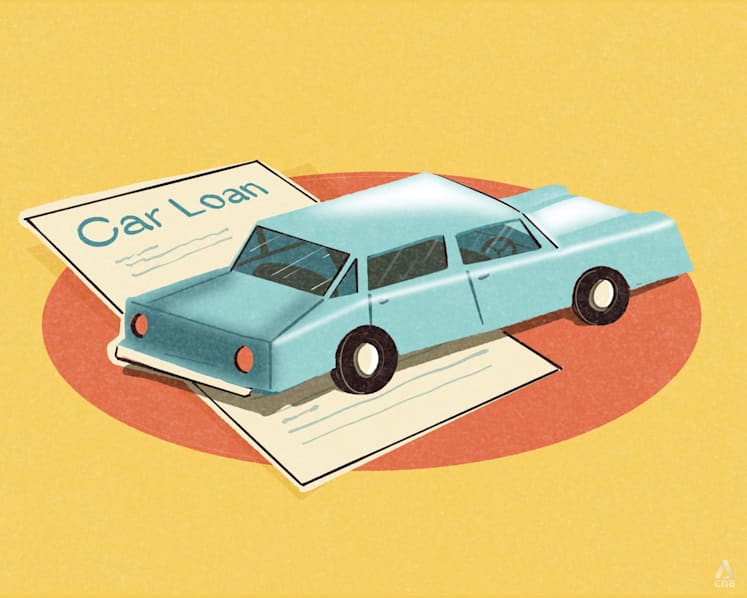
List the bank that holds your mortgage, the outstanding balance and any mortgage insurance. For car loans, note the finance company so your family can continue repayments or sell the car.
15. Credit cards and personal loans
List credit cards and personal loans, including money owed to or by friends and relatives, so these can be settled.
END-OF-LIFE PREFERENCES
The period before death can also be extremely stressful. Planning can reduce unnecessary uncertainty and disagreement, said Dr Kok Jaan Yang, senior consultant, division of palliative care, National University Cancer Institute, Singapore.
Lasting Power of Attorney
Conditions such as dementia or brain injury can affect decision-making capacity, said Dr Kok. A Lasting Power of Attorney (LPA) allows someone you appoint to make decisions about your personal welfare, property and financial affairs if you lose mental capacity, he explained. As of Apr 1, 2026, Singapore citizens do not have to pay an application fee for LPA Form 1, although a fee is still payable to the certificate issuer.
Advance Care Planning
“Advance Care Planning (ACP) is a process of discussing your values, treatment preferences and care priorities for a future situation in which you may be unable to make decisions yourself,” Dr Kok explained. It is a discussion facilitated by a trained ACP facilitator and registered in the National Electronic Health Record.
Advance Medical Directive
“This legal directive allows you to refuse extraordinary life-sustaining treatment that only prolongs the process of dying without offering a cure or chance of recovery in advance. It only takes effect if you are unconscious, assessed by your treating doctor to be terminally ill and there is no reasonable prospect of recovery,” Dr Kok added.
Collapse Expand
SUBSCRIPTIONS AND MEMBERSHIPS
Death does not automatically end subscriptions and memberships, so note what your family should continue paying for or cancel.
16. Utilities, broadband and other expenses
A family member needs to take over these so the household can continue to run smoothly. List household bills and expenses you pay, including utilities, broadband, condominium charges, school fees or your parents' medical bills.
17. Recurring subscriptions
Include streaming, AI, productivity, cloud storage, gaming and mobile subscriptions.
18. Memberships
If you have other memberships or services that auto-renew, note them down. This includes gym, yoga, clubs, professional association memberships as well as season parking.
YOUR DIGITAL LIFE

A lot of your private data and personal memories live online. Give clear instructions on how your online accounts and data should be handled.
19. Phone and devices
Make sure a trusted person has access to these and knows where to find the passwords.
20. Cloud accounts
Apple and Google both have legacy features that allow you to decide in advance who can access data such as photos and other files upon your death, or in Google’s case, after a chosen period of account inactivity, said Lee.
21. Email accounts
Email accounts hold important financial information and are often used to reset passwords for bank, subscription and other accounts. Decide whether you want your family to access or close your accounts.
22. Social media accounts
Give clear instructions whether you want these deleted, memorialised or preserved. Facebook, for instance, allows you to appoint a legacy contact for a memorialised profile, though they cannot read your private messages, said Lee.
EVERYDAY NEEDS
Give family members an inventory of where important things are kept, and what needs to be done.
23. Important documents and keys
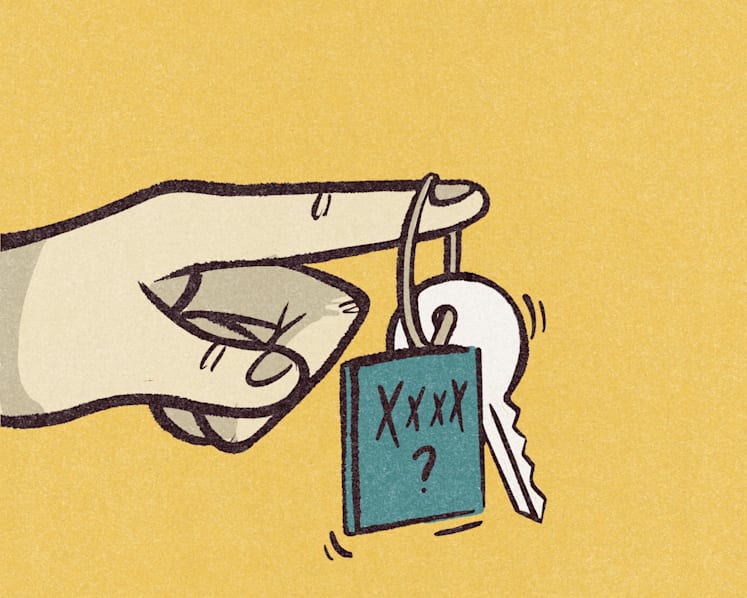
List where you keep property title deeds, rental agreements, birth certificates, passports, your marriage certificate and divorce papers, where applicable. Note where you’ve kept keys to the safe and drawers, as well as spare home or car keys.
24. Instructions for dependents
If you care for elderly relatives, children or pets, leave instructions covering their care, medication, appointments, classes, as well as important contacts and documents.
25. Legacy items
Lastly, it is a good idea to write letters for loved ones to open on important birthdays or milestones, record a video or audio message, or create handprints and other keepsakes, suggested Dr Kok Jaan Yang, senior consultant, division of palliative care, National University Cancer Institute, Singapore (NCIS). “They can become very precious memories for families after someone dies.”
KioskNews shows a cleaned-up reading view extracted from the publisher’s page — the original always lives on their site, not ours.