UK military sends specialist ‘hunt’ missions overseas to thwart hostile hackers

The UK military is deploying “hunt forces” overseas in order to thwart enemy hackers preparing to attack Britain’s defence systems.
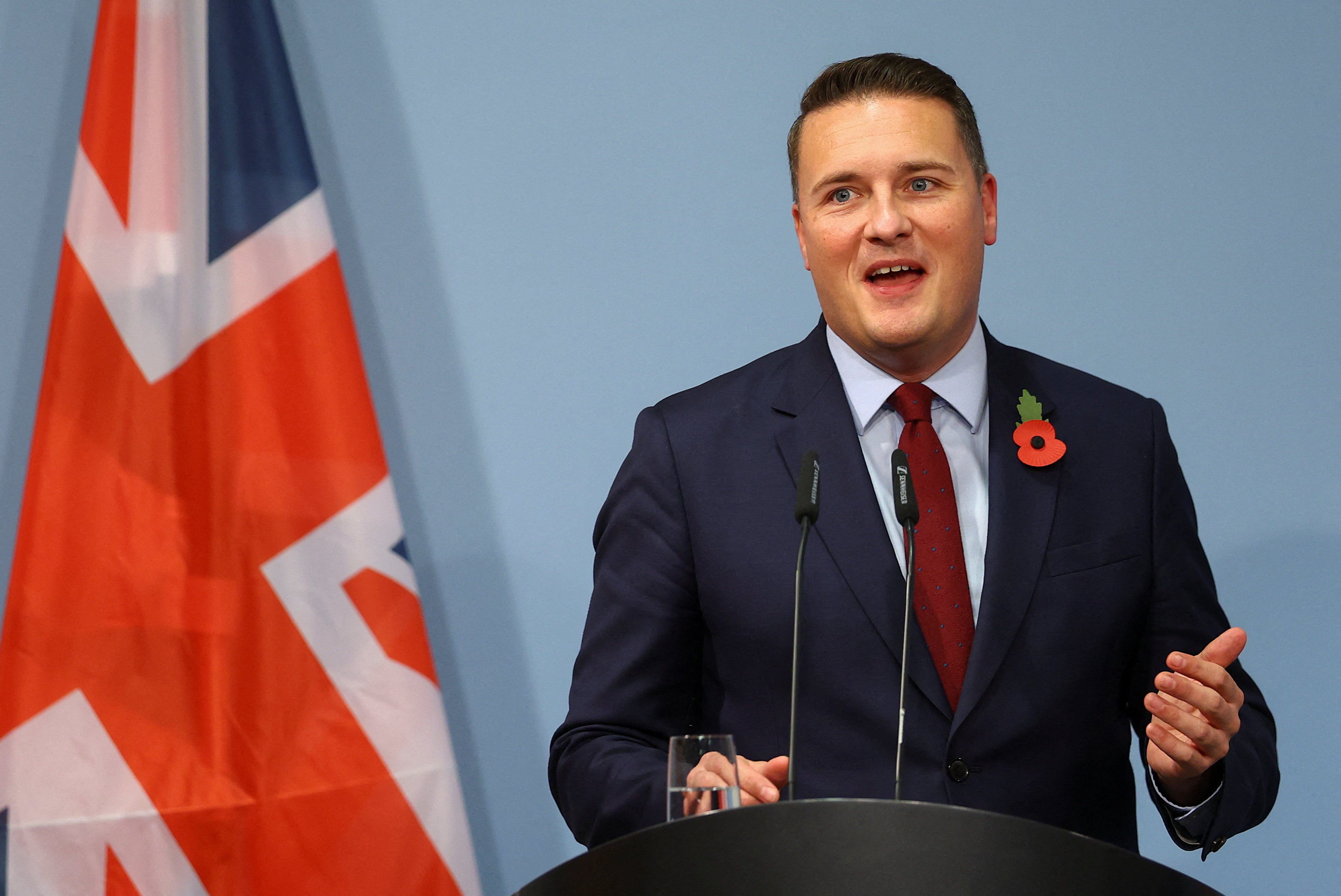
Troops are reportedly being dispatched to places including Asia and Europe to stop cyber-operations before they escalate into a large-scale attacks as part of specialist activity that often requires approval from defence secretary Wes Streeting.
Major General Mike Fayers, the commander of the Defence Cyber and Electromagnetic Force (DCEMF), told The Times that the Ministry of Defence was having to respond to cyber vulnerabilities in a matter of minutes due to the escalating impact of AI.

“Our adversaries are very cunning. This is not just an MoD issue, this is a whole-of-UK challenge,” he said.
It comes after a wave of cyberattacks across Europe in the past few weeks targeted fridges and freezers. A small number of UK freezers were also impacted by the hack, which saw cybercriminals turn the temperatures up via remote access.
“We’ve seen AI now exploiting vulnerabilities at a speed we have not seen before. Whereas historically we would have had a few days to fix vulnerabilities, we are now in double-digit minutes to respond to those vulnerabilities,” Maj Gen Fayers said.
He explained in the interview that the “hunt force” meant that a team of people was physically going to locations to virtually hunt for those trying to attack British military systems.
Soldiers, sailors and aviators were being deployed on land, by boat, ship or aircraft to countries across Europe and Asia to disrupt hacking plots, the newspaper reported.
“Whereas historically we have defended on our territory, we are now defending ourselves forward of our own networks,” he told The Times. “We are trying to hunt for our adversaries in places where they prepare before they target UK military systems.
“I mean sending people physically to places to virtually hunt for the adversary to protect our systems.”
He said he hoped his force, which was unveiled during last year’s strategic defence review, will increase in size over the coming years.
He told the newspaper that the team combined defensive cyber-activity with electromagnetic warfare to protect troops from enemy detection and jamming.
The government has advised Britons to stockpile food, water, medicine and wind-up radios, after Mr Streeting warned that hostile powers could launch cyber attacks on key infrastructure.
These attacks could wreck supply chains or make businesses’ payment systems fail, he said, while natural risks such as flooding and wildfires also pose a threat.
The Independent has contacted the Ministry of Defence for comment.
KioskNews shows a cleaned-up reading view extracted from the publisher’s page — the original always lives on their site, not ours.