All 36 Episodes Of This British Gangster Series Deliver Quality Over Quantity

Cathal Gunning has been writing about movies, television, culture, and politics online and in print since 2017. He worked as a Senior Editor in Adbusters Media Foundation from 2018-2019 and wrote for WhatCulture in early 2020. He has been a Senior Features Writer for ScreenRant since 2020.
While Netflix’s iconic gangster series might only have 36 episodes across its entire run, it is hard to argue with this quality over quantity approach when the show is so good throughout. The emergence of streaming as an alternative to traditional network TV has radically changed the way that shows are produced for both mediums, and the format shift has resulted in the traditional rules of television seasons essentially becoming meaningless.
Although early seasons of South Park had between 15 and 25 episodes, contemporary outings of the long-running animated satire series now have around five or six episodes apiece. As recently as 2020, Chilling Adventures of Sabrina produced 36 episodes across two seasons in the span of only two years while, only two years later, Netflix’s superficially similar Addams Family spinoff Wednesday produced a mere 16 episodes over two seasons in four years.
As the economics of TV production change, with streaming seemingly favoring shorter seasons and longer breaks while network TV moves between traditional longer seasons and hybrid streaming exclusive specials, opinions on the development are split. Some classic shows, like the iconic murder mystery Twin Peaks, might have benefited from shorter seasons, while some genres like sitcoms are uniquely suited to longer runs. However, Netflix’s uniquely superb gangster series Peaky Blinders undeniably makes a convincing argument for shorter seasons.
Peaky Blinders Never Dips In Quality
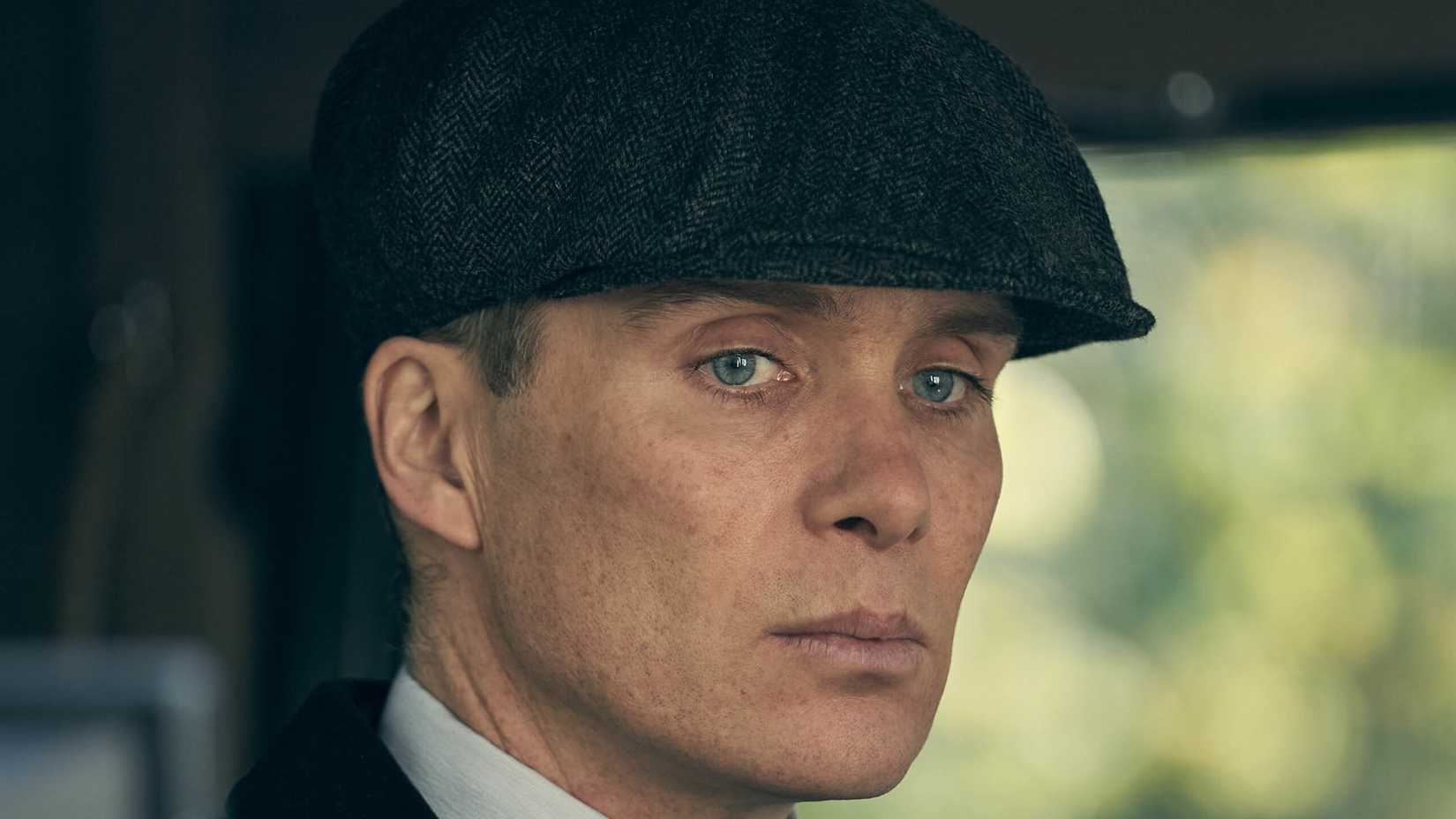
There is no shortage of great mob TV shows, from classics like The Sopranos to underrated modern masterpieces like the Irish crime drama Kin. However, Taboo creator Steven Knight’s Peaky Blinders remains an impressive achievement in the genre as the British historical crime series managed to merge the trappings of period dramas and modern mob thrillers into a show that still felt tonally cohesive.
Set in a devastated Birmingham in the aftermath of World War 1, Peaky Blinders follows Cillian Murphy’s unflappable Tommy Shelby as the ambitious criminal turns the titular street gang into an unstoppable force. As the series continues, the Peaky Blinders expand their operations under Shelby’s leadership, but simmering tensions in his volatile family result in feuding, in-fighting, and tragedy with each passing season.
Like The Godfather’s Michael Corleone before him, Tommy gradually comes to learn that his criminal empire has come at the cost of his family losing their cohesion, with internal issues fragmenting the gang as outside forces close in on them. Compared to its spiritual predecessor, the acclaimed Irish gangland drama Love/Hate, Peaky Blinders offers a more romanticized vision of organized crime, but the show is no light-hearted binge-watch.
Short Seasons Helped Peaky Blinders Deliver Quality Over Quantity
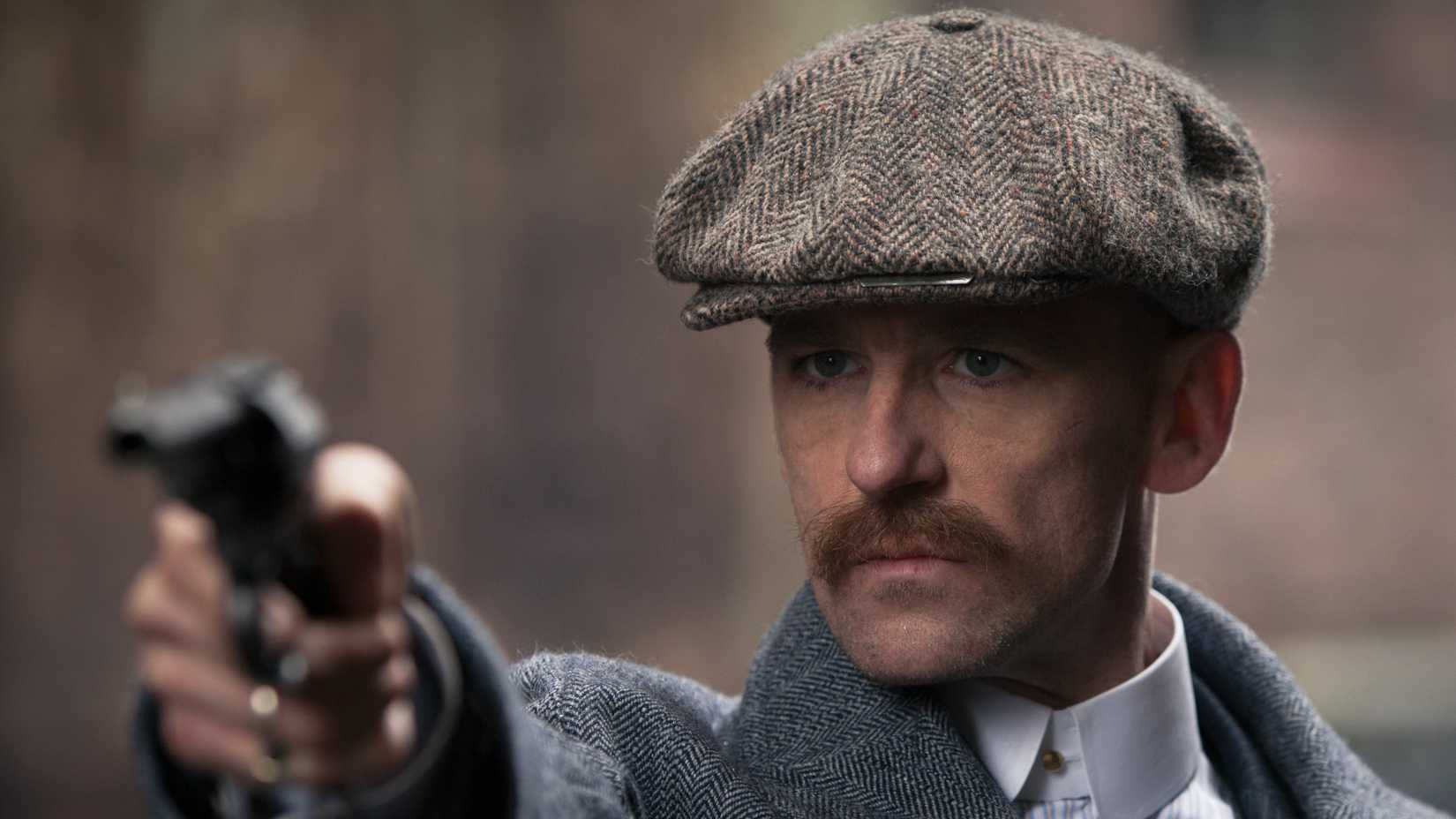
That said, Peaky Blinders manages to keep its story moving at such a clip that viewers never grow weary of its downbeat descent into gang warfare, and this is thanks in part to the Netflix hit’s brief seasons. With only six episodes apiece, each season of Peaky Blinders jumps ahead to introduce new players to the world of the series, with the show even taking its characters abroad to new settings more than once in its short run.
With one of the greatest TV casts ever assembled, including stars like Tom Hardy, Aiden Gillen, Cosmo Jarvis, Stephen Graham, Anya Taylor-Joy, and many, many more, Netflix’s Peaky Blinders used its limited screen time to great effect. Rather than allowing the show’s shorter run to limit its ambitions, Peaky Blinders instead treated every episode as a miniature movie in its own right.
The result was a period drama that felt visually cinematic thanks to its lush production values, but with a more complex, sprawling, and intimate story than even the most generous movie’s runtime could ever allow. Thus, Netflix’s Peaky Blinders became a modern classic of the mob show genre not despite its short seasons, but because of them.
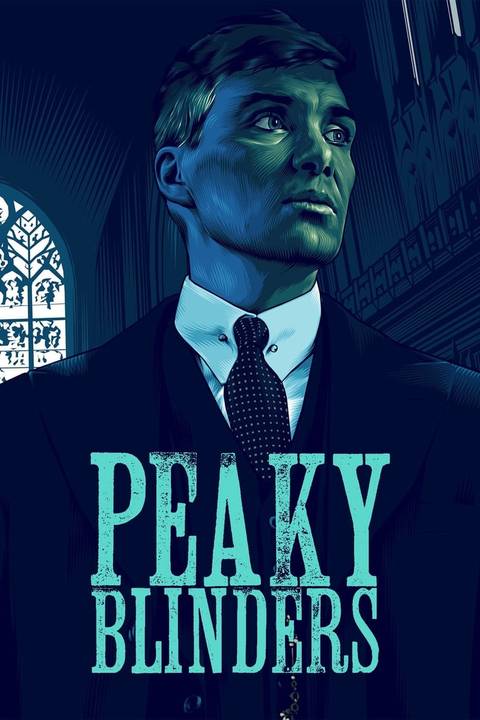
- Release Date
- 2013 - 2022-00-00
- Network
- BBC One, BBC Two
- Showrunner
- Steven Knight
- Directors
- Anthony Byrne, Colm McCarthy, David Caffrey, Otto Bathurst, Tim Mielants, Tom Harper
- Writers
- Stephen Russell, Steven Knight, Toby Finlay
KioskNews shows a cleaned-up reading view extracted from the publisher’s page — the original always lives on their site, not ours.