Forget The Iron Giant, This 1999 Isaac Asimov Sci-Fi Is The Most Brutal Spielberg Movie He Never Made

Simon Gallagher has worked in movie and TV journalism for more than 17 years. He has written more than 6000 articles and reviews, and edited thousands more. He is an expert in the entertainment industry, particularly in the golden age of screen superheroes. Simon is also a Rotten Tomatoes approved critic.
Adapting sci-fi legend Isaac Asimov into movies or TV shows has always proven to be a challenge for Hollywood. He was a creator of compelling ideas, but his approach to writing was never particularly cinematic, prioritizing the sharing of concepts over compelling characters or recognizable narrative structures. In fact, if you didn’t know better, you’d assume he was writing unadaptable stories purposefully.
Besides The Foundation, which handles Asimov’s source material surprisingly faithfully (in comparable terms at the very least), adaptations of his books largely avoid faithfulness, changing liberally to make them fit the vessel. His work is almost the antithesis of someone like Steven Spielberg’s approach to storytelling, which contributed massively to the modern blockbuster vernacular. Asimov, one suspects, would never be particularly bothered by the same things that drive a great Spielberg - heart, wonder, and humanity.
But in 1999, Chris Columbus, at one time considered Spielberg’s heir apparent and his protege, took on the almighty task of adapting Asimov for a Spielberg audience. Frustratingly, his heartwarming meditation on the nature of existence with a robot star ended up being massively overshadowed by another Spielberg collaborator’s take on a distinctly Spielbergian story. That movie - The Iron Giant - also focused on robotics and humanity, and made Brad Bird an instant breakthrough as a director.
There is absolutely no question that The Iron Giant is a masterpiece and that the crossover for Spielberg fans is almost irresistible, but Columbus’ Bicentennial Man - adapted from Asimov’s novelette - deserves to be considered in far greater terms than it seems to be. Particularly because it deploys Spielbergian storytelling conventions and manages to capture an even sadder ending than The Iron Giant’s notorious climax.
Bicentennial Man Is A Spielbergian Sci-Fi Gem
When it came out in December 1999, Bicentennial Man was met with harsh critical pushback and disappointing box office returns. Some of that is to be expected: by 1999, sci-fi movies had massively shifted to the edgy darkness of The Matrix or popcorn spectacle in the wake of Armageddon and Independence Day. Against those sorts of existential or philosophical threats, something as gentle as Bicentennial Man simply couldn’t compete.
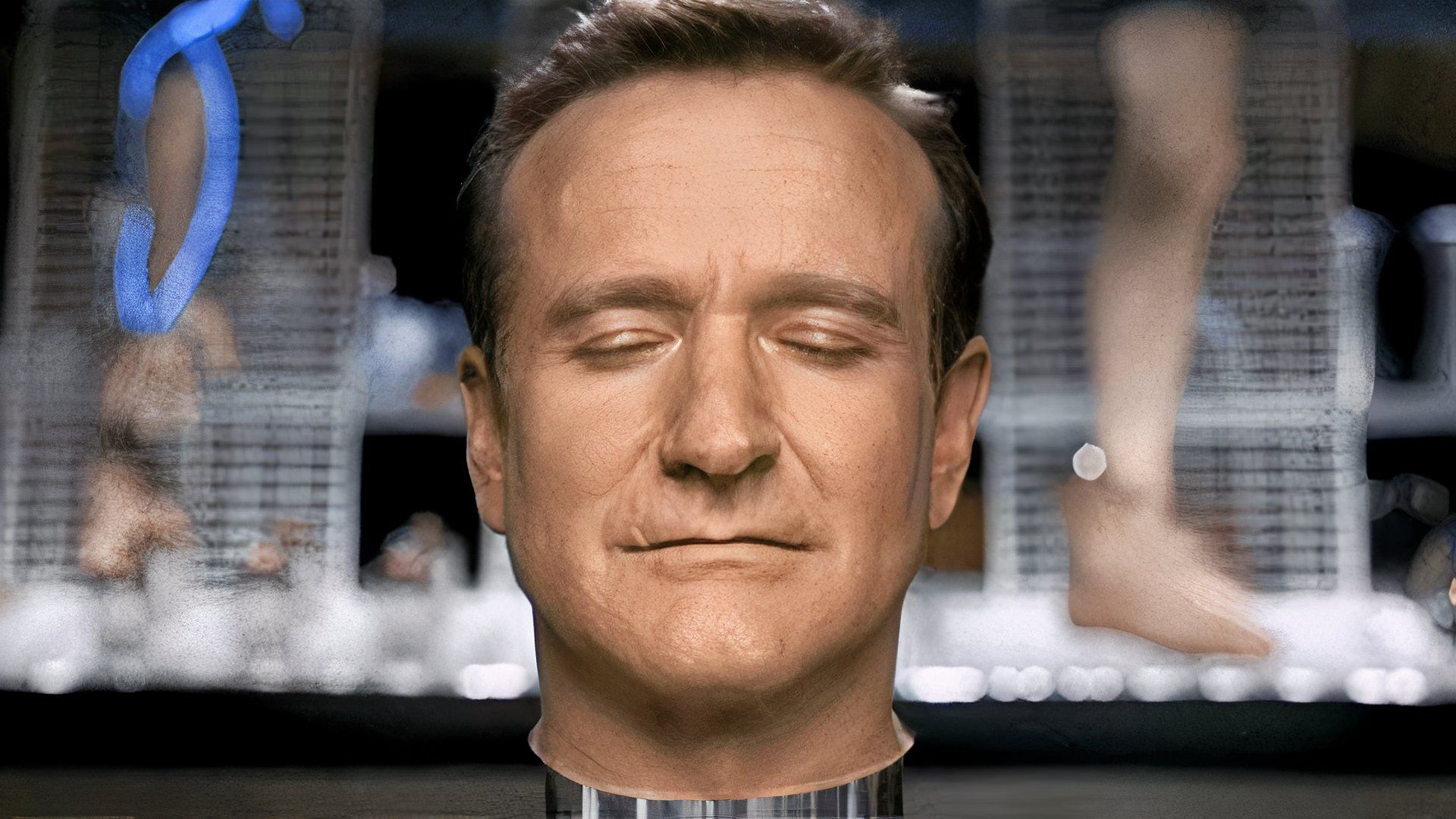
But plainly, the movie’s box office failure and the cynicism of critics all-too-happy to write it off as mawkish sentimentality buried how good Bicentennial Man actually is. Years after his career-making turn in Mork & Mindy, Robin Williams returned to his outsider roots to deliver a remarkably grounded performance as android Andrew Martin, who unexpectedly develops self-awareness. The fact that he spends the first half of the story entirely encased in metallic armor, and still manages to sell his trademark vulnerability and warmth, is simply incredible.
Composer James Horner also provides one of the most stunning scores heard in any 1990s movie - in fact of any movie ever made - which elevates the story and adds exactly the right heart. And there’s real depth beneath the surface too: screenwriters Chris Columbus and Nicholas Kazan adapted Asimov's novellette with remarkable care, despite having to change so much of it, crucially honoring the sci-fi great’s intellectual curiosity without going too far.
Bicentennial Man Was Horribly Underrated
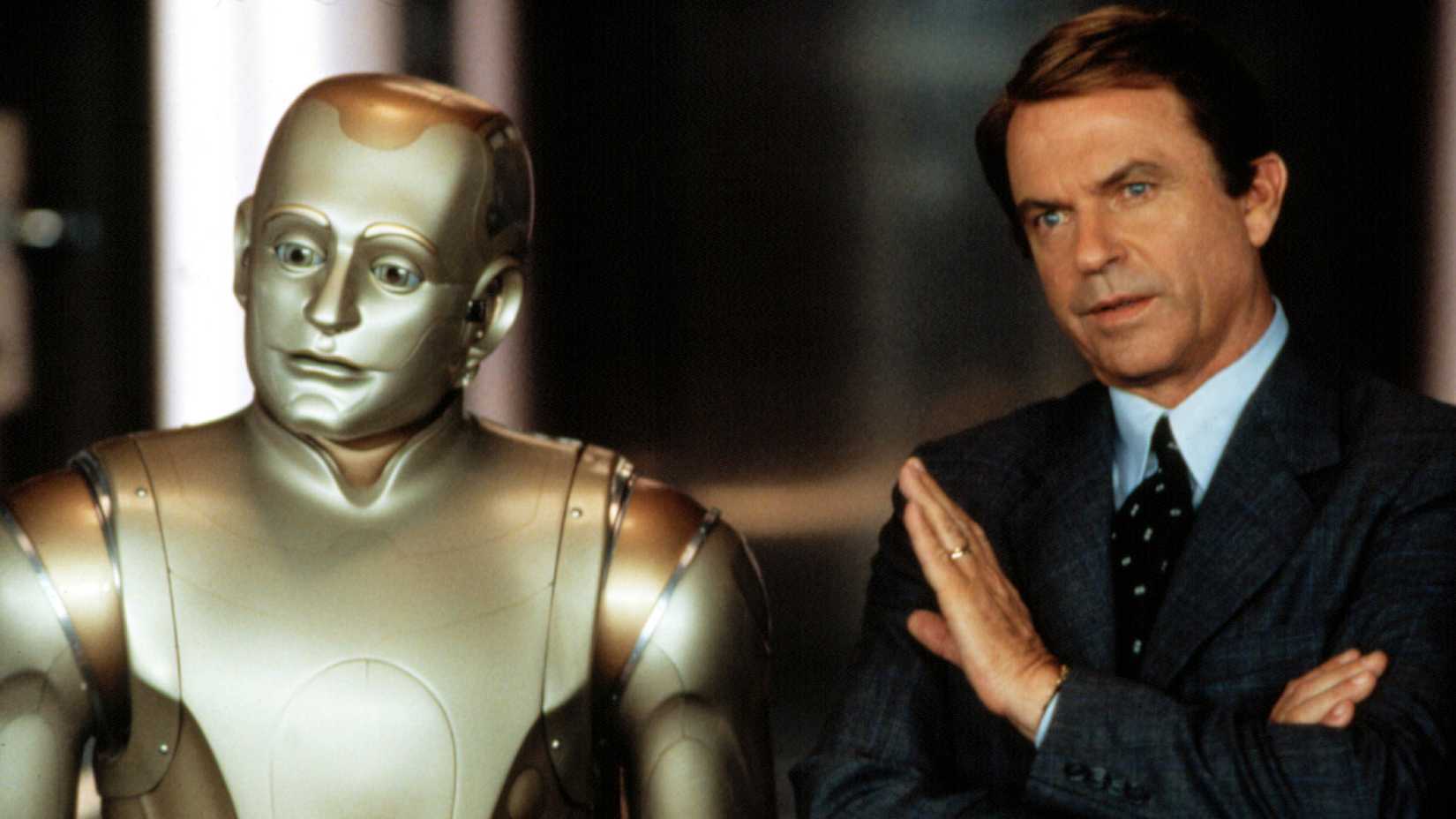
For fans of Steven Spielberg’s cinematic speculative fiction, Bicentennial Man should feel like it fits the iconic director’s blueprint seamlessly. The story obviously treads very similar ground to A.I. Artificial Intelligence, which Spielberg would release just two years later, asking what happens when inorganic life possesses a soul purer than the world around it.
Columbus offers an unapologetically sentimental lens to the story, as you feel Spielberg would have to either Bicentennial Man or The Iron Giant had he directed them, offering a look at seemingly inevitable technological progress through a deeply personal, domestic eye.
And while The Iron Giant is constantly lauded for its devastating ending, Bicentennial Man’s outstrips it as 1999’s true saddest family sci-fi movie. The giant robot’s sacrifice is definitely affecting, but there is a note of hope very quickly established that he will simply return after the credits roll; Bicentennial Man, on the other hand, is fundamentally about the finality of death. Andrew deliberately replaces his indestructible synthetic components with organic tissue, embracing the frailties of humanity in order to become closer to his chosen tribe. His only hope is to be legally recognized as a human before he dies: an immortal romantic trading eternal life for the privilege of dying. It’s a beautiful tragedy that echoes Spielberg’s commitment to emotion, and it deserves far better than anyone in 1999 was willing to give it.
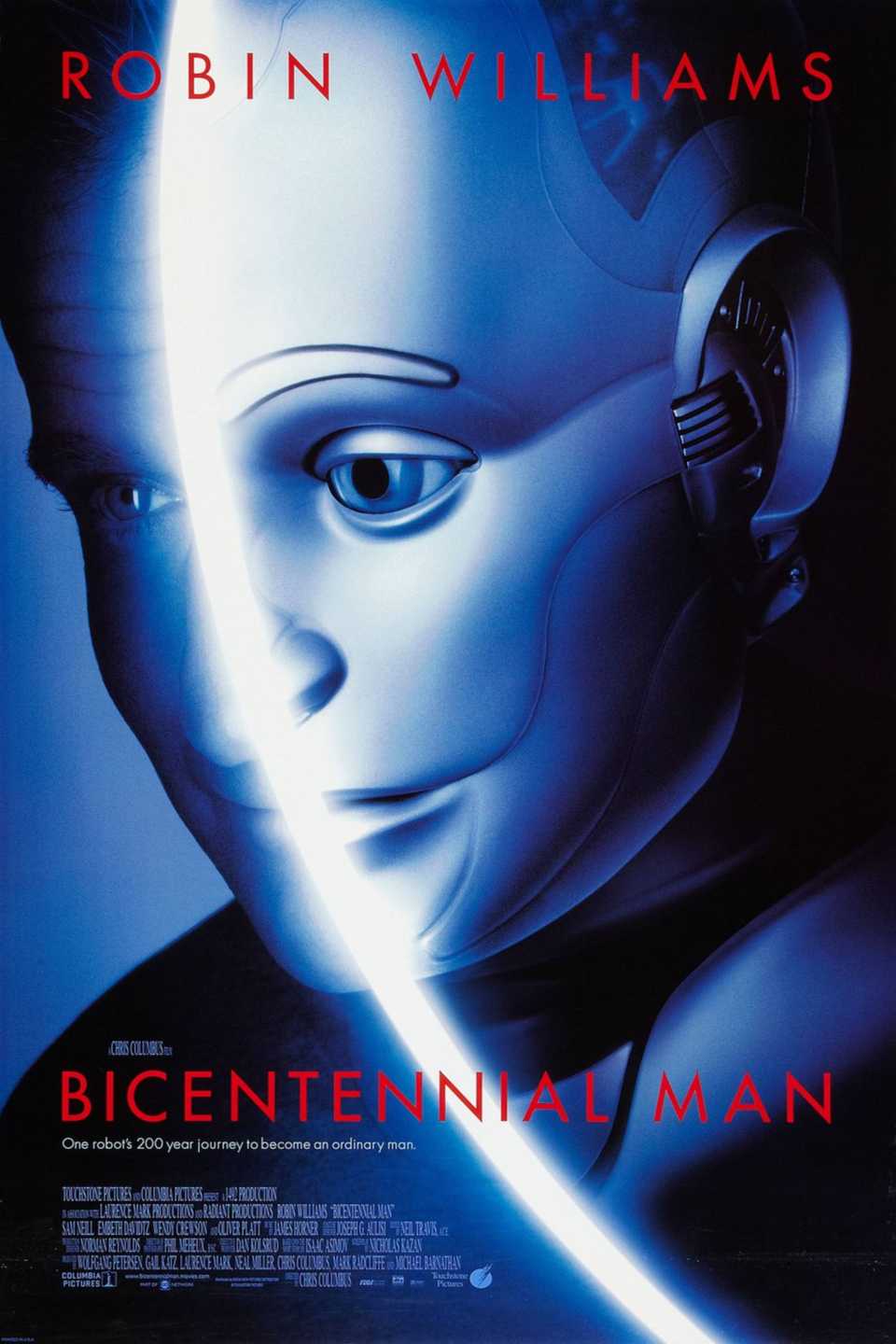
- Release Date
- December 17, 1999
- Runtime
- 132 Minutes
- Director
- Chris Columbus
- Writers
- Isaac Asimov, Robert Silverberg, Nicholas Kazan
KioskNews shows a cleaned-up reading view extracted from the publisher’s page — the original always lives on their site, not ours.