NASA's second year-long Mars simulation mission ends today
The agency will livestream the event starting at 3PM Eastern time.
NASA
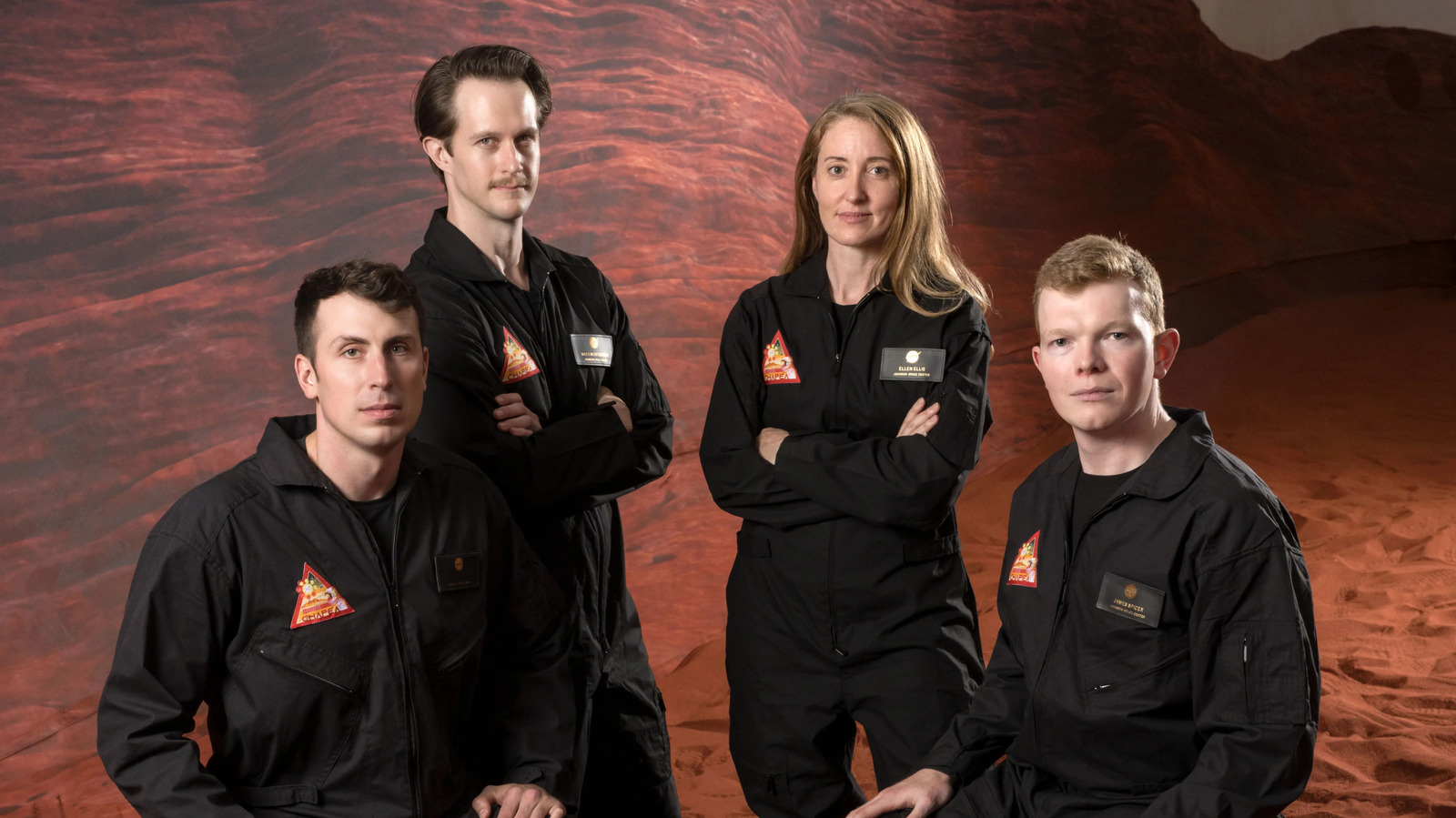
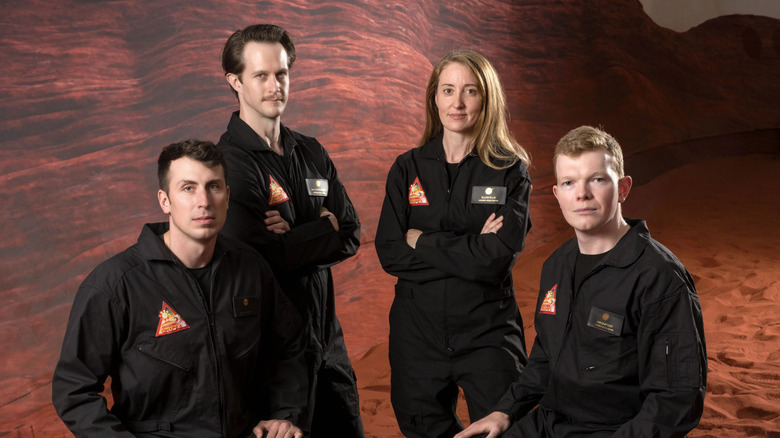
The second set of volunteers for the Crew Health and Performance Exploration Analog (CHAPEA) mission is exiting NASA's mock Mars habitat after 378 days. NASA will stream the event live on YouTube and on its social media accounts, starting today at 3PM Eastern time. Ross Elder, Matthew Montgomery, Ellen Ellis and James Spicer entered the habitat on October 19, 2025, as part of the CHAPEA mission 2 crew.
They lived inside a 3D-printed 1,700-square-foot facility on NASA Johnson grounds in Houston, Texas for over a year, conducting Mars mission operations right here on Earth. They did simulated spacewalks, performed habitat maintenance and grew plants. The crew even has to go through an airlock to leave the habitat. In addition to the isolation, the participants were subjected to other stressors future spacefarers to Mars and the moon would face, like communication delays and resource limitations.
NASA started looking for volunteers for the CHAPEA missions in 2023, and the first crew entered the habitat in June that year. The agency has already started accepting applications for the Moon and Mars Exploration Analog for another year-long experience that combines elements of CHAPEA with NASA's other space simulation experiences. That mission will begin no earlier than August 2027. NASA says data from the missions can help it optimize food system design for its future lunar missions and prepare for the other aspects of spending long stretches of time in space.
KioskNews shows a cleaned-up reading view extracted from the publisher’s page — the original always lives on their site, not ours.