Cabinet approves Integrated Transport Logistics Authority for unified road, rail planning
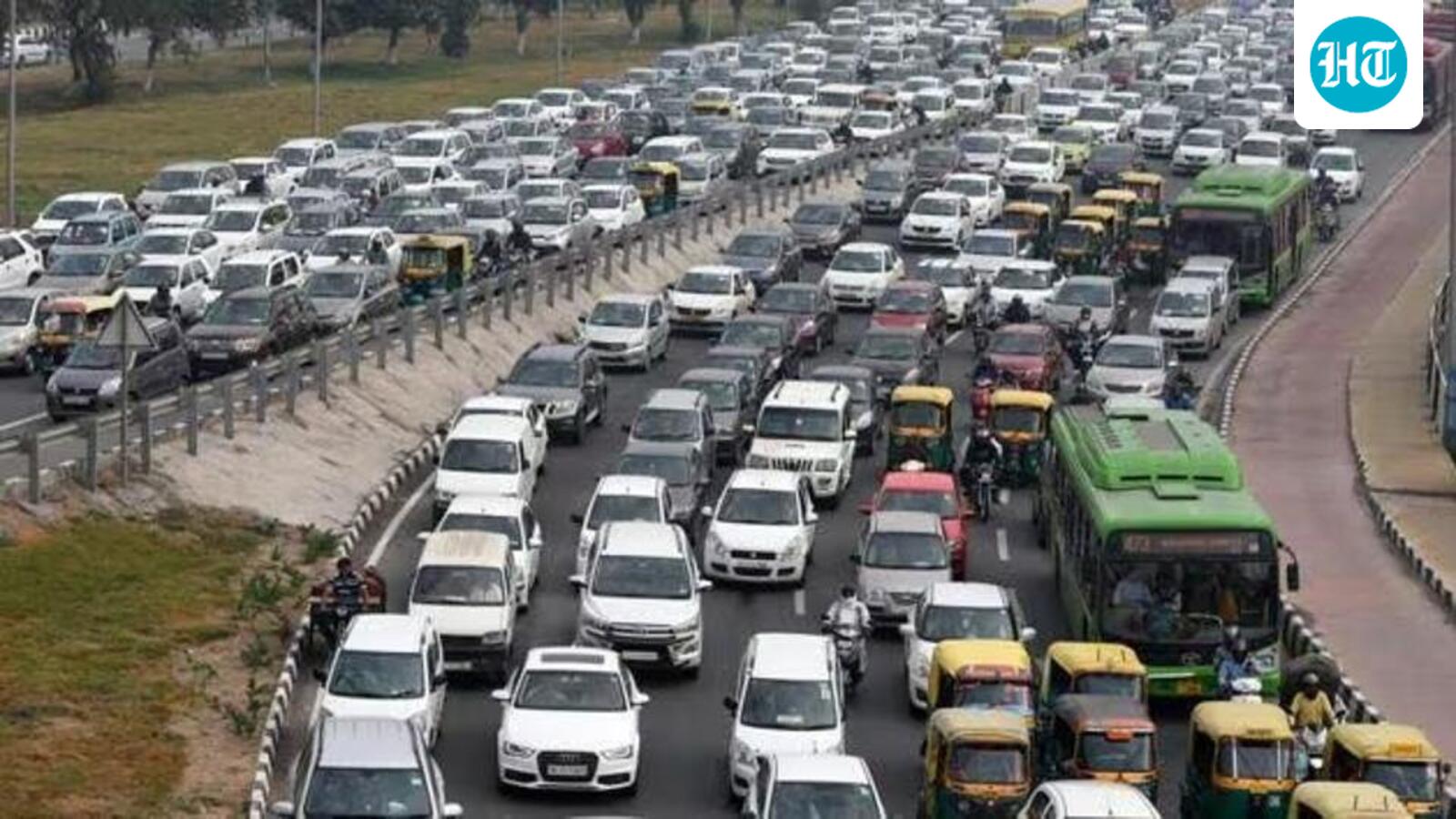
The Union cabinet on Tuesday approved the setting up of an Integrated Transport and Logistics Authority (ITLA) to draw up long-term transport plans, appraise major infrastructure projects and integrate data across roads, railways, ports, aviation, waterways and urban mobility, in a move aimed at creating a unified framework for transport planning.
“The requirement of logistics is increasing. Practically, if GDP grows by 7%, the logistics requirement grows by 10%,” Union railway minister Ashwini Vaishnaw said while addressing reporters after the Cabinet meeting on Tuesday.
Vaishnaw said the authority was being created to ensure infrastructure planning keeps pace with changing requirements. “Today, if we are planning, we have to see what will be the requirement 10 years from now — what will be the requirement of roads, what will be the requirement of airports, what will be the requirement of seaports. All these things have to be studied together,” he said.
ITLA will prepare a comprehensive National Transport Master Plan with a planning horizon of 10 years or more, covering roads, railways, ports and shipping, civil aviation, inland waterways, coastal shipping, urban mobility and logistics. It will also evaluate short-term sectoral plans of about five years and annual plans of transport ministries against the longer-term national master plan.
“All the major infrastructure ministries, all the infrastructure sectors, should come together as a comprehensive, synergistic group and plan transport,” Vaishnaw said.
The authority will technically appraise government projects costing ₹500 crore or more, while financial appraisal will continue through existing mechanisms. It will also monitor projects above ₹500 crore and undertake post-implementation impact assessments.
“Suppose there is a new railway line project, or a rail line doubling project, or a new highway project. Today, the method of operation is that the technical appraisal is done,” Vaishnaw said. “That technical appraisal will now be done under this integrated body, keeping in mind the future requirements.”
Vaishnaw said the authority would prepare prospective master plans with longer planning horizons. “Master plans of 10 years, 12 years, 30 years prospective master plans will be prepared,” he said.
A National Transport Data Repository will bring together datasets including Goods and Services Tax Network (GSTN) e-way bills, FASTag, Vahan, GPS-based systems and urban traffic management systems. The government said the repository would enable freight-flow and origin-destination analytics for planning, monitoring and impact assessment.
“Today, we have so much data — GST data, FASTag data, railway data and other data. All this data has to be taken together in an integrated way so that planning becomes data-based and data-driven,” Vaishnaw said.
The authority will also assess the impact of completed infrastructure projects to determine whether investments delivered the intended benefits. “If a highway has been built, what benefit did it give? If a railway line has been doubled, what benefit did it give? If a port has been built, what benefit did it give?” Vaishnaw said.
The move builds on the Centre’s wider shift towards multimodal infrastructure planning. The PM GatiShakti National Master Plan, launched in 2021, brought together planning across 58 ministries and departments using more than 3,202 data layers as of June 2026, according to a government publication. The National Logistics Policy, launched in 2022, was also aimed at improving logistics efficiency and reducing supply-chain costs.
The Cabinet said ITLA would also assist in reviewing and updating the National Logistics Policy, undertake capacity building and skilling, and promote research and innovation in transport and logistics. The government expects the institution to strengthen multimodal connectivity, improve infrastructure efficiency, reduce logistics costs and enhance India’s global logistics competitiveness.
KioskNews shows a cleaned-up reading view extracted from the publisher’s page — the original always lives on their site, not ours.