From rifles to drones: Is the IDF ready for the next weapons revolution? - opinion
On February 24, 1525, the armies of France and of Charles V's empire met at the Battle of Pavia in northern Italy. Regarded as one of the major turning points in military history, the battle showed how the balance of power was shifting from the armored cavalry of the Middle Ages to infantry armed with firearms.
Arquebusiers, wielding an early firearm, played a central role in the Imperial victory. Pavia was not the first victory of firearms, nor did it make the sword or the cavalry disappear overnight. The lesson that matters today is that a technological edge also depends on adapting combat methods and training.
Today, some 500 years after Pavia, we seem to be facing another military revolution, one that may prove no less dramatic.
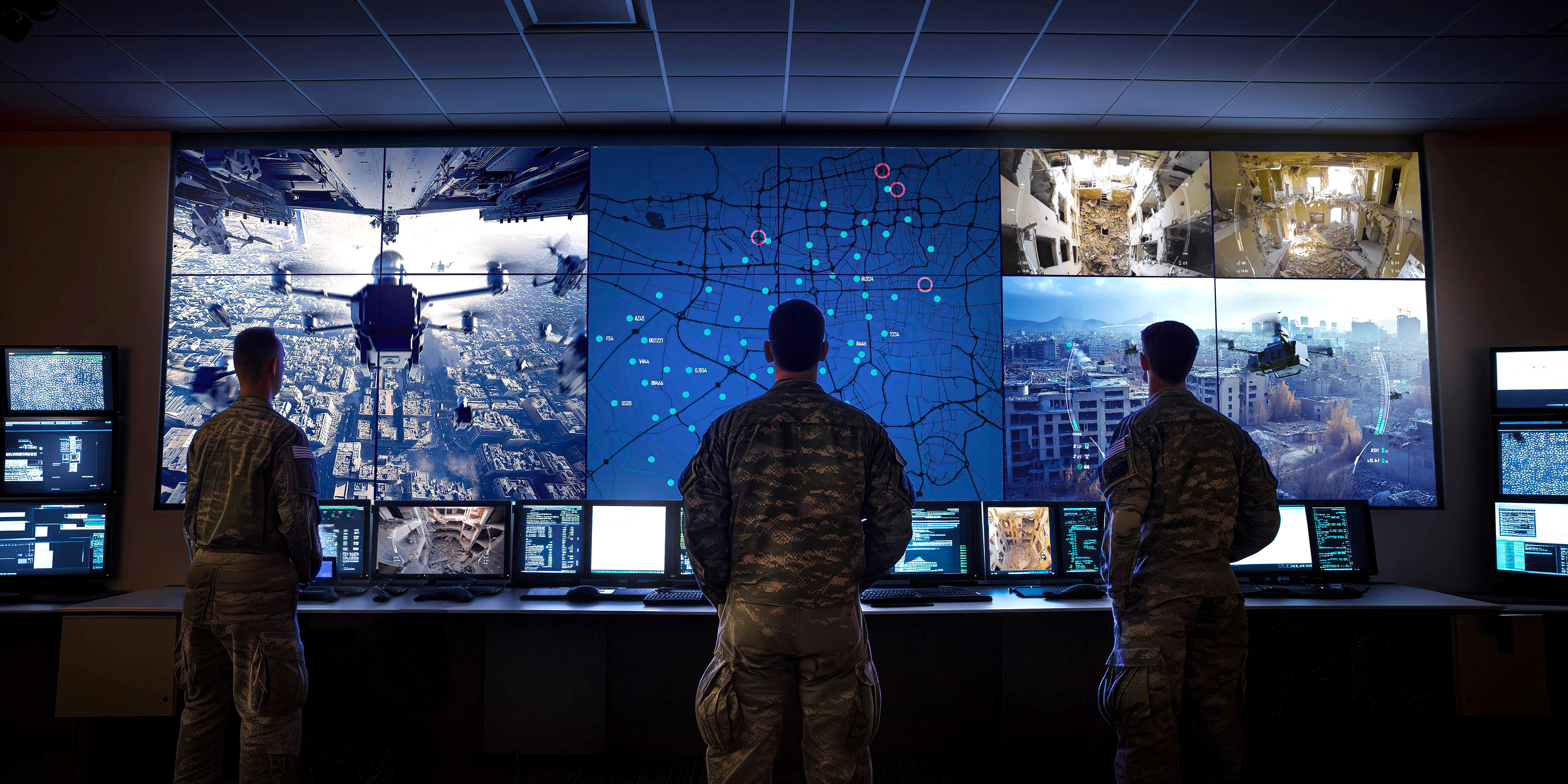
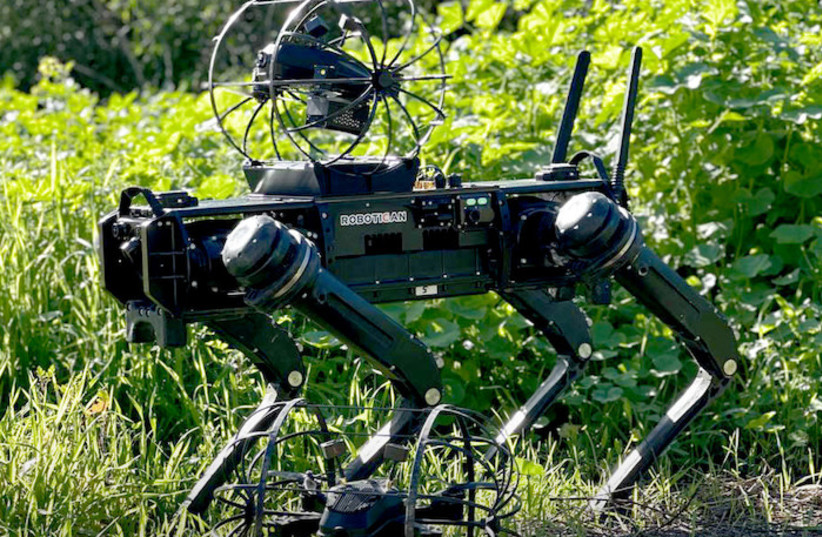
The personal weapon, which has dominated the battlefield for centuries, may lose much of its centrality to a new era of warfare: human-operated drones and robotic platforms are shifting from specialized assets to increasingly common combat tools. This shift demands a fresh look at which basic skills every soldier needs.
While much of the fighting with personal weapons has so far taken place at ranges of tens to hundreds of meters, drones allow part of it to move out to distances of kilometers.
In some missions, the fighter will not necessarily see the enemy with his own eyes or aim a rifle barrel at him. He will operate from a distance, looking at a screen and controlling a platform far away. Alongside assault and close-quarters combat, he must also be able to operate tools remotely.
The significance of this change is not merely the arrival of another weapon. As in previous military revolutions, the test also lies in training: When should a capability once reserved for specialists become a basic skill of the ordinary soldier?
Is Israel keeping pace with the revolution?
Almost paradoxically, it is precisely Israel's immense technological edge that could turn into a disadvantage.
Drones may be a relatively new weapon in this campaign, but they are not necessarily technologically innovative. The question is whether Israel's defense-technology ecosystem gives enough weight to spreading the skill of operating them.
Alongside developing autonomous drones and training professional operators, flying a drone should be regarded as a basic soldiering skill, on a par with handling a personal weapon.
The test is whether training and equipment for combat troops are keeping up with the pace of technological development.
Investment in advanced drone and robotic systems, in autonomy, artificial intelligence, and navigation, is important. At the same time, we must examine how far basic drone training reaches all combat soldiers, beyond the dedicated operators.
Not every soldier needs to become an expert FPV pilot, just as not every soldier is a sniper or an anti-tank missile operator. But basic drone proficiency should be part of every soldier's training, and it should be distinguished from the advanced proficiency of dedicated operators.
Meanwhile, on the other side of the border, our enemies do not necessarily need advanced laboratories or multimillion-dollar systems to develop drone capabilities. Simulators can enable extensive practice at relatively low cost. Such practice does not replace training in the field, but it sharpens the question of whether we are devoting enough time to acquiring hands-on skill.

In a world where operating skill is also gained through hours of practice, an army that limits training to a small number of specialists may discover that its adversaries have broader practical familiarity with one of the most significant technologies on the battlefield.
We may be developing advanced drones, but the test is also how many of our fighters know how to use the simple drones already available.
Autonomy is the future, but what do we do until then?
Israel's investment in autonomous systems, artificial intelligence, and advanced robotics is important and necessary. These technologies will continue to transform the battlefield. But the race toward the perfect autonomous drone must not come at the expense of using the cheap, simple drone that is already here.
The revolution must begin in basic training
Operating drones and robotic platforms must become an integral part of every combat soldier's training, from the earliest stages of basic training. Not an enrichment course, not a specialized track, and not training reserved for a handful of soldiers in each company, but a foundational skill, exactly as fighters learn to handle their personal weapon today.
Basic training should cover the platform's strengths and limitations, hands-on flying, and safe operation. Alongside it, each unit should define how much advanced operating capability it needs and train dedicated personnel accordingly.
We must also ask the uncomfortable question: Does the IDF's allocation of training hours still fit the battlefield of the future?
To answer it, selected training frameworks should pilot expanded drone and robotics training, measure its contribution to unit readiness and its effect on other combat skills, and update the allocation of training hours based on the findings.
The rifle of the 21st Century
Five hundred years ago, the armies of Europe had to recognize that the sword and the pike were no longer enough. Those who understood this adapted the structure, equipment, and training of their armies to the age of firearms.
Today we face a similar test.
This revolution will not be completed in the development labs of the defense industries. It will be completed only when it reaches the training bases, the firing ranges, the training grounds, and every infantry platoon.
The question is not only whether the IDF can develop the best drone in the world. It is whether it will treat the drone as the rifle of the 21st century: define basic drone proficiency for every combat soldier, allocate training time to it, and test that it has been acquired, just as it does with the personal weapon.
Gilad Gantz is an IDF reservist involved in developing military drone capabilities and co-founder of IS-Resilient, a nonprofit organization developing innovative operational solutions for combat units.
KioskNews shows a cleaned-up reading view extracted from the publisher’s page — the original always lives on their site, not ours.