They wait for the moon while on duty: For these women, duty as important as Karva Chauth fast
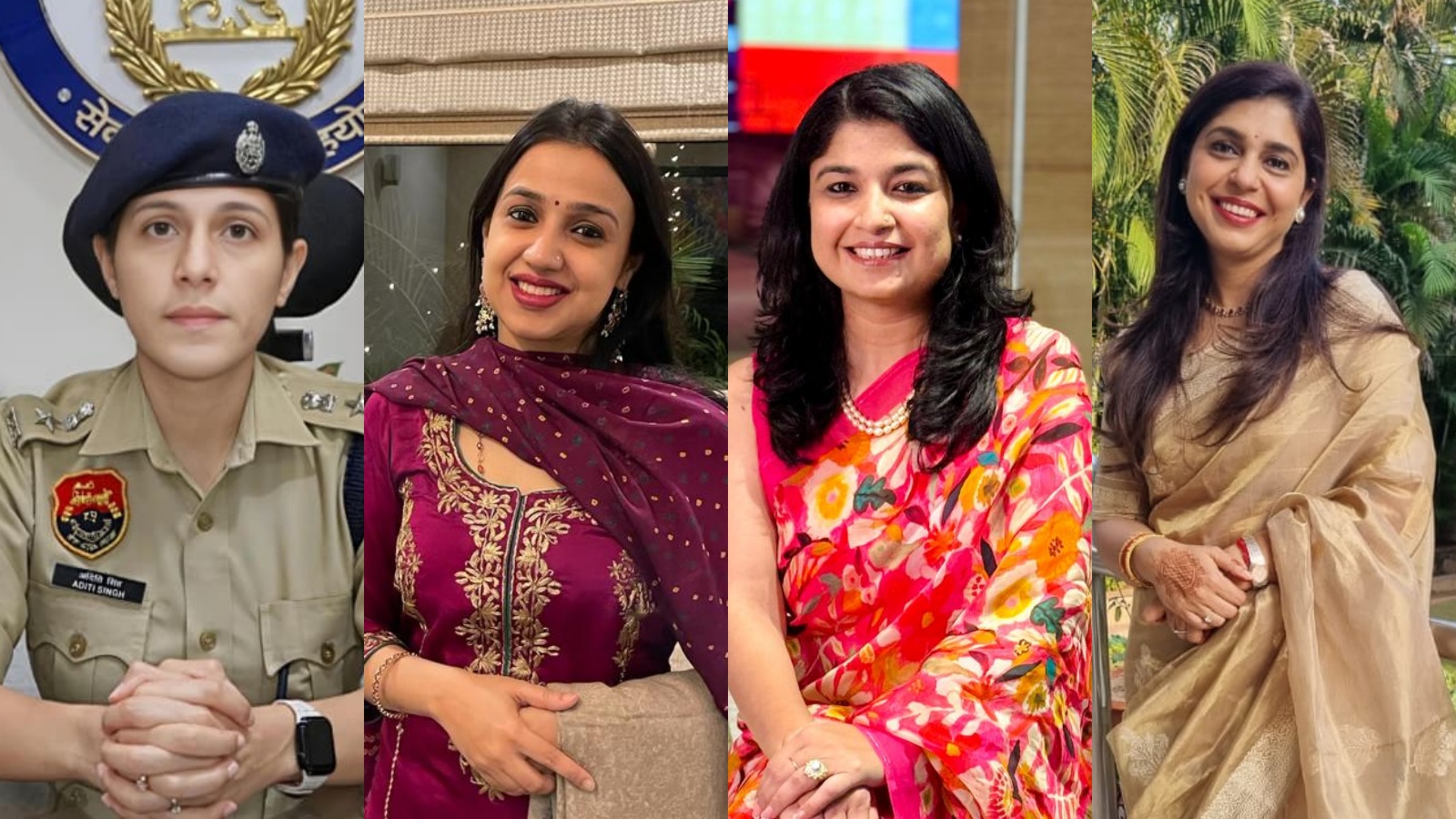
From keeping the city safe and the government machinery running to overseeing election work and serving festive sweets, these Chandigarh women have vastly different jobs, but have one thing in common this Karva Chauth or Karaka Chaturthi: despite the festival being a Restricted Holiday (RH), these professional women prefer going to work, even as the fast stretches from sunrise to moonrise.
“It feels easier to fast when I am busy and distracted. Although I avoid anything strenuous because, without food and water, I feel a bit drained by the evening. But staying busy helps keep the mind away from thinking about how thirsty you are,” says Radhika Singh, Joint Secretary, Home Department, UT Chandigarh.
For Deputy Commissioner of Police (DCP) for Panchkula Aditi Singh, it is her first festival since marriage. “Observing the festival is not necessarily about following every ritual in the traditional manner. I may not observe Karwa Chauth in the most traditional way, given the nature of my profession and the responsibilities that come with it.”
For Navneet Bal, Joint Chief Electoral Officer, Punjab, Karva Chauth has almost always been a working day. “I have been married for 11 years and have spent 13 years in service. Karva Chauth fasting has always been something I have observed in the office,” she said.
For Ruchi Bajaj, owner of the Sindhi Sweets chain, who sits in at her Sector 17 office in Chandigarh, Karva Chauth is a test of endurance in the middle of the very business that makes the festival special for others. “By around 1.30 or 2 pm, you start feeling thirsty, and it gets difficult because you constantly have to speak to the staff and keep attending to things.”
These women professionally balance duty and devotion, proving that for them, Karva Chauth is as much about keeping commitments at work as it is about keeping the fast.
For Radhika, keeping busy throughout the day is one way of getting through the fast. With official responsibilities continuing, routine file work offers a distraction from hunger and thirst, although she tries to avoid physically demanding tasks.
Story continues below this ad
The day, however, calls for a little adjustment to the usual work routine. “Any other day, we rush for meetings and try to meet deadlines all day. But on Karva Chauth, I try to get a little rest in the afternoon, if possible, maybe even for half an hour. I find that quite rejuvenating,” she says.
While travelling for work, Radhika has to make some adjustments for rituals. “Last year, I broke my fast at the airport,” she says, recalling a meeting outside Chandigarh. “Before breaking fast, I offered ‘arghya’ using a water bottle with my husband on a video call.”
Radhika, however, acknowledges that colleagues’ support makes a difference. Seniors and colleagues are quite considerate. They don’t give you work that’s physically taxing or hectic. So, the routine file work keeps you busy and occupied,” she says, adding that male colleagues are supportive too, with fewer meetings the following day.
For Aditi, policing is a profession where emergencies do not wait for festivals to end. The day (Karva Chauth) comes with its own share of professional demands, from crime incidents and law-and-order responsibilities to official meetings.
Story continues below this ad
She says responsibilities may not allow her the time or flexibility to celebrate as she would like, but that does not diminish the sentiment attached to the occasion. “For me, it is as much about the sentiment, love and togetherness behind the festival as it is about the rituals..but yes, it’s my first.”
Eleven years into marriage, Navnee has observed the fast in office year after year, balancing official responsibilities with the festive rituals. “While food can be consciously avoided, going through a busy workday without water requires greater vigilance.”
Meetings, discussions, and the routine of the office can make it easy to reach for a glass of water without thinking. “The thing one has to be conscious about in the office is water intake. Sometimes, helpers unconsciously keep water, or you tend to take a glass during meetings.”
Navnee, however, tries to make time for the rituals even amid a packed schedule. She feels the challenge lies less in the fast itself than in accommodating its rituals amid official demands. Years of observing Karva Chauth while working have made the two parts of her day coexist, with colleagues often helping make that possible. “Yes, it is tough, but not that challenging. People are very supportive,” she says.
Story continues below this ad
As customers throng her sweet shops throughout the day, Ruchi has to be at work from morning to evening, attending to staff and ensuring the business runs smoothly, often stretching her day late into the night.
She reaches her office at 9.30 am, but the festivities begin the night before. “I miss sargi because I get henna done late at night. The one thing I really love doing the night before Karva Chauth is going out with my husband for mehendi, no matter how busy work is. But because it gets late, I am not able to get up for sargi,” she says.
Married for 19 years, Ruchi has learned to navigate the demands of the festival alongside the realities of running a restaurant.
The toughest hours arrive in the afternoon, when the initial enthusiasm gives way to thirst and fatigue, even as the workday continues.
KioskNews shows a cleaned-up reading view extracted from the publisher’s page — the original always lives on their site, not ours.