Learn from Indonesia-Singapore gas row, build up own energy resources, maritime expert tells govt
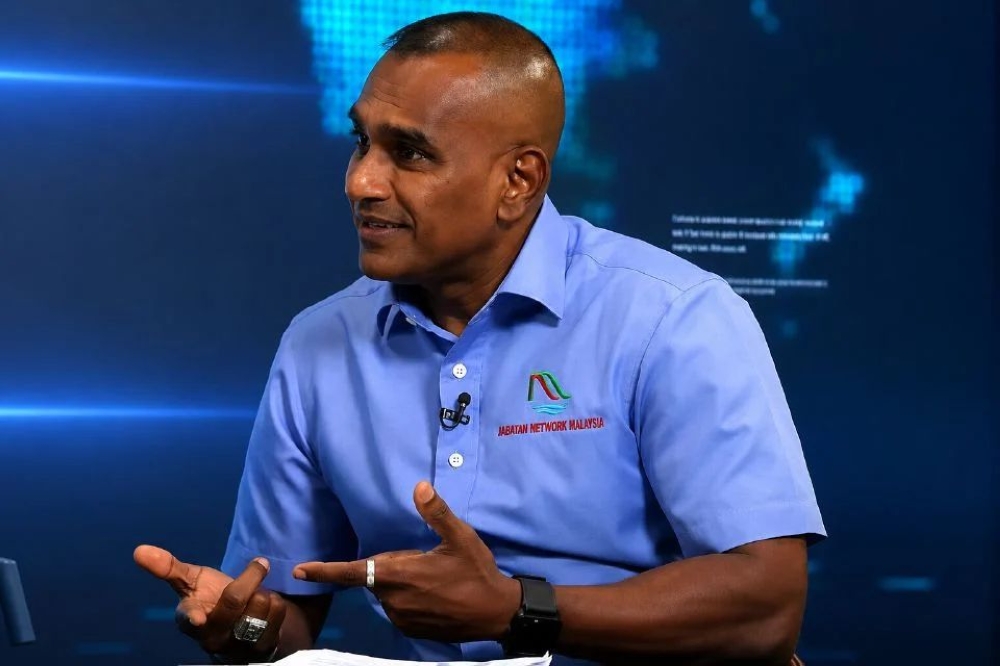

Maritime Network Sdn Bhd chief executive officer Datuk Seri R. Jeyenderan said countries must ensure that their natural resources and energy infrastructure support domestic needs and long-term economic interests. — Bernama pic
By Malay Mail
First Published: Thursday, 29 Oct 2026 8:54 AM MYT
KUALA LUMPUR, Oct 28 — Indonesia’s move to cut natural gas exports to Singapore should be a reminder for Malaysia to develop and maximise its own natural resources to strengthen energy security, according to a maritime industry player.
Maritime Network Sdn Bhd chief executive officer Datuk Seri R. Jeyenderan said countries must ensure that their natural resources and energy infrastructure support domestic needs and long-term economic interests.
“Indonesia is effectively saying: do not take us for a ride. Before questioning what Indonesia is doing, look at your own operators and examine what they have received from Indonesia over the years,” he said in a statement this morning.
Indonesia began reducing natural gas exports to Singapore on Oct 24. It is redirecting some supplies from Natuna and Sumatra to meet its own energy needs.
Jakarta has maintained that the reduction remains within the minimum volumes stipulated in its supply contracts.
Jeyenderan said the development showed how energy security could become intertwined with bilateral relations, particularly when countries depended on cross-border supplies of strategic commodities.
He said Malaysia should take note of regional developments by placing greater emphasis on developing its own resources, strengthening domestic energy capabilities and ensuring its infrastructure supported long-term national interests.
“Malaysia should also maximise the economic value of its strategic location along major international shipping routes, particularly through the development of its bunkering industry,” he said.
He said bunkering, the supply of fuel to ships, was an opportunity for Malaysia to earn revenue from its petroleum resources, port infrastructure and maritime services, while strengthening its position as a regional shipping and energy hub.
Greater attention to the industry could help Malaysia capture more of the economic benefits from vessels passing through the region, including through fuel supply, storage and related maritime services, he added.
Jeyenderan also pointed to Singapore’s efforts to diversify its energy sources, including through liquefied natural gas (LNG) imports and strategic relationships with major global suppliers.
He cited the recent announcement by Singapore and Saudi Arabia that Saudi crude oil would be stored at the Jurong Rock Caverns from the second half of 2027 to strengthen supply security.
“Why is Aramco going to Singapore? It is because Singapore understands that energy security is not simply about buying oil or gas today. It is about securing supply, storage, logistics and strategic relationships for the future,” he said.
He said Malaysia should pay close attention because Saudi Aramco was also an important strategic partner for the country through its downstream investments with Petroliam Nasional Bhd (Petronas) in Pengerang, Johor.
Jeyenderan said Malaysia should continue strengthening its relationships with major energy-producing countries and companies, while ensuring its own natural resources were developed effectively to support domestic needs and economic growth.
He said international partnerships remained important, but countries also needed to ensure their domestic resources, infrastructure and long-term energy strategies were aligned with national interests.
“What is happening between Indonesia and Singapore is a reminder for everyone in the region.
“Energy security is about relationships, infrastructure and knowing who you can rely on when supply becomes tight. Malaysia must protect those relationships before a crisis happens,” he said.
KioskNews shows a cleaned-up reading view extracted from the publisher’s page — the original always lives on their site, not ours.