28 of 119 pumps in 29 MMDA pumping stations not working
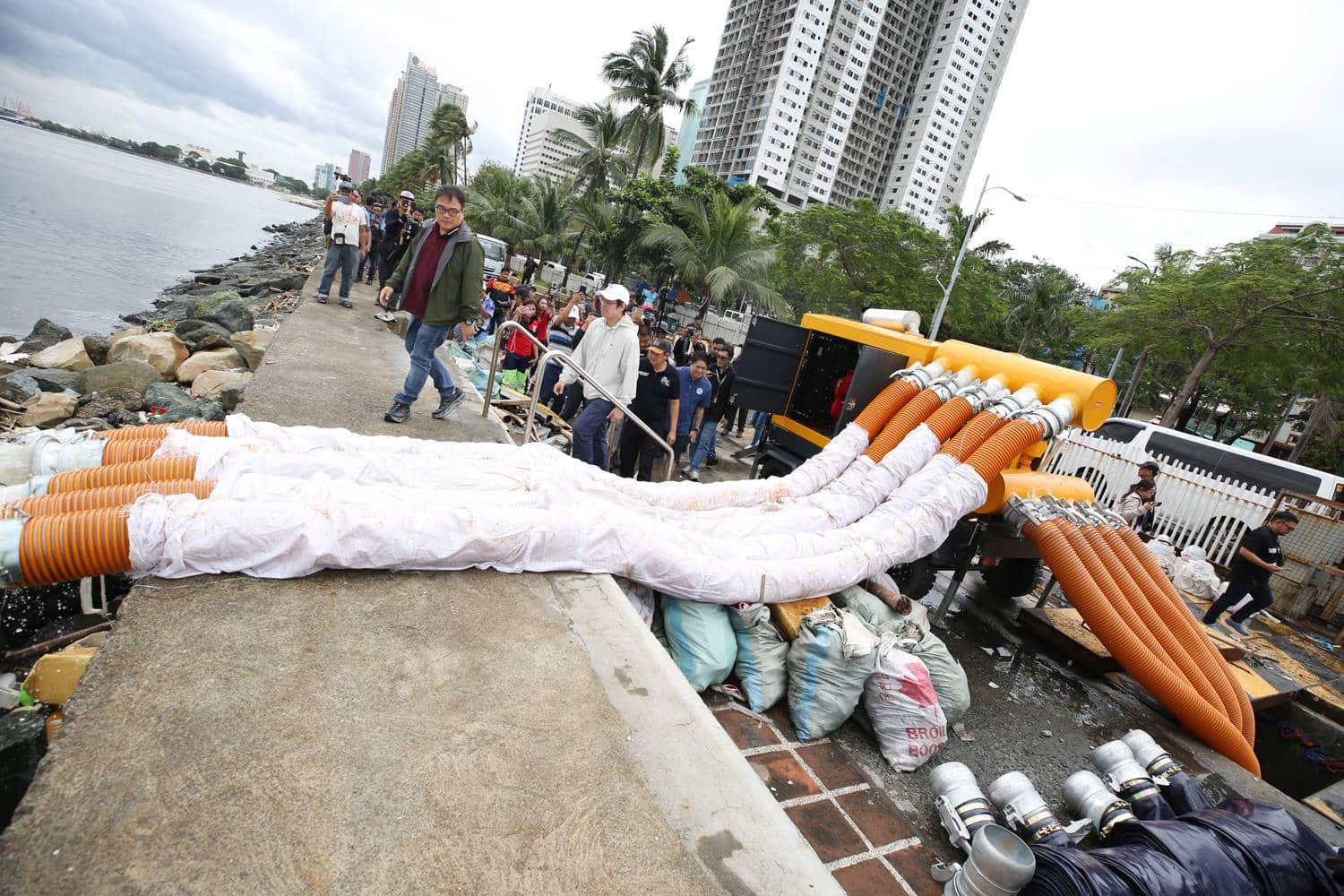
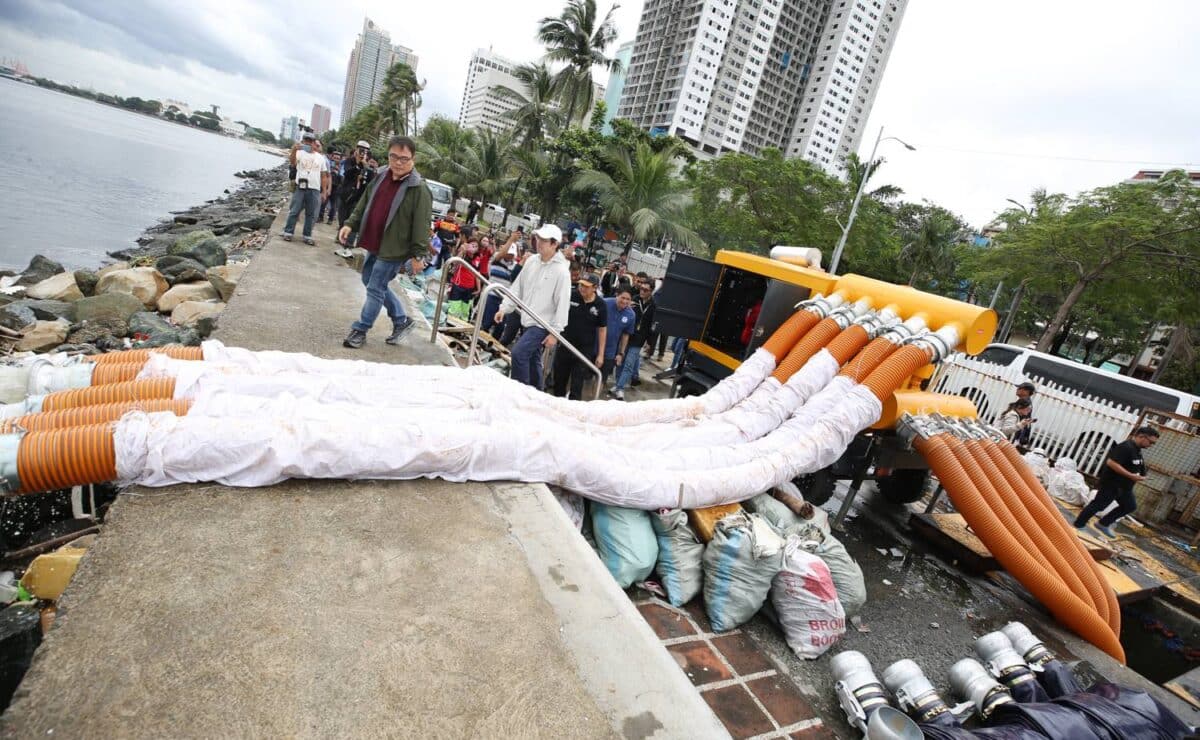
MANILA, Philippines — The Commission on Audit (COA) has reported that 28 of 119 pumps in 29 pumping stations being operated by the Metropolitan Manila Development Authority (MMDA) were “unserviceable” mostly because of delays in repair and rehabilitation.
In its 2025 audit report, COA warned that a “reduced or absent pumping capacity in specific locations may delay the removal of floodwaters.”
It noted that last year, the MMDA had reported that it achieved 100-percent reliability of its pumping stations. However, “audit evaluation shows that the actual condition of the pumping stations presents certain limitations,” COA said.
Article continues after this advertisement
According to the state auditor, 28 out of 119 pumps, or approximately one out of every four pumps, across 29 large pumping stations were either “not operational” or “under repair, replacement or rehabilitation.”
FEATURED STORIES
NEWSINFO
NEWSINFO
NEWSINFO
READ: Metro Manila getting 13 more pumping stations
Of the 29 pumping stations, 18 have at least one pump that was unserviceable, it added.
The COA said that based on its inquiry, a pumping station is considered “operational” if the majority of its pumps are “serviceable” although an inspection showed three pumping stations that did not meet this criterion.
These were the pumping stations in Uli-Uli and Makati, where no pumps were operational. The third was the Libertad pumping station, where only two out of six pumps were working.
Article continues after this advertisement
According to the COA report, the pumps’ condition were “attributed to ongoing rehabilitation and warranty-related repairs” being conducted by the Unified Project Management Office of the Department of Public Works and Highways (DPWH).
The COA recalled that under a memorandum of agreement in 2002, flood control functions in Metro Manila were transferred from the DPWH to MMDA.
Article continues after this advertisement
The MMDA also took charge of day-to-day operations and performance while the DPWH retained control over “capital outlay, major repairs, and infrastructure development.”
Because of this, the MMDA still has to coordinate with the DPWH or contractors before defective pumps can be restored, the COA noted.
Recommendations
Another finding was that repair priorities identified at the operational level are not always aligned with those funded or implemented.
To address these concerns, COA recommended that MMDA inform Congress and appropriate authorities of its need for direct and adequate funding, while reviewing its existing arrangement with DPWH.
It also urged the MMDA to improve monitoring and reporting systems by establishing a clear criteria for operational pumping stations, prioritize the repair of stations with reduced or zero capacity, and ensure the prompt escalation of critical issues.
Your subscription could not be saved. Please try again.
Your subscription has been successful.
MMDA Chair Don Artes, in response, said that 73 pumping stations remain operational, although he admitted there have been “internal delays” in the rehabilitation of some, including the one at Libertad. But he added that the DPWH had committed to finish repairs by November. /cb
KioskNews shows a cleaned-up reading view extracted from the publisher’s page — the original always lives on their site, not ours.