Rich Dad, Poor Dad author’s vast debts spark awe – and some bitterness – in China
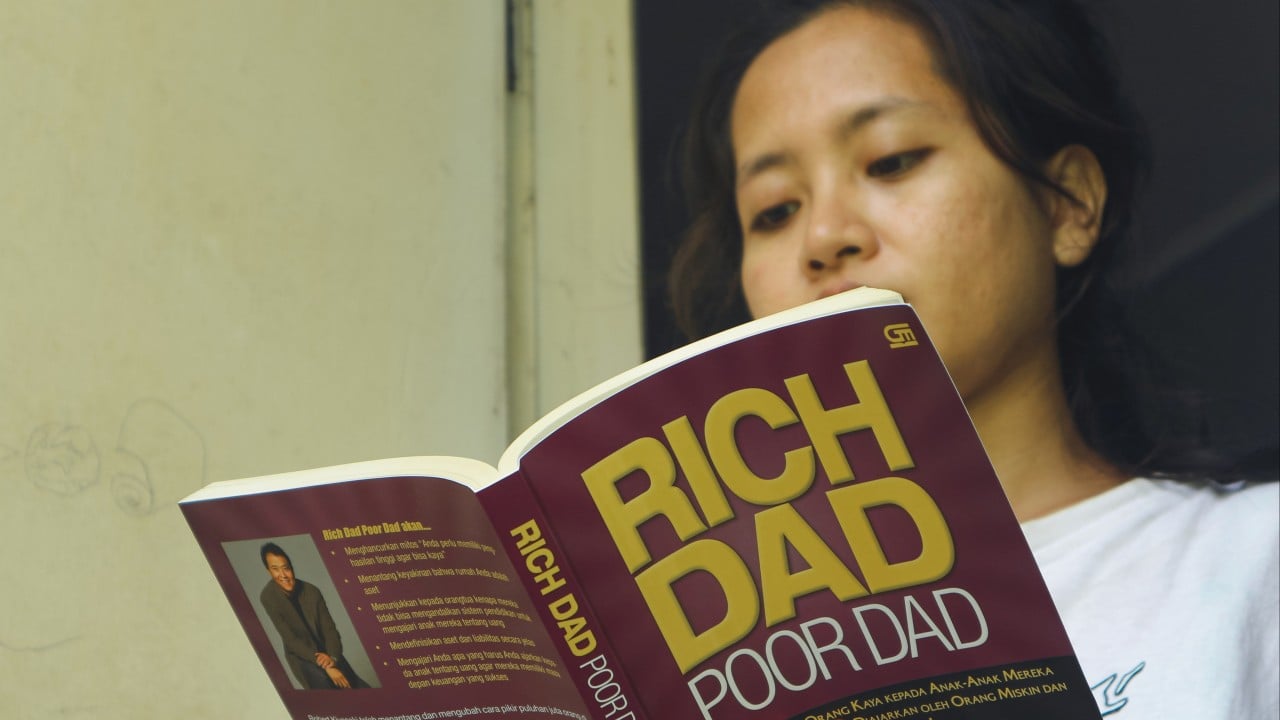
The revelation that Rich Dad, Poor Dad author Robert Kiyosaki has amassed a staggering debt pile has sparked heated discussion in China, where property investors have suffered painful losses in recent years amid a deep market downturn.
The 79-year-old Japanese-American author, who inspired generations of investors to take on leverage to scale up their investments, claimed in a series of podcast interviews over the summer that he owed US$1.2 billion.
His ex-wife and long-term business partner Kim Kiyosaki clarified in an interview with Vanity Fair in late August that the figure covered borrowings related to investments in roughly 1,500 flats, which were shared with his partners rather than personal liabilities.
In China, where Kiyosaki’s 1997 bestseller Rich Dad, Poor Dad was also a huge hit, the news has sparked an outpouring of comments on social media – especially from property investors who said they regretted following his advice.
Many users said they had bought flats after reading Rich Dad, Poor Dad, only to fall victim to China’s property downturn, which has led to steep falls in housing prices and left huge numbers of investors in negative equity over the past five years.
Others recalled reading the book when they were younger and credited it for encouraging them to invest in stocks and funds, in posts on the Chinese social media platform RedNote.
KioskNews shows a cleaned-up reading view extracted from the publisher’s page — the original always lives on their site, not ours.