NIA assures sufficient water supply as strong El Niño draws near
The National Irrigation Authority (NIA) said on Sunday that adequate irrigation water is available as a strong El Niño approaches, adding that it will maintain a double dry cropping calendar to maximize the dry season.
In an interview with Super Radyo dzBB, NIA Administrator Eduardo Guillen said the agency actually prefers sunny weather, which is why it is implementing double dry cropping.
“Sa pagsasaka po, sa pagtatanim natin, mas gusto nga po ng NIA ‘yung maaraw, kaya nga po binabago ng NIA ‘yung ating cropping calendar, ginagawa po naming… double dry cropping,” Guillen said.
(When it comes to farming, NIA actually prefers sunny weather. That is why NIA is shifting our cropping calendar and implementing… double dry cropping.)
“... Ang ginagawa po ng NIA ngayon, dinadala natin ‘yung ating cropping sa parteng October, aani tayo ng January, tanim ulit tayo ng March [at] aani ulit tayo ng June. So ‘yan po ‘yung tinatawag [na] double dry cropping,” he added.
(What NIA is doing now is shifting our cropping schedule to around October so we can harvest in January, then plant again in March and harvest in June. So that is what we call double dry cropping.)
Guillen pointed out that this system differs from the previous wet and dry cropping calendar, where planting started in November or December, harvest took place in March, and replanting occurred in July.
He explained that sunny weather yields higher crop output through photosynthesis, which relies on sunlight, water, and carbon dioxide. However, he emphasized that a sufficient water supply remains crucial to sustain crop growth.
Citing PAGASA, Guillen said the effects of the strong El Niño are projected to be felt in the last quarter of the year, between October and December, and will persist until the second quarter of 2027.
NIA stated that storing water is one of the key ways the agency prepares, making high dams like Magat Dam in Isabela vital to operations.
Guillen said the Magat Dam is almost full and is expected to supply irrigation to 90,000 hectares of farmland.
Meanwhile, Pantabangan Dam in Nueva Ecija, which supplies water to five areas in Luzon, is also nearly full and capable of irrigating around 120,000 hectares.
High-value crops
As part of its preparations, NIA highlighted the importance of coordination with the Department of Agriculture (DA) to jointly identify areas likely to face water shortages.
“Doon sa mga irrigated areas natin alam po ng NIA kung ilan ‘yung kaya niyang patubigan, na tataniman po natin ng palay. Kasi yung palay matakaw po sa tubig ‘yan,” Guillen said.
(In our irrigated areas, NIA knows how many hectares can be supplied with water for rice production, which requires a substantial amount of water.)
“Now, kaya po sinusulong… ‘yung masusing koordinasyon namin ng Department of Agriculture, dahil po pag na-identify namin ‘yung mga areas na kukulangin po ng patubig, marami naman po tayong pwedeng itanim na high-value crops diyan,” he added.
(That is why we are pushing for close coordination with the Department of Agriculture. Once we identify areas that will lack irrigation, we can plant various high-value crops there instead.)
Among the high-value crops he mentioned were corn and mung beans (munggo).
Guillen clarified that a lack of full irrigation does not mean fields must remain unplanted, emphasizing the critical role of interagency coordination.
NIA also urged collaboration with other government agencies, including the Department of Labor and Employment and the Department of Social Welfare and Development, to provide additional intervention measures once El Niño hits.
Farming along irrigation canals
NIA assured the public that irrigation shortages will not cause food prices to increase.
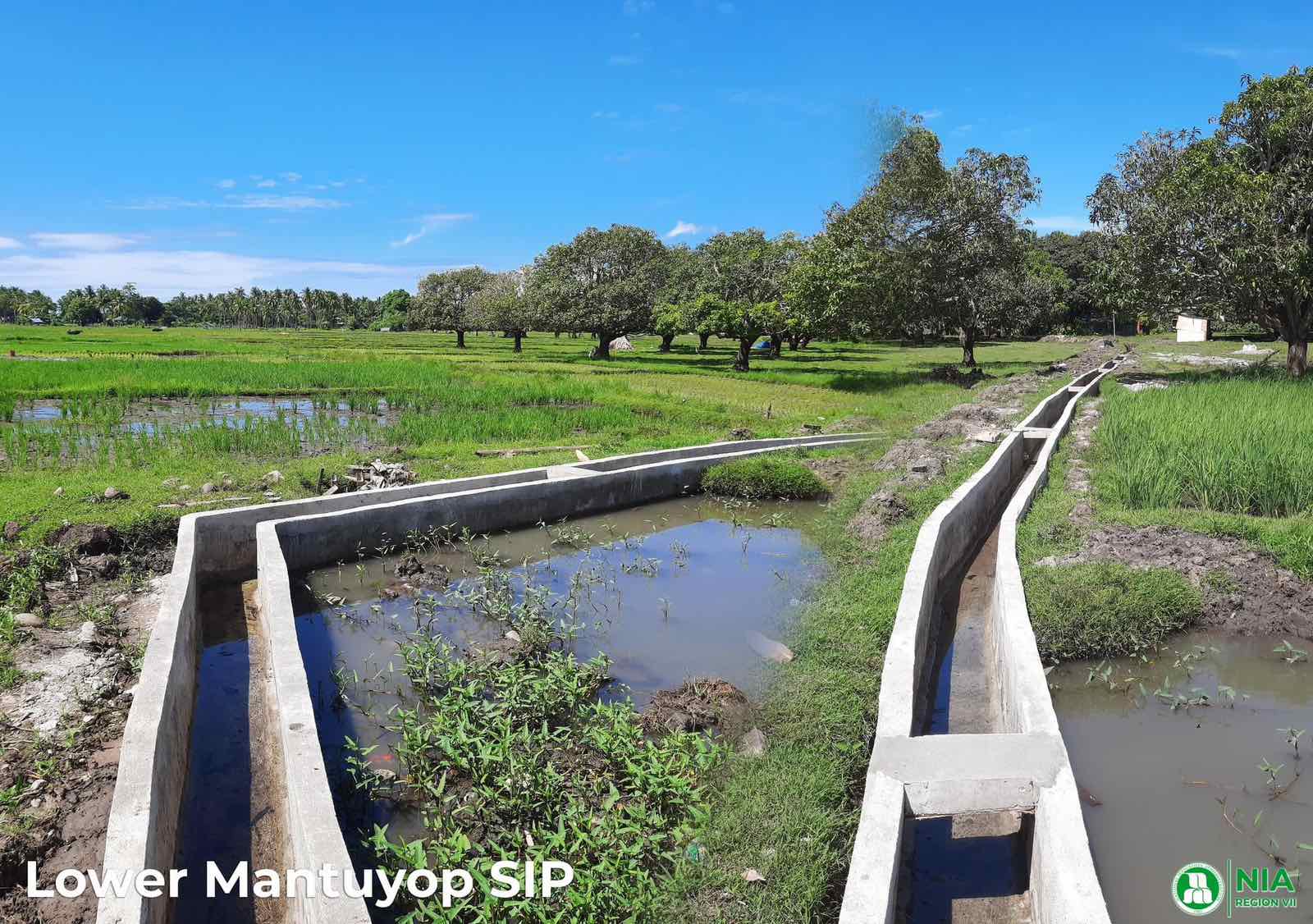
The agency highlighted its program promoting vegetable planting along irrigation canals.
“Pagkahaba-haba po ng ilang, daang libong kilometro po ang ating irrigation sa buong Pilipinas, eh kung magsipag lang yung ating mga farmers, yung ating mga irrigators association at magtanim po sa mga gilid ng irrigation natin ay malaking bagay po yan,” Guillen said.
(We have hundreds of thousands of kilometers of irrigation canals across the Philippines. If our farmers and irrigators' associations actively plant along the banks of these canals, it will be a huge help.)
Guillen said that from 2023 to 2025, vegetable farming along irrigation canals generated P1.6 billion in extra income for farmers nationwide. —RF, GMA News
KioskNews shows a cleaned-up reading view extracted from the publisher’s page — the original always lives on their site, not ours.