Milk shortage warning as drought in England and Wales puts major strain on supply
Food and milk producers in England and Wales have come under increasing pressure from extreme heat and drought, and Scottish producers have said they are looking north to fill in the gaps.
The UK experienced its hottest summer on record in 2026, with five intense heatwaves alongside historic dry spells that triggered widespread drought declarations and hosepipe bans across much of the nation.
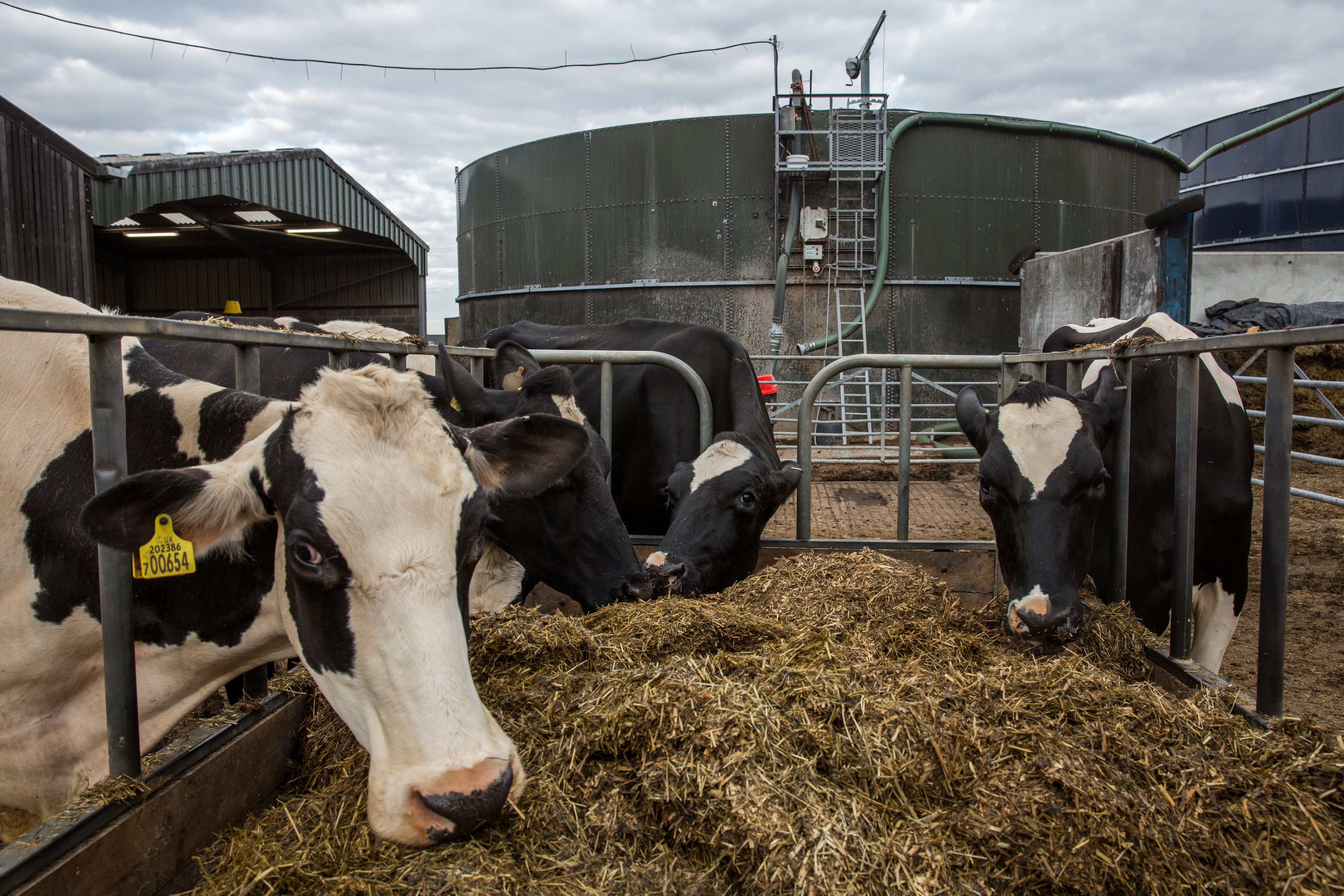
Thanks to the weather, farmers in England and Wales have seen poor grazing conditions, stunted harvests, and heat strain on livestock.
As a result, an Ayrshire-based organic dairy producer told the Press Association that it has seen a “quite dramatic” increase in demand for organic milk from businesses south of the border.
Mossgiel Organic Dairy founder Bryce Cunningham said he received three calls from businesses asking what milk his company could supply for the following week within the space of around 10 minutes.
Mr Cunningham said the level of interest was unprecedented for the farm and demonstrated how quickly the market had tightened, with businesses now looking further afield to secure supplies.
“The drought has caused serious supply issues across the dairy industry,” Mr Cunningham said.
“Organic milk is generally quite difficult to get at this time of year anyway, but the drought has amplified that.”
As of 11 September, Mossgiel Organic Dairy has sent approximately 56,000 litres of Scottish organic milk – or approximately two large milk tankers – south of the border to bolster supplies.
The company was asked to supply a further 40,000 litres, which it did not have available.
“In the dairy industry, (56,000 litres of milk) is relatively small beans, but in organics, it’s quite substantial,” he said.
“We’re obviously pleased to be able to help out, but it just shows you a sign of the times, you know, and how impactful this weather event has been.”
The increased demand comes as the UK milk market faces lower collections than 2025 due to the impacts of heat stress and drought.
According to Agriculture and Horticulture Development Board (AHDB) figures, UK daily milk collections are currently running around 1.24 million litres (3.7 per cent) lower than the same week last year.
While Mossgiel has experienced some heat stress among its cows, Mr Cunningham said Scottish producers have largely avoided the worst effects of the weather this year.
But he said there’s a “real concern” because these pressures ultimately affect farmers and food producers everywhere.
“The bigger worry for us all is that if this happens once in ten years, then that’s a hard thing to take, but you can recover from it,” he said.
“But what happens if this is the new normal? Is climate change hitting us quicker than we thought? We are in the middle of summer and we can’t graze animals and we can’t grow food because it’s too dry and too hot. So that’s a big worry that we’ve got for the future.”
The same pressures are being felt across other areas of food production, including fruit.
Scottish cider producers are watching the situation closely as growers south of the border face mounting pressure.
Angus Morrison, founder of Lost Orchards, said there has been a bumper crop for fruits in Scotland while the heat and drought has caused “calamity on the orchard crops for this year” down south.
“What we’re seeing is a really telling example of how climate change is beginning to affect where food can be grown and how businesses source it,” he said.
“We’re in constant dialogue with our friends south of the border, and the challenges being reported by growers in England this year show just how difficult prolonged heat and drought can be for the industry.”
Mr Morrison added: “English apple growers are considered some of the best in the world, with generations of knowledge and experience behind them, but even the best growers are having to contend with conditions that are becoming increasingly difficult to manage.”
Mr Morrison continued: “Whether it’s a long-term climate change pattern or not, is probably yet to be seen… but certainly the changing climate is helping the fruit growing in Scotland and other areas better than it is in the south and Europe for that matter.”
KioskNews shows a cleaned-up reading view extracted from the publisher’s page — the original always lives on their site, not ours.