For Bangladesh and others, climate disasters should not add to debt burdens
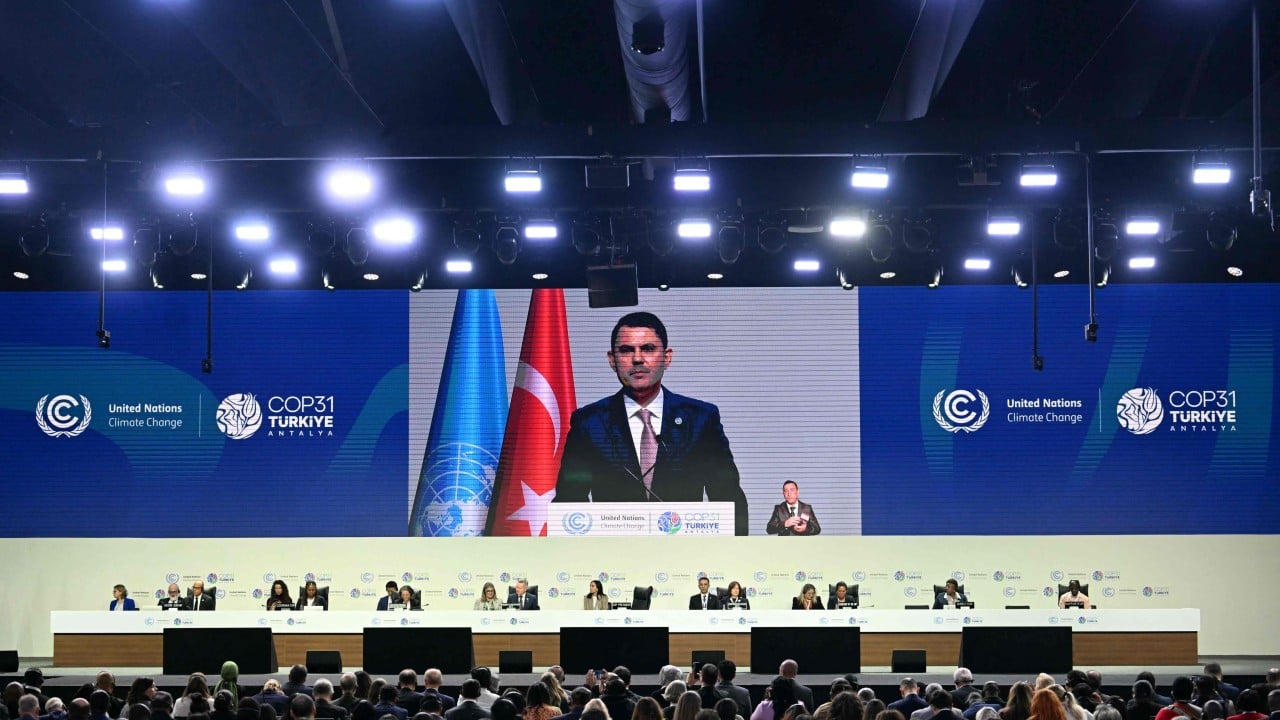
Talks at Cop31, the United Nations climate change conference being held in Antalya, Turkey, come at a critical moment for climate-vulnerable countries across the Global South. Bangladesh is among those bearing the brunt of climate change despite having negligible historical responsibility for global emissions.
As delegations negotiate how to finance climate action, the “how” matters no less than the “how much”: support must arrive in time, reach those who need it and avoid deepening debt.
The recent devastating flash floods in Nepal should be a wake-up call. Bangladesh stands in solidarity with those who have lost loved ones, homes and livelihoods. Their suffering underscores why vulnerable countries need swift support to prevent disaster recovery turning into another financial crisis.
Across the Global South, floods, salinity intrusion, cyclones and coastal erosion are creating growing demand for public resources. Many vulnerable countries must borrow to protect their people from a crisis they did little to create. This injustice should end.
Support for adaptation, loss and damage should prioritise grants rather than loans, reflecting equity and historical responsibility. Recovering from one disaster should not weaken a country’s ability to withstand the next.
This requires change beyond individual climate funds. Debt servicing absorbs resources needed for healthcare, education and resilience. Bangladesh has called for the reform of the global financial architecture, debt relief and affordable, long-term concessional financing.
01:06
At least 5 missing after new flash flooding sweeps through northern Nepal
International financial institutions must address these pressures. Governments should not be forced to choose between essential development needs and protecting their people.
Cop31 must also advance the commitments already made. Cop30 in Brazil last year called for efforts to at least triple adaptation finance by 2035. That goal needs a credible delivery pathway, with increased support well before the deadline. Communities confronting rising seas and extreme weather cannot postpone their protection for another decade.
Climate change is at the core of Bangladesh’s development agenda and a national priority. Climate resilience and low-carbon development are being integrated across national plans.
Prime Minister Tarique Rahman is advancing a vision of a greener Bangladesh through his commitment to plant 250 million trees and restore 20,000km of rivers and canals. These efforts put people’s security and livelihoods first, linking environmental protection with economic opportunity, community enterprise and jobs.
We have established a national committee on climate finance chaired by the prime minister and are committed to strengthening the Bangladesh Climate Change Trust. We are developing our carbon-market policy framework, while Bangladesh Bank has earmarked 10 billion taka (US$78.98 million) from its Green Transformation Fund to support greener investment in rural and local industries.
04:07
‘Tiny homes’ in Bangladesh built for resilience against flooding
These measures support our ambition to expand green enterprise alongside our target of at least 20 per cent renewable electricity by 2030. At Cop31, we seek international finance and partnerships to scale up these efforts and expand economic opportunities for our people.
Meanwhile, losses that adaptation cannot prevent continue to mount. The Fund for Responding to Loss and Damage – which was established at Cop27 in Egypt in 2022 and became operational at Cop28 in Dubai in 2023 – was a hard-won recognition of this reality. Its resources remain insufficient compared with the needs. Recognition must now translate into delivery.
At Cop31, we are pressing for predictable funding, simplified access and rapid disbursement to ensure support reaches affected communities.
Public finance from developed countries must remain the foundation of this response. We support additional funding sources that complement their responsibilities under the UN climate framework and the Paris Agreement. Broadening the funding base must not dilute those responsibilities.
As global aid dwindles and Bangladesh moves towards graduation from least-developed-country status, green investment and trade opportunities become increasingly important. Carbon markets under Article 6 of the Paris Agreement can help attract investment in emissions reductions and ecosystem protection. It must complement public climate finance.
Asia’s top climate expert warns of ‘humanitarian disasters’
International accountability matters equally. The International Court of Justice’s advisory opinion has clarified states’ climate obligations. Bangladesh was among those who called for that clarification to reinforce action. Finance and emissions reductions must advance together. Keeping the 1.5 degree Celsius goal within reach remains essential: no funding arrangement can adequately protect vulnerable countries from unchecked warming.
Our government’s commitment to environmental restoration reflects a determination to protect people before risks become disasters. But national action alone cannot contain the consequences of a warming world. Trees and restored waterways can strengthen resilience; they cannot eliminate rising seas, intensifying extremes or the financial burdens of repeated losses.
At Antalya, vulnerable countries like Bangladesh must help shape the decisions that affect their future. Cop31 can turn climate ambition into action. With fair finance delivered in time, we can build a more resilient future for those facing the worst.
KioskNews shows a cleaned-up reading view extracted from the publisher’s page — the original always lives on their site, not ours.