Chud Thai ID photo trend brings Thai dress to Phitsanulok
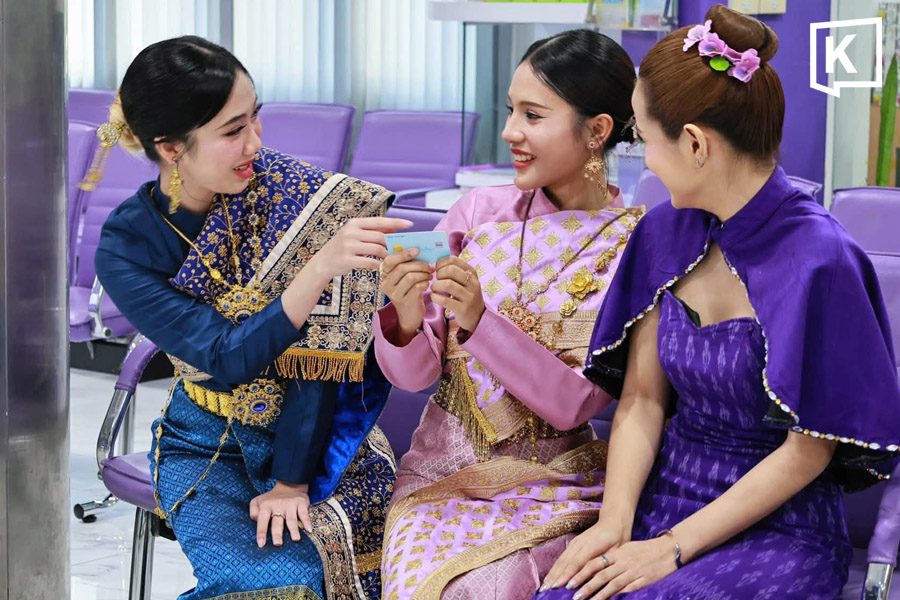
A trip to renew a national ID card is usually a practical errand. In Phitsanulok this week, it became an occasion to dress up.
Residents have been arriving at Phitsanulok City Municipality in Chud Thai, Thai textiles and modern Thai-inspired outfits for their ID photos, joining a social-media trend that has put traditional dress in an unlikely setting: the card people carry in their wallets every day.

The municipality has encouraged the idea, inviting people to wear Chud Thai, Thai fabrics or clothing featuring the dok peep flower, a symbol of Phitsanulok. It is also handing out souvenirs to participants.
There are still a few practical rules. The face must be clearly visible so officials can verify each applicant’s identity. Hats, dark glasses and face coverings are not permitted.
The response has added colour to a service normally associated with queues, forms and passport-style photographs. It has also given people a chance to make an official image feel more personal — and to keep that image for years.

Chud Thai is commonly worn at ceremonies, weddings, cultural events and other formal occasions. Its history, however, stretches beyond the eight familiar styles often seen at official functions.
Thai clothing has developed through regional textile traditions, court dress and everyday styles passed down across generations. In 1960, Queen Sirikit The Queen Mother commissioned research into women’s attire from the Sukhothai, Ayutthaya and Rattanakosin periods. That work led to the development of eight styles of Chud Thai Phra Ratchaniyom, or royally favoured Thai dress, for women.

The styles were designed for different levels of formality and helped establish a recognisable national dress. Traditional men’s attire has also been developed for modern ceremonial use.
The ID photo trend comes as Thailand is seeking international recognition for Chud Thai. The country’s nomination, titled “Chud Thai: The Knowledge, Craftsmanship and Practices of the Thai National Costume”, is under consideration for UNESCO’s Representative List of the Intangible Cultural Heritage of Humanity.
The nomination covers more than the garments themselves. It includes the knowledge of textile-making, tailoring, embroidery and the cultural practices surrounding Thai national dress. UNESCO is expected to consider the nomination later this year. Chud Thai has not yet been inscribed on the list.
For Phitsanulok residents, the trend is a smaller and more immediate expression of that cultural pride. It turns a required ID card photo into a chance to wear something meaningful — whether a full traditional outfit, a Thai textile or a contemporary look inspired by classic dress.
Phitsanulok City Municipality’s ID card service is open from 08:30 to 16:30 Monday to Friday, and from 09:00 to 15:00 on Saturdays.
KioskNews shows a cleaned-up reading view extracted from the publisher’s page — the original always lives on their site, not ours.