Southeast Asian families tying house move to top schools spur privilege worries
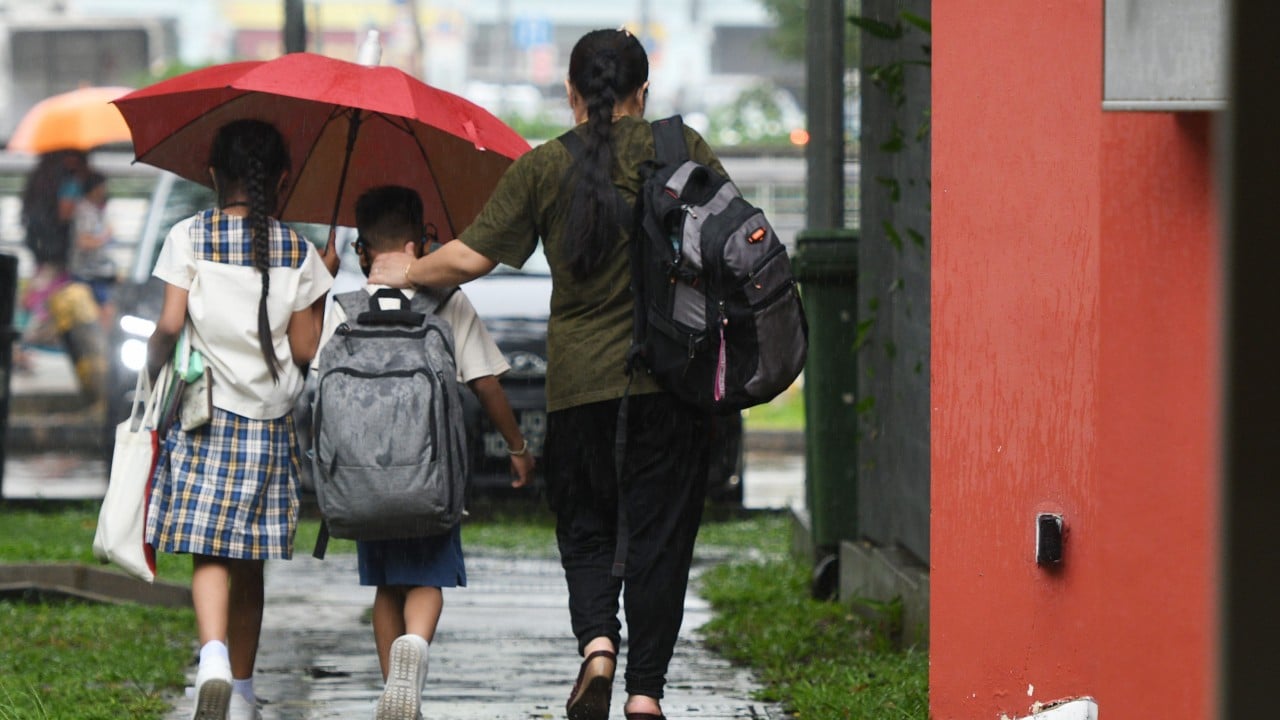
Singapore’s recent parliamentary debate over primary school admissions has put a familiar parental strategy in the city state under the spotlight – parents moving house to improve their children’s chances of getting into popular schools.
Speaking with This Week in Asia, property agents say some families in Singapore have been approaching them with the intention of buying or renting particular residences at least two years before their children’s primary school admission.
Living close to a sought-after school does not guarantee entry, however, as a family might still face balloting for a particular school if it is oversubscribed.
The debate comes as Singapore prepares to widen admission to 12 schools in predominantly private-housing neighbourhoods, in a bid to encourage greater social mixing.
Beyond Singapore, the school admissions systems in Malaysia and Indonesia also factor residential addresses, albeit with different criteria taking into account socio-economic conditions.
Planning years ahead
Joyce Foo, a property agent in Singapore, said some families accepted living in smaller homes to improve their children’s school admission chances. She recalled one family who moved from a five-room to a four-room public housing flat to be nearer their preferred school, with a parent also volunteering there.
When advising her clients, she would consider past balloting results, housing budgets and potential sale of the properties they are eyeing 10 years later.
“They want to make that move, but they also don’t want to lose money,” she said.
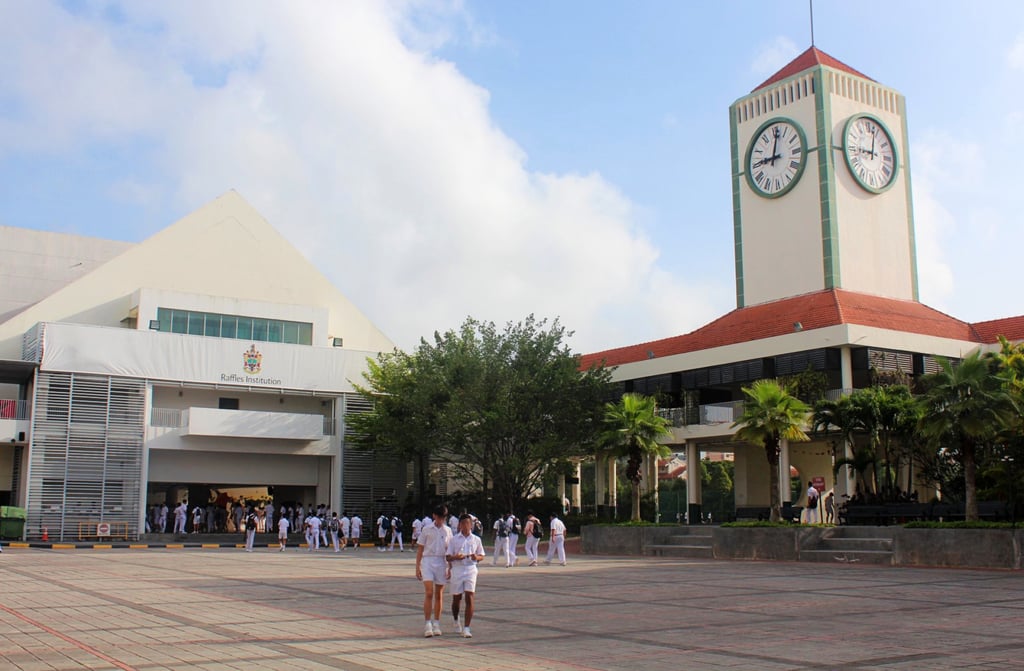
Those calculations now need to be considered alongside recent changes to Singapore’s school admission framework. From next year, for registration of children starting Primary 1 in 2028, most schools will reserve 60 places, up from 40, for Phase 2C, which does not factor in school ties.
At the 12 schools located in neighbourhoods dominated by private houses, Phase 2C places will be split equally between applicants living within 2km and those farther away. Priority admission for children of primary school alumni remains.
Foo said some alumni parents were now considering renting, rather than buying near their former schools, or looking at alternatives with better prospects of success.
“Many parents come to inquire because they want to have that certainty that their kid will be placed.”
However, she had not seen a surge in customer inquiries following the announcement. Based on her 13 years’ experience in Singapore’s property market, Foo said the data she had analysed showed that sales demand and rental premiums were not necessarily correlated with properties within 1km of popular schools.
Jason Tan, an associate professor at Singapore’s National Institute of Education, said the admissions framework encouraged parents to strategise because certain conditions depended on what they could do, including alumni connections, volunteer work and residential addresses.
“Most of the criteria have nothing to do with the individual child,” Tan said.
Giving priority to children living near schools made sense because of their young age, Tan said. But better-off families have a clear advantage as they can choose whether to move closer to a preferred school, according to Tan.
‘Sue our government’: growing anger as haze spreads from Indonesia
Family income matters
In Malaysia’s Klang Valley, senior sales manager Neo Wee Liem and his wife also linked preferred school admission for their son to house-hunting criteria as they wanted their eldest child to have a grounding in Mandarin.
After returning from Singapore and renting in Petaling Jaya, the Neos shortlisted three Chinese-medium primary schools, taking into account their housing budget, living space and transport convenience, before making a final decision.
“We were not really picky on which Chinese school it was,” Neo said.
In Malaysia, Chinese- and Tamil-medium primary schools sit within the national education system alongside Malay-medium primary schools. Private and international schools are also options for parents who can afford them.
Noor Azimah Abdul Rahim, an education advocate who is a co-founder of Malaysia’s Parent Action Group for Education, said such housing calculations were a source of concern.
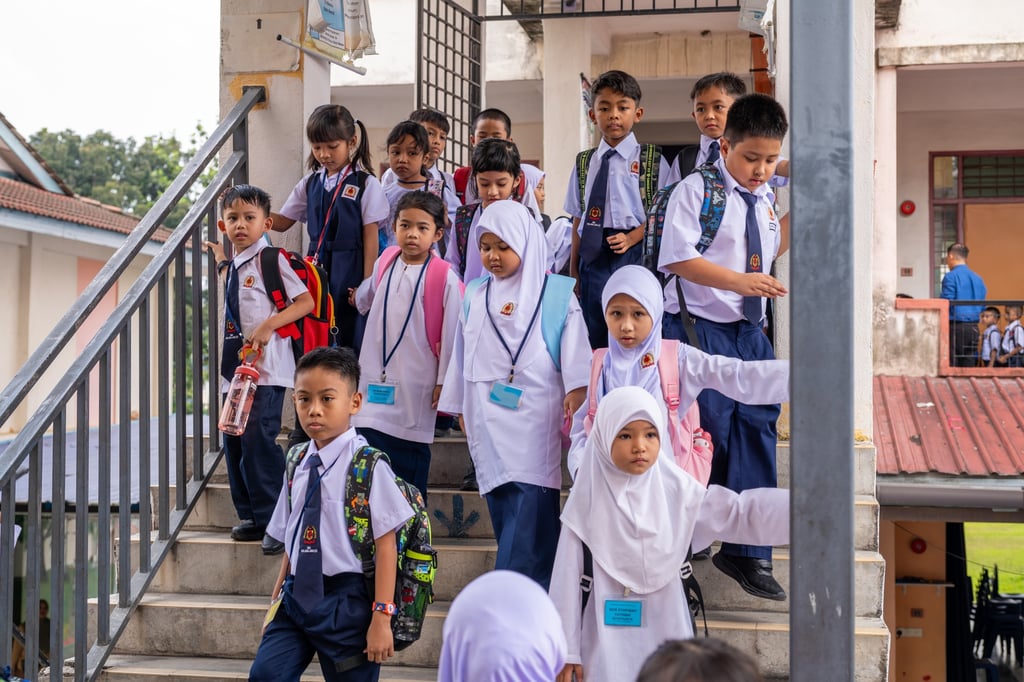
“When families contemplate paying additional rent, changing their living arrangements or reorganising their daily lives just to secure a school place, it raises questions about the fairness and accessibility of the system.
Shakira Teh Sharifuddin, a PhD candidate at University College London’s Institute of Education and an economist at a public policy body, said the priorities of families varied across locations, income groups and educational stages.
What parents living in more urban areas look for in schools for their children differed from their peers living in rural communities or less-developed districts, such as Chinese education, she said.
For some Malay families, whether from urban or rural areas, they do not need to buy a house near top secondary schools or selective boarding schools to secure a place, according to Shakira.
Nonetheless, the financial position of different families would still play a role in determining their attitude towards school selection, she said.
“Lower-income and more rural families could find themselves basically just taking what the system gives to them, because there are fewer options.”
Falsifying residential addresses
In Indonesia, families also make housing decisions based on preferred schools for their children.
In a 2019 CNN Indonesia report, a father rented a house in East Jakarta and changed his residence details so his child could apply to a secondary school under Indonesia’s old zoning policy.
Last year, Indonesia revised its school admission policy under which a family’s residence address is a key consideration. Local governments have the flexibility to designate housing areas for school admission.
At least 70 per cent of public primary-school places are allocated based on a family’s residential address. At least 15 per cent are set aside for students from low-income families and those with disabilities.
Ubaid Matraji, the national coordinator of the Indonesian Education Monitoring Network (JPPI) watchdog group, said such a principle of school admission was fair, but varying degrees of school quality continued to be a major concern for families.
“On paper, this system is fairer because everyone has the same opportunity to attend the school nearest to home. But it becomes a problem because the quality of schools is not the same,” he said.
Some parents used their work or business address, “rented” addresses of relatives or falsified residence documents to improve their children’s chances of getting into popular schools, Ubaid added.
His comments indicate that the problem has not disappeared even with Jakarta’s latest school admission policy. Explaining its rationale for the reforms last year, Indonesia’s education ministry identified false housing addresses as one of the key problems under the old system.
Under the national framework, local governments can work with private schools to accept pupils when the capacity of public schools is insufficient and provide financial help for those from lower-income families.
Ubaid, however, said the authorities should ensure that there were enough public-school places for children seeking admission.
As for families who have missed out on public-school places, private schools are not a feasible option because of higher costs, such as registration and development fees, according to Ubaid.
For Noor Azimah, whether it is in Malaysia, Indonesia or elsewhere, school access should not be determined by the ability of families to pay for houses.
“A child’s educational opportunity should not become a property-market privilege,” she said.
KioskNews shows a cleaned-up reading view extracted from the publisher’s page — the original always lives on their site, not ours.