PM reviews National Economic Transformation Programme
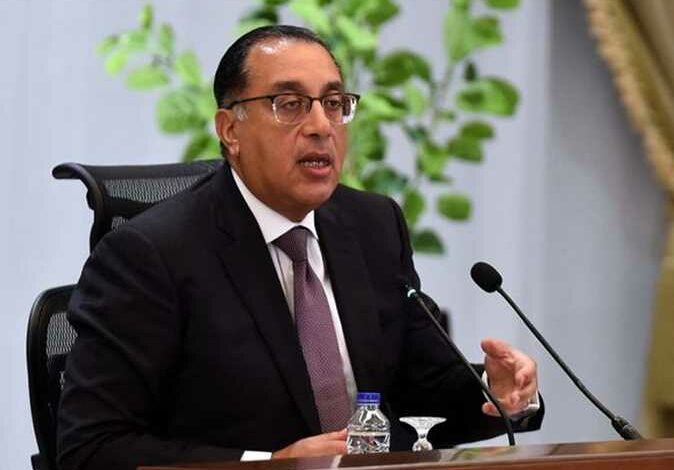
Prime Minister Mostafa Madbouly said the government, in full coordination with the Central Bank of Egypt, was continuing work to finalize the National Economic Transformation Programme, which is based on an integrated vision reflecting the state’s economic priorities for the coming period.
“The programme is being prepared in line with President Abdel Fattah al-Sisi’s directives and aims to ensure the integration of economic, fiscal, monetary and sectoral policies and measures, while generating a tangible impact on citizens and the national economy,” Madbouly said.
He stressed the importance of Thursday’s meeting, which comes as the government reviews and verifies data and figures provided by various ministries in order to finalize the programme’s targets and prepare its final draft for submission to President Sisi ahead of its official launch.
Madbouly made the remarks during an expanded meeting to follow up on preparations for the programme, attended by Health and Population Minister Khaled Abdel Ghaffar, Electricity and Renewable Energy Minister Mahmoud Esmat, Finance Minister Ahmed Kouchouk, Social Solidarity Minister Maya Morsy, Agriculture and Land Reclamation Minister Alaa Farouk, Education and Technical Education Minister Mohamed Abdel Latif, Petroleum and Mineral Resources Minister Karim Badawi, Higher Education and Scientific Research Minister Abdel Aziz Konsowa, who is also acting Culture Minister, Labour Minister Hassan Raddad, Planning and Economic Development Minister Ahmed Rostom, Industry Minister Khaled Hashem, Deputy Finance Minister for Fiscal Policies Yasser Sobhy and officials from relevant ministries and government agencies. Investment and Foreign Trade Minister Mohamed Farid Saleh also participated via videoconference.
Madbouly said the government sought through the programme to establish an integrated framework for the next phase, focusing on strengthening the Egyptian economy’s capacity for sustainable growth, raising productivity and competitiveness and supporting sectors capable of creating jobs and increasing the added value, in line with regional and international economic developments.
At the beginning of the meeting, a number of economic performance indicators were reviewed, showing that the Egyptian economy had demonstrated resilience in the face of various regional and international challenges. Economic growth rose to 5.1 percent in fiscal year 2025/2026, compared with 4.4 percent the previous year, exceeding forecasts by major international institutions.
The growth was driven by several sectors, including industry and services such as telecommunications and information technology. Monthly inflation also declined in August to 12.7 percent, compared with 13 percent in the same month a year earlier.
The government’s targets go beyond achieving high growth rates to implementing a comprehensive economic transformation programme based on competitiveness and expanding private investment in five key sectors: industry; agriculture and food processing; tourism; telecommunications and information technology; and energy security.
The aim is to translate macroeconomic stability into sustainable growth that generates exports and improves living standards nationwide.
Planning and Economic Development Minister Ahmed Rostom presented the programme’s implementation status and proposed timeline. He said previous initiatives and programmes implemented before the National Economic Transformation Programme had been reviewed over recent months, while consultations had been held with relevant ministries and agencies on the new programme’s pillars.
Detailed data is currently being verified in coordination with various ministries following the preparation of the programme’s initial draft, with the final version to be completed before being submitted to the political leadership and then officially launched.
Rostom said 11 meetings had been held with relevant ministers, in addition to more than 34 technical meetings to discuss reform measures and priorities across different sectors. These meetings examined the current economic situation and the key challenges facing the Egyptian economy, including its structure and productivity, public finances and financing capacity, external indicators and global challenges, human capital and demographics, as well as institutional economic reform.
He said the methodology of the National Economic Transformation Programme was based on several pillars, including strengthening resilience and stability and addressing crises, empowering a productive and competitive private sector, expanding job opportunities and improving quality of life.
“The programme also builds on previous experience gained through the National Dialogue, the national narrative and structural reforms, among other initiatives. It sets economic and sectoral priorities while taking humanitarian considerations into account,” he added.
At the conclusion of the meeting, Madbouly stressed the need for thorough verification and review of the data to finalize the programme and submit it to the president in the coming period.
KioskNews shows a cleaned-up reading view extracted from the publisher’s page — the original always lives on their site, not ours.