10 Greatest Horror Movies That Still Terrify Us to This Day

Writing from the Chicagoland area in Illinois, Robert is an avid movie watcher and will take just about any excuse to find time to go to his local movie theaters. Robert graduated from Bradley University with degrees in Journalism and Game Design with a minor in Film Studies. Robert tries his best to keep up with all the latest movie releases, from those released in theaters to those released on streaming. While he doesn't always keep up with the latest TV shows, he makes it a goal to watch nearly every major new release possible. He has been honing his craft and following any and all movie news all his life, leading up to now, where he has a vast knowledge of film and film history. He also logs every movie that he watches on his Letterboxd page, and has hosted a weekly online movie night with his closest friends for over 6 years.
Horror as a genre has found success in all different forms of art and storytelling, yet there is something so intoxicating and heart-pounding about horror filmmaking that has made it one of the premiere ways to experience the quintessential genre of the Halloween season. A truly great horror film can disturb and impact an audience better than any other genre, with levels of fear and tension that make the experience of witnessing their terrors all the more memorable and impactful.
With generations worth of exceptional horror films to choose from, there are countless masterpieces of the genre that can be chosen from to create a selection of the best that the genre has to offer. More than simply being the very best, these films have massively stood the test of time, being terrifying not just when they are released, but having such pain and nightmare material baked into their filmmaking and execution that they terrify audiences many years and decades later.
10 'Rosemary's Baby' (1968)

While Roman Polanski is celebrated for numerous achievements across a wide array of different genres and filmmaking styles, his stature and influence within the horror genre is most directly seen through his psychological masterpiece Rosemary's Baby. While Polanski himself may be a less than savory filmmaker to discuss in the modern age, the clear quality of his work shines through, with Rosemary's Baby being an undeniable icon of psychological horror and one of the greatest horror films of the 60s.
The film follows a young couple of Guy (John Cassavetes) and Rosemary (Mia Farrow), who have recently moved into an infamous apartment vuilding with hopes of starting a new family. However, an increasing number of mysterious occurrences and disturbing events lead Rosemary to suspect that her neighbors have dark, sinister intentions for her and her unborn child. Rosemary's Baby has aged exceptionally well into the modern age, as this powerful story of paranoia, bodily autonomy, and societal expectations during pregnancy.
9 'Alien' (1979)
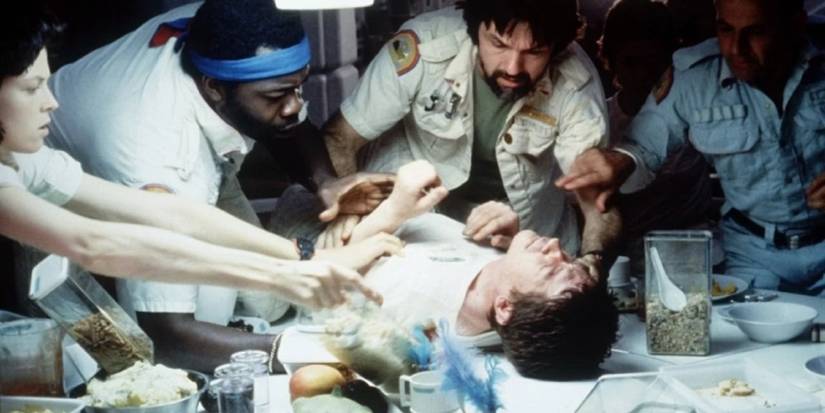
Sci-fi horror has come in all different shapes and sizes over the years, with this widely beloved subgenre of horror arguably seeing its height in Ridley Scott's masterpiece, Alien. With immaculate storytelling, a engaging cast of characters, and one of the most terrifying monsters in horror history, Alien has been the gold standard for masterful sci-fi horror ever since its release. Several of its scares and most impactful moments still send shivers down the spine of those who witnessed the film when it first released.
The film follows a rag tag space crew intercepting a distress signal while returning to Earth, unknowingly setting themselves up to be the latest victim of one of the most dangerous extraterrestrial threats possible, the deadly Xenomorph. As the crew is hunted down one by one, it becomes a maddening fight for survival and escape from a ruthless, seemingly unstoppable apex predator. While the film has spawned numerous sequels, prequels, and spinoffs, none of them come close to the brilliance and timeless scares of the original.
8 'The Thing' (1982)

One of the very few horror remakes better than the original film, John Carpenter's The Thing elevates the scares, violence, and thematics of the original film to the point of surpassing it in terms of iconic status and legacy. It stands tall as this perfect blend of top-notch practical effects and unsettling dread and scares with real depth and intrigue to them. The film has the best of both worlds in terms of exceptional gore and violence while also having a lot to reflect on with its themes of human trust and paranoia.
The story sees an Antarctic research team being hunted down by a mysterious alien creature with the ability to take the appearance of its victims, placing everyone in a state of distrust and paranoia as they can't trust each other, believing them to be the alien in disguise. Carpenter's directing comes out in full swing to make this one of the most engaging and terrifying horror films that the 80s has to offer. The effects and gore is masterfully crafted and is still absolutely terrifying to witness nowadays, as it has gained a legacy as one of the very best sci-fi horror films ever made.
7 'The Devils' (1971)
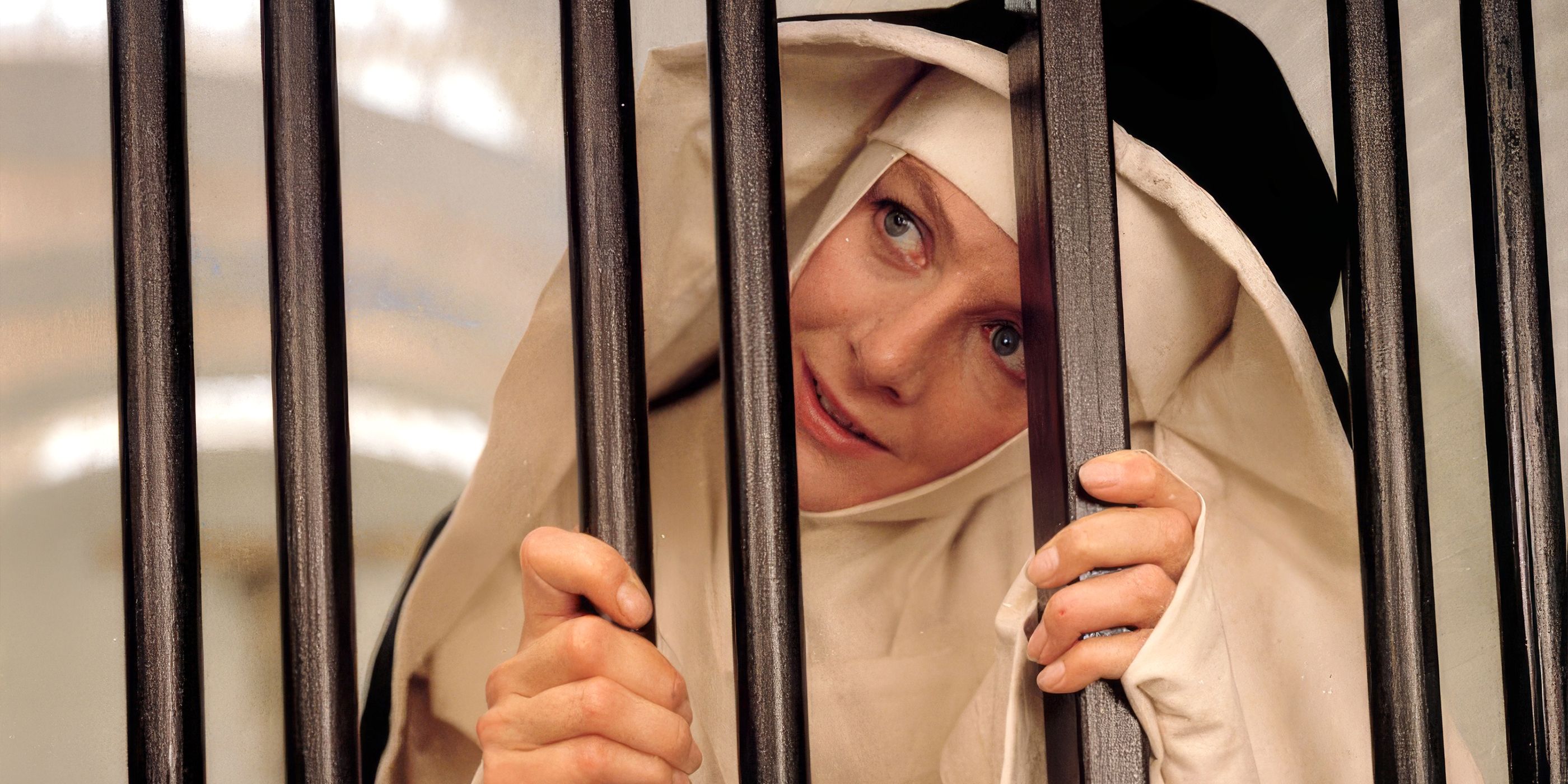
An extremely controversial icon of 70s horror whose shocking content and psychological themes have made it an unfiltered experience of both violent and sexual depravity, Ken Russell's The Devils lives up to its reputation and then some. The film follows a 17th-century priest finding himself being accused of witchcraft, with a sexually repressed nun being the leading force behind these charges. It's a film that has been notoriously cut and censored in its various forms, yet the raw, uncompromising original film is among the greatest yet most underappreciated achievements in horror.
Much like many of the other exceptional horror films of the 70s, The Devils took an approach not worried about appealing to mass audiences, but instead creating a raw, unrestrained work of art that made its shocking depravity central to its themes of institutional corruption and repressed sexuality. With a highly anticipated restoration set to release this month, there will hopefully be a newfound wave of appreciation and support for this horror icon.
6 'The Texas Chain Saw Massacre' (1974)

Often considered to be one of the most important and influential slasher films ever released, Tobe Hooper's The Texas Chain Saw Massacre broke new ground with its dedication to unflinching realism and sadistic pain on-screen. Its influences and stature within the horror world are second-to-none, being not just one of the most important horror releases of all time, but a film that still continues to directly influence many of the best horror films of the modern age.
Its story proves to be both strikingly simple and endlessly terrifying, following a group of friends in rural Texas stumbling across a deserted house only to be hunted down by a ruthless, sinister killer wielding a chainsaw. It has a visceral pain to its depiction of death and violence that shook audiences of the 70s to their core and still leaves a mark on audiences of the modern age. It's easy to say that the horror film helped change cinema forever, proving to be deeply influential with its low-budget filmmaking style.
Collider Exclusive · 8 Questions · 2 Minutes What Is Your Biggest Horror Nightmare? Elm Street · Chucky · Scream · The Conjuring
Four horror franchises. Four completely different ways of scaring you. One waits until you fall asleep. One makes sure nobody believes you. One is already in your group of friends. And one is in the house with your family. Answer eight quick questions about how you actually watch horror, and find out which nightmare was built for you.
😴Elm Street(Freddy Krueger)
🧸Chucky(Child's Play)
📞Scream(Ghostface)
🕯️The Conjuring(The Warren Files)
01
Which horror scene makes you cover your eyes? Four classic images. One of them is worse than the others for you.
02
You are home alone and you hear a noise. First thought? Everybody has one. It arrives before you have decided anything.
03
Which horror movie rule would you break first? Everybody thinks they would survive. Almost nobody actually does.
04
Something genuinely frightening happens. What do you do? Not in a film. In your actual living room, tonight.
05
How do you actually watch a horror film? Be honest about this one. Nobody is checking.
06
Somebody offers you serious money. Which do you still refuse? The amount does not matter. There is one on this list you are not doing.
07
Which feeling stays with you a week after the film? Good horror does not stop when the credits do.
08
Something wakes you at 3am. What is the worst possibility? Eight questions in, this is the one that decides your nightmare.
The Lights Just Went Out Your Nightmare Is…
Four franchises, four completely different ways of getting underneath your skin. This is the one built out of your particular fear, why it works so well on you, and what it would leave behind.
Elm Street
Your nightmare does not wait outside the door. It waits for you to close your eyes, which you are going to have to do eventually, because nobody has ever won that particular argument.
- Freddy is horror's cruellest idea: a threat that lives in the one place you cannot guard, cannot lock, and cannot avoid forever.
- You are the one who is fine during the film and wide awake at two in the morning. Your own head is where this does its damage.
- These films understood exhaustion as a horror engine. The kids on Elm Street do not lose because they are weak. They lose because they are tired.
- You can lock every door in the house. You still have to sleep.
Chucky
Your nightmare is not really the doll. It is the face of the person you tell, and the way they decide, very kindly, that you have imagined all of it.
- Chucky works precisely because he is absurd. That is the trap: the more accurately you describe him, the less anybody is going to believe you.
- You are the one shouting at the screen because the characters are not listening. You know that feeling from real life too.
- The franchise is at its best when the adults in the room are the real obstacle, and you have met those adults.
- By the time somebody finally believes you, you will have handled most of it on your own.
Scream
Your nightmare has your number, knows your name, and has almost certainly been inside your house before. The worst part is that you already know them.
- Scream is the only one of these where the killer takes the mask off and turns out to be somebody who was at the party.
- You are the person who calls the twist out loud before it lands. You watch people the same way you watch films.
- The franchise made the rules of horror part of the plot, which means the survivors are the ones paying attention. You would be paying attention.
- Everybody is a suspect, including the person who just offered to walk you home.
The Conjuring
Your nightmare is not really about you. It is about the people asleep down the hall, and the feeling that whatever is here is not interested in leaving.
- The Conjuring films are domestic horror. The house, the family, the perfectly ordinary room that quietly stops feeling ordinary.
- Your instinct is to get everybody into one room. Your fear is protective rather than personal, which is rarer than it sounds.
- This is the one franchise where belief is the weapon. The people who come through it are the ones who are not alone and refuse to be.
- Whatever is here did not come for you. It came for the household, and you are the one standing in the hallway.
5 'The Exorcist' (1973)

The first horror movie to be nominated for Best Picture and still considered by many to be one of the scariest movies of all time, William Friedkin's The Exorcist has amassed a powerful legacy and reputation for itself as a magnum opus for the genre as a whole. The film sees a duo of Catholic priests being called to help save the life of a young girl after she has been possessed by a mysterious demonic entity. This classic story has been a cornerstone of horror filmmaking since its release as it continously is considered one of the greatest horror films ever made.
From the haunting music to the powerful effects and tense filmmaking, The Exorcist continuously finds ways to shock and scare the audience, reveling in the pain and disturbing nature of its story as it taps into these themes of human vulnerability. The depiction of evil and pain within this film is still too much to bear for some audience all these year later, as few films have even come close to the haunting, gutternal nature of this unflinching horror masterpiece.
4 'The Sixth Sense' (1999)

The breakout film from legendary director M. Night Shyamalan and often considered one of the greatest horror mystery films ever made, The Sixth Sense is an icon of 90s filmmaking whose legacy has only grown in the time since its release. While so much of the conversation surrounding the film revolves around its legendary twist ending, this ending is only as iconic as it is thanks to the exceptional build-up of tension and thrills in the rest of the film.
The film follows child psychologist Malcolm Crowe (Bruce Willis) who counsels a deeply troubled child (Haley Joel Osment) who claims to possess clairvoyant abilities that allow him to see ghosts from beyond the grave. A lot of the horror elements of The Sixth Sense derive from the sense of grief and pain felt by the characters, although it certainly has its tense-fueled moments with graphic and visceral imagery of the ghosts themselves. It's a film that is best experienced without knowing anything going in, which may be difficult considering just how unavoidable the film was for a time.
3 'Psycho' (1960)

While Alfred Hitchcock is often considered a master of the thriller genre, he would still find great success when he crossed over into outright horror filmmaking, with easily his most iconic and influential horror thriller being the legendary Psycho. Psycho is undeniably one of the most important and influential horror films ever made, with its shocking scares being unlike anything the genre had seen up until that point and completely revolutionizing to many what horror filmmaking was capable of.
However, even outside of the impact and importance that the film has held for so many years, there is a brilliance to its filmmaking that still makes it a terrifying watch all these years later. It's uncompromising in its vision of sadistic evil, with a legendary lead performance by Anthony Perkins and a timeless story that is still deeply captivating to watch unfold. The film proves to be so much more than just one iconic shower scene, as it fully deserves its reputation as one of the all-time horror greats.
2 'The Shining' (1980)

Considering just how important and influential the literary works of Stephen King have been in the world of horror, it would only make sense that several film adaptations of his horror novels would be equally influential and important. However, among all of the great King horror adaptations released over the years, Stanley Kubrick's The Shining is easily the best, ironic considering just how much King himself hates this adaptation. Still, it's undeniable just how well-crafted and brilliant this adaptation is, with striking filmmaking and legendary performances by Jack Nicholson and Shelley Duvall.
What's so brilliant is that it proves to be much more than just a one-to-one adaptation of the original material, but using it as a jumping off point for Kubrick's own interpretation of the story, with themes of systemic violence and clockwork delirium that differ greatly from the themes of the book. While the film initially had a mixed reception, time has been incredibly kind to this classic of 80s horror, with it now being massively celebrated as one of the all-time great horror achievments.
1 'The Silence of the Lambs (1991)

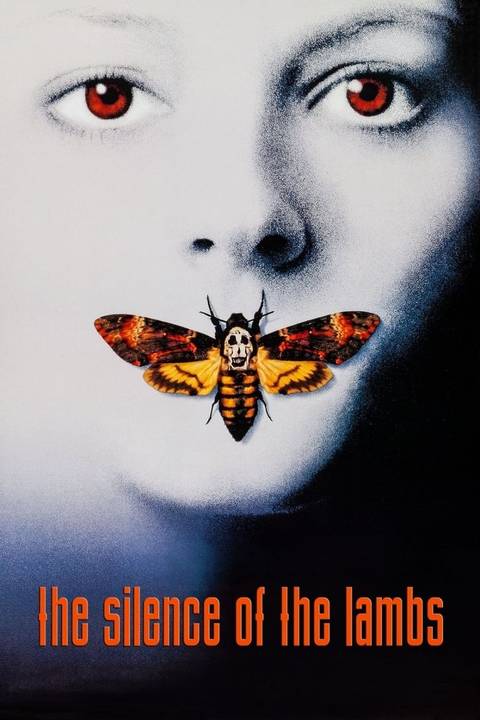
Currently standing as the only horror film to have won the Academy Award for Best Picture as well as one of only 3 films to win the Big Five, The Silence of the Lambs was an inescapable titan of pop culture that grew to prominence thanks to the undeniable quality of its filmmaking. Jonathan Demme's filmmaking elevates what was already an exceptional original novel and creates a perfect blend of horror, thrills, and performance that has stood the test of time as one of the greatest films of all time, horror or otherwise. .
This haunting story of an FBI student (Jodie Foster) hunting down a notorious serial killer (Ted Levine) and seeking the advice of another serial murderer (Anthony Hopkins) to catch the culprit has captivated and entranced audiences for decades now. The film finds this perfect balance of edge-of-your-seat thrills and deep-rooted terror that makes it one of the very best explorations of horror within the artform of filmmaking. It's one of the definitive must-watch films that everyone should experience at least once, as it's some of the best that film as a medium has to offer, especially in the realm of horror.
The Silence of the Lambs
- Release Date
- February 14, 1991
- Runtime
- 119 minutes
- Director
- Jonathan Demme
- Writers
- Ted Tally, Thomas Harris
KioskNews shows a cleaned-up reading view extracted from the publisher’s page — the original always lives on their site, not ours.