CNA Explains: Can a country be held accountable for genocide?
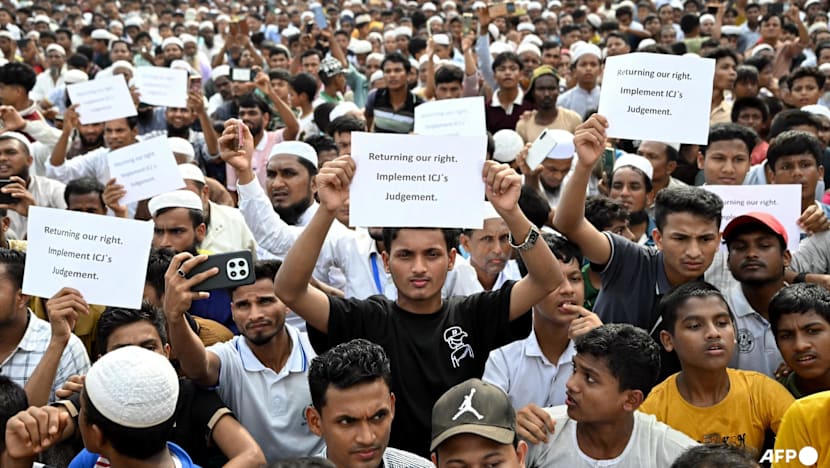
SINGAPORE: In a historic first, the United Nations’ top court has ruled that Myanmar committed genocide against the Rohingya people, nearly a decade after a brutal military crackdown forced hundreds of thousands to flee the country.
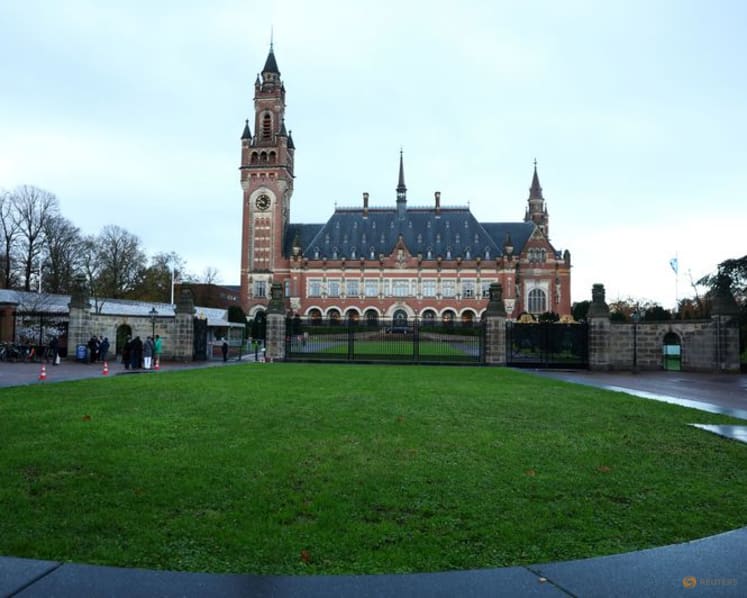
The International Court of Justice (ICJ) delivered its long-awaited verdict on Thursday (Nov 19), seven years after the West African country of Gambia brought the case against Myanmar.
In a nine-to-six majority ruling, ICJ judges found that Myanmar had committed genocide against the mostly Muslim minority and ordered the country to provide reparations to victims, with a two-year deadline to report on measures taken.
The landmark judgment marks the first time the ICJ has held a state accountable for genocide - and sets a precedent for how the 1948 UN Genocide Convention is applied to countries accused of such atrocities.
But while it marks a significant victory, questions still remain over whether Myanmar will comply with the judgement - and what happens if it refuses.
CNA examines what happens next, whether the ruling can be enforced and what it means for the Rohingya.
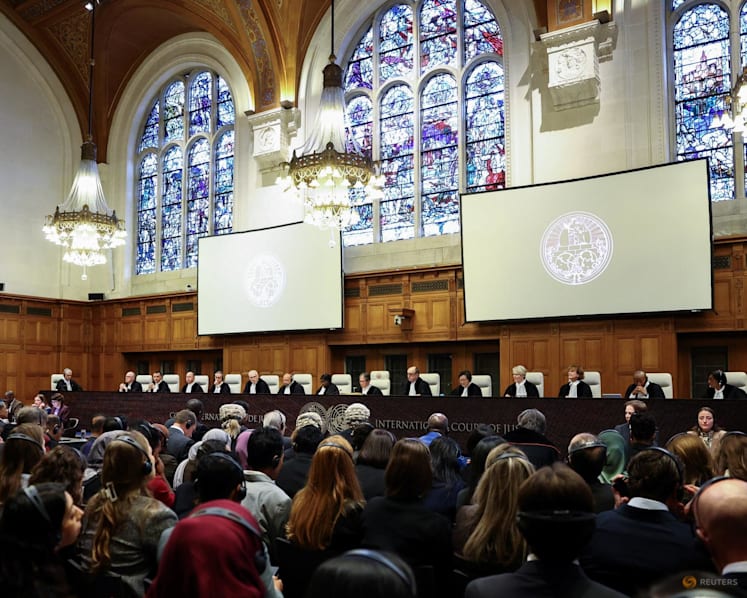
What did the court rule?
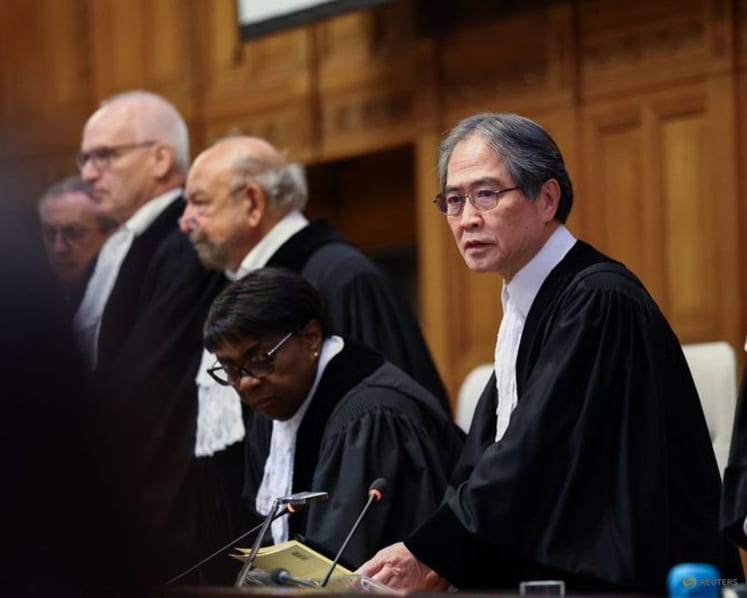
The three-hour ruling was delivered by presiding ICJ judge Yuji Iwasawa.
The court found Myanmar had the “intention to destroy” a substantial part of the Rohingya population during its military crackdown in 2017 - meeting the legal threshold for genocide.
It also found that villages had been “systematically destroyed”, with permanent structures built in their place and non-Rohingya people subsequently re-settled there.
The military had also “intentionally” caused “serious bodily and mental harm” to members of the minority group, while those forced to flee their homes had little or no opportunity to return.
Acts committed against Rohingya children demonstrated an intent to “prevent births” in the group, the ICJ said.
It ordered Myanmar to halt all acts of violence against the Rohingya and investigate those culpable, ensuring such atrocities would never occur again.
Crucially, the court also ordered Myanmar to provide restitution and reparations to victims - a move which human rights activists have long advocated for.
Measures should include allowing Rohingya refugees to safely return to their homes and facilitating the reunification of families, the court said.
While judges could not determine the amount of compensation owed, they ordered Myanmar to submit a report within two years, outlining measures complying with the judgment.
What happens now?
Attention now turns to whether, and how, Myanmar will comply with the ICJ’s ruling.
Myanmar's government has criticised the ruling as unfair, saying the country had been “unjustly accused”.
“I want to say that this decision is not a unanimous decision by everyone, it is not fair,” government spokesperson Khaing Khaing Soe told a press conference in the capital Naypyitaw on Friday.
The two-year deadline does not require Myanmar to complete all reparations or pay compensation by then. Under the judgment, the amount of compensation and arrangements for payment will be determined at a later stage.
But the country is legally obliged to comply with the judgment, which is final and cannot be appealed.
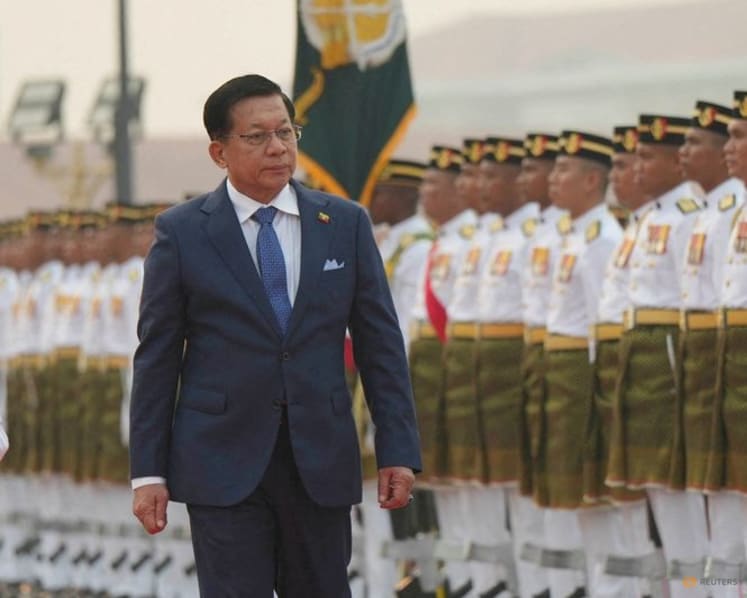
Speaking to CNA’s Asia First programme on Friday, associate professor Emma Palmer of Griffith Law School said the ICJ’s ruling could also undermine the legitimacy of Myanmar’s military leaders, including Min Aung Hlaing, who oversaw the 2017 crackdown on the Rohingya.
In 2024, ICC prosecutors requested an arrest warrant for Min Aung Hlaing over alleged crimes against humanity involving the persecution and deportation of the Rohingya group.
“That certainly affects the legitimacy of those leaders within Myanmar because they have been directly associated with now committing a genocide,” Palmer said.
Vincent-Joel Proulx, an associate law professor from the National University of Singapore (NUS) said the ruling could have a “snowball effect” on similar criminal proceedings at the International Criminal Court (ICC).
Countries like Israel, which faces allegations of genocide in Gaza before the ICJ, and Germany, which has been accused of facilitating and failing to prevent genocide in the territory, could also face greater scrutiny in light of the landmark ruling.
Can Myanmar ignore the ruling?
Experts have anticipated the government's response to the ruling - warning that the country could reject the genocide finding and portray the judgment as an infringement of its sovereignty.
“We can expect language from Naypidaw that denies genocide, frames the issue as addressing terrorism or security threats and emphasises Myanmar’s sovereignty,” said Moe Thuzar, senior fellow and coordinator of the Myanmar Studies Programme at the ISEAS-Yusof Ishak Institute, a Singapore-based think tank.
Myanmar could also portray the judgment as external interference in its domestic affairs, she added.
Regardless of its response, however, the country remains legally bound by the ICJ’s ruling.
Myanmar is “legally obligated” to comply with the judgement, said Proulx from NUS - given its status as both a party to the case and a signatory to the Genocide Convention.
But while ICJ judgments are final and legally binding, the court has no mechanism of its own to enforce them or compel states to comply, Proulx said.
What happens if Myanmar refuses to comply?
The country would be in continuing breach of international law if it fails to comply with the ICJ's ruling, noted Proulx from NUS.
If Myanmar refuses to implement the ruling, Gambia could refer the matter to the UN Security Council and seek action under Article 94 of the UN Charter, Proulx said.
But any such move could face political hurdles, including potential vetoes by permanent Security Council members with close diplomatic ties to Myanmar, such as China and Russia.
“Enforcement ultimately depends on political will,” said Thuzar from ISEAS-Yusof Ishak Institute.
Given these constraints, she suggested the matter could instead be raised at the UN General Assembly.
While any resolution adopted by the General Assembly would be non-binding, it could carry significant diplomatic weight by signalling the level of international consensus on the ruling, she added.
Beyond the UN, experts say the judgment could also pave the way for countries to exert greater diplomatic and economic pressure on Myanmar.
“The ruling gives other states the legal basis to shape their own responses to encourage Myanmar’s compliance, whether individually or collectively,” Thuzar said, adding that it also “raises the stakes for interactions with or support to Myanmar’s military authorities”.
Proulx from NUS similarly said the finding of genocide could prompt governments and regional organisations to impose targeted sanctions, limit diplomatic engagement or halt arms, security and data transfers to Myanmar.
Non-compliance could also damage Myanmar’s international standing and strain ties with its trading partners and regional neighbours - while making it politically more costly for its allies to continue supporting the military authorities.
ASEAN's Five-Point Consensus
Following a 2021 military coup, ASEAN has excluded Myanmar from high-level meetings as it has yet to make meaningful progress on the bloc's Five-Point Consensus to end hostilities.
During a meeting in April 2021, all ASEAN leaders reached a consensus about the situation in Myanmar.
The five points are:
First, there shall be immediate cessation of violence in Myanmar and all parties shall exercise utmost restraint.
Second, constructive dialogue among all parties concerned shall commence to seek a peaceful solution in the interests of the people.
Third, a special envoy of the ASEAN chair shall facilitate mediation of the dialogue process, with the assistance of the secretary-general of ASEAN.
Fourth, ASEAN shall provide humanitarian assistance through the AHA Centre.
Fifth, the special envoy and delegation shall visit Myanmar to meet with all parties concerned.
Collapse Expand
Following Thursday's ruling, the United Kingdom announced that it was expelling Myanmar's defence attache.
Closer to home, attention will also turn to how the Association of Southeast Asian Nations (ASEAN) responds to the judgment.
Proulx said the regional bloc could play an important role in efforts to secure Myanmar's compliance, particularly in the context of ASEAN's Five-Point Consensus aimed at addressing the country's political crisis.
Thuzar said the ruling could also influence ASEAN's progress-based approach to re-engaging Myanmar, including its continued restrictions on the country's political representation at ASEAN summits and foreign ministers' meetings.
“The ruling's two-year reporting deadline gives a clear benchmark against which the international community (and ASEAN) can measure Myanmar’s response,” she added.
Will things change for the Rohingya?
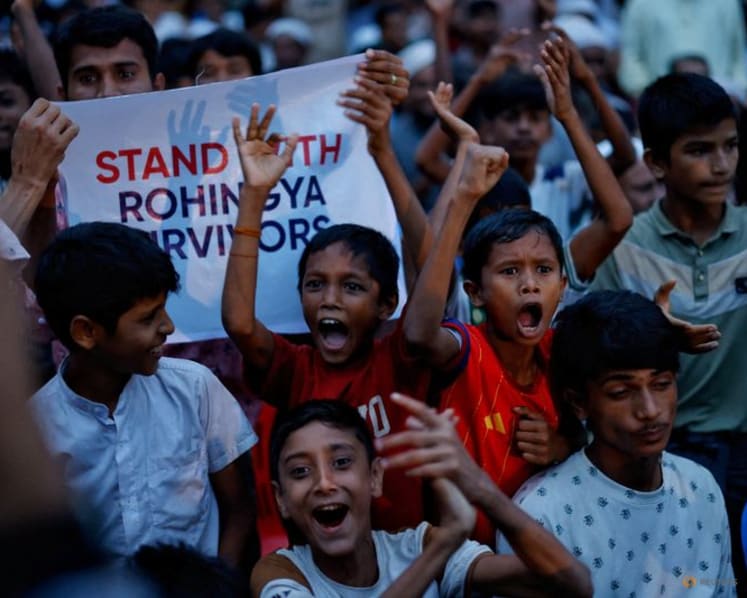
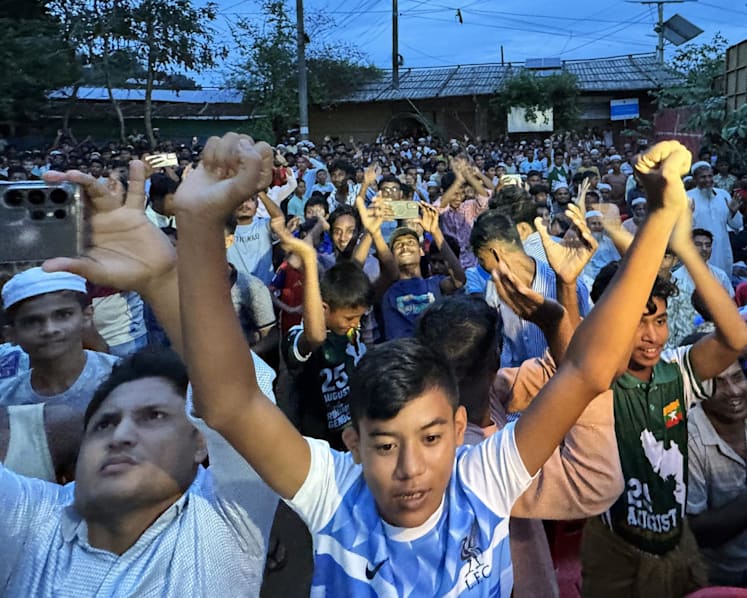
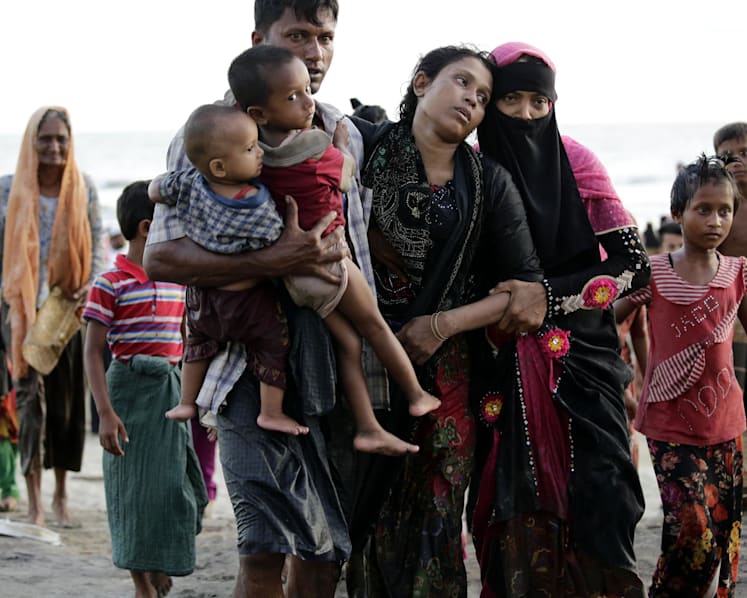
While the ruling marks a historic victory for the Rohingya, experts caution that it is unlikely to bring immediate relief to those displaced by years of violence and persecution.
“I think it is not going to change anything immediately,” Jaivet Ealom, secretary-general of the Rohingya Consultative Council, told CNA Asia Now.
The next two years will be an important test of whether Myanmar takes meaningful steps towards implementing the ruling, he added.
Proulx of NUS said that the ruling could bring significant benefits to the Rohingya if Myanmar complies with its obligations.
These could include the return of confiscated property, family reunification, rehabilitation for victims and financial compensation where property or other losses cannot be recovered.
But implementing such measures could prove difficult in the near term, given the ongoing conflict in Myanmar's Rakhine State between the military junta and the Arakan Army, amid continued violence against Rohingya civilians.
“Effective repatriation will also likely depend on potential political reforms to truly protect the Rohingya group from discrimination through means like enabling legislation to give effect to the Genocide Convention and citizenship reforms which the military regime appears to resist,” Proulx said.
Thuzar of the ISEAS-Yusof Ishak Institute similarly cautioned that the prospects of repatriation would hinge on improvements to conditions on the ground.
“Rather than placing a timeline on returns, the priority will be to ensure that any repatriation is genuinely safe and voluntary, and not rushed,” she said.
“The ruling gives a firmer legal basis for host countries to ensure safe, voluntary and dignified return,” she added.
Palmer of Griffith Law School stressed that the judgment must translate into concrete action by Myanmar and the wider international community.
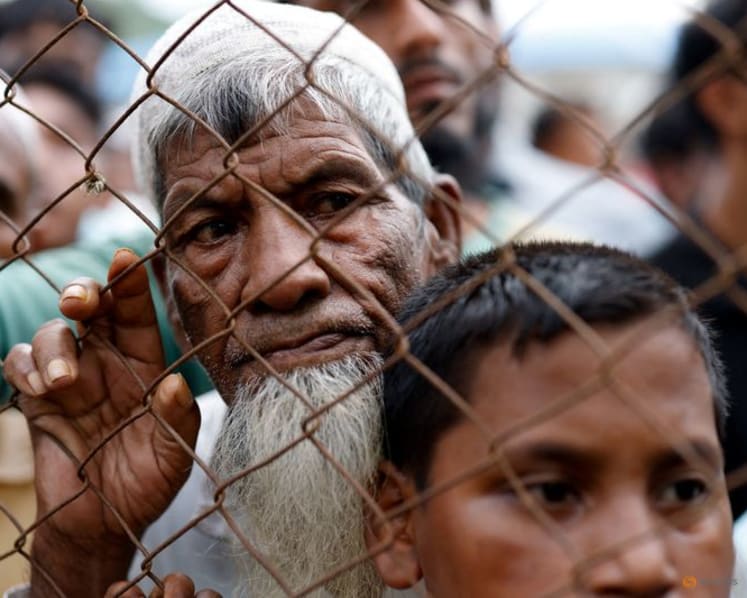
“It is an important judgment, but it should not just be a piece of paper,” she said, adding that the ruling should help galvanise political will among governments - including those in the region, to support the Rohingya, who continue to face precarious conditions in Bangladesh's Cox's Bazar refugee camps and elsewhere.
KioskNews shows a cleaned-up reading view extracted from the publisher’s page — the original always lives on their site, not ours.