The British Version Of M*A*S*H Was Hands Down The Funnier Sitcom
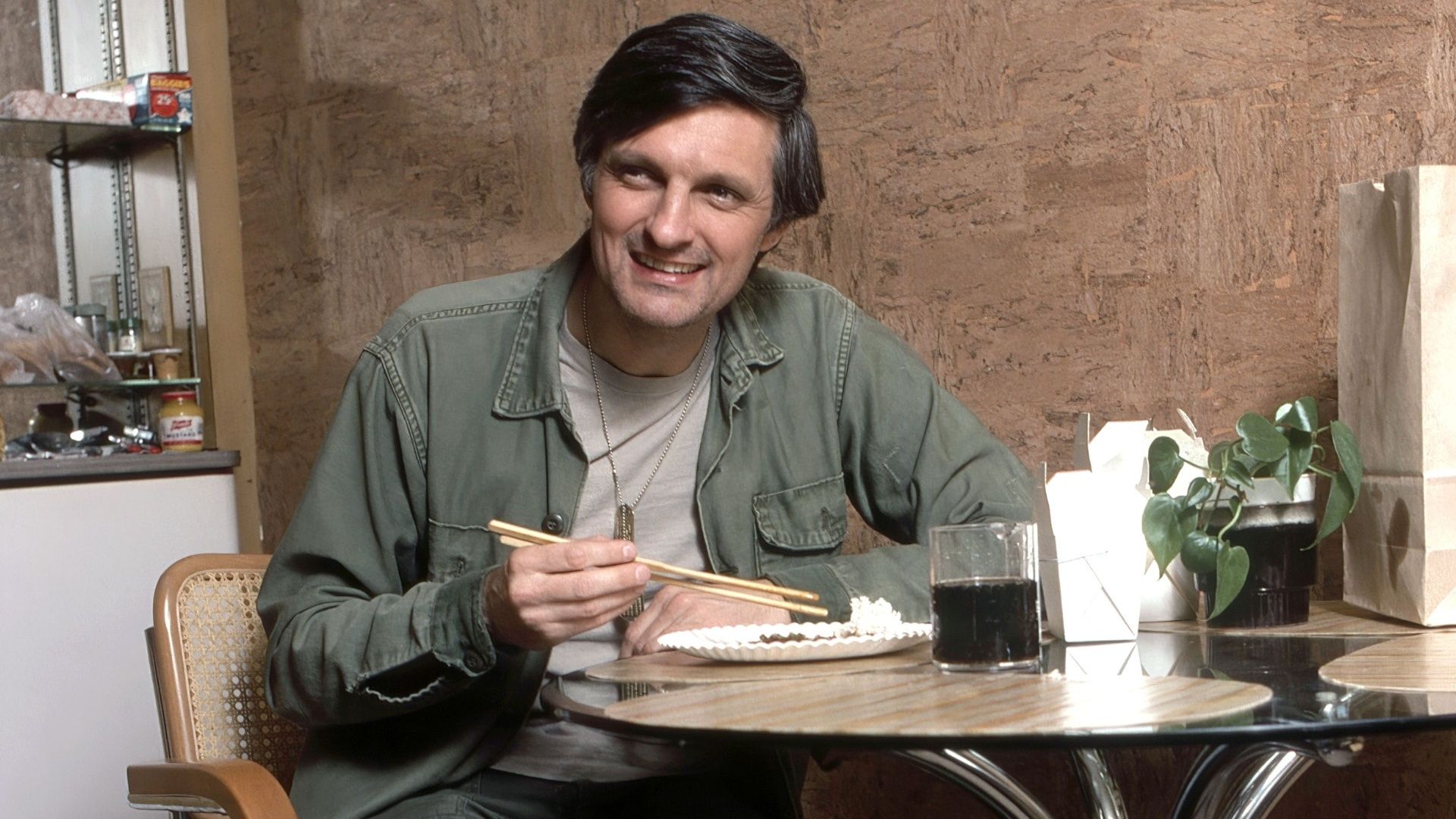

Ben Sherlock is a Tomatometer-approved film and TV critic who runs the massively underrated YouTube channel I Got Touched at the Cinema. Before working at Screen Rant, Ben wrote for Game Rant, Taste of Cinema, Comic Book Resources, and BabbleTop. He's also an indie filmmaker, a standup comedian, and an alumnus of the School of Rock.
Along with Cheers and I Love Lucy and The Honeymooners, M*A*S*H is one of the seminal American sitcoms that defined the genre and continues to influence TV creators to this day. Based on Robert Altman’s comedy blockbuster of the same name, M*A*S*H revolves around a medical unit during the Korean War, pushing through their bleak day-to-day activities with a sense of community (and a sense of humor).
Before M*A*S*H came along, multi-camera sitcoms were focused entirely on the laughs. Audiences tuned in to see what wacky antics Lucy Ricardo and Rob Petrie and Archie Bunker would get into that week, not to feel anything. But M*A*S*H injected the sitcom with a healthy dose of drama. It didn’t sacrifice any laughs, but it did hit on a deeper emotional level whenever it dealt with the very real horrors of war. M*A*S*H left audiences in stitches, just like any sitcom, but it was also the first sitcom to leave viewers in tears.
Without M*A*S*H, we wouldn’t have all these hybrids of comedy and drama, combining the laughs of a standard sitcom with the tearjerking tragedy of a deeper, darker drama, like The Bear and Fleabag and Better Things and Somebody Somewhere. But the UK’s version of M*A*S*H is an even funnier show.
Dad's Army Is Britain's Own Wartime Sitcom
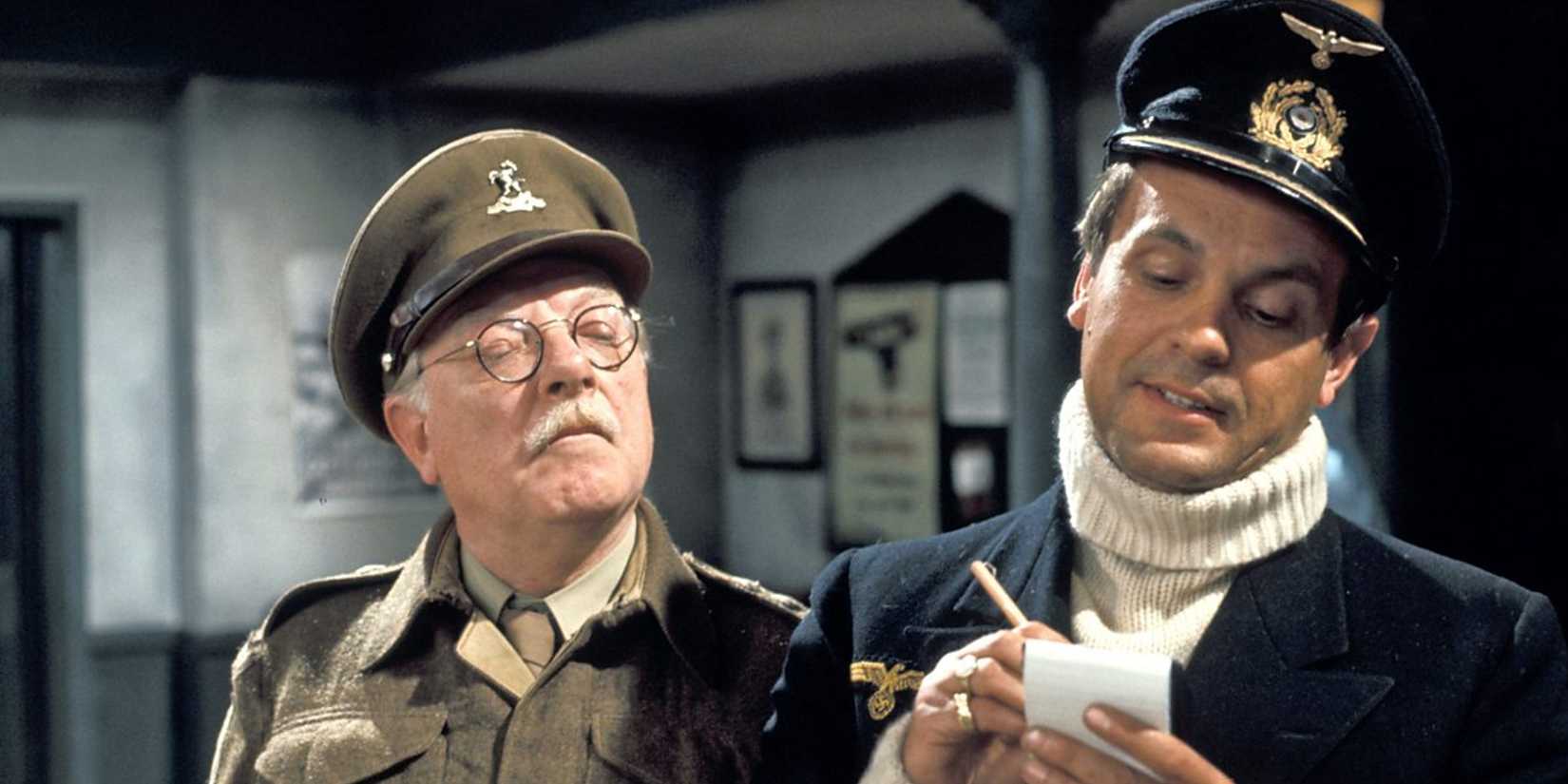
The place that M*A*S*H holds in American culture is held by Dad’s Army in British culture. Premiering in 1968, before even the movie version of M*A*S*H had come out, Dad’s Army takes place during World War II, when all the UK’s youngest, fittest, brightest boys have been sent off to fight, and all the old guys are left to defend the homestead.
Much in the same way that M*A*S*H allowed audiences to laugh through their post-war pain, Dad’s Army managed to make World War II funny. In 1968, a lot of people still remembered living through the Second World War, and younger generations were close enough to feel its aftermath, but Dad’s Army gave them an outlet to laugh at that tumultuous time. Dad’s Army took the nation’s collective trauma, significantly lowered the stakes by sticking with the Home Guard, and layered in a bunch of quotable one-liners and slapstick gags.
You could spend all day debating which show is better, but both M*A*S*H and Dad’s Army are great at what they set out to do. M*A*S*H is a much darker show, refusing to shy away from the grimmest, bleakest parts of warfare, whereas Dad’s Army is 100% focused on the funny. Whichever show is technically better, Dad’s Army is the funnier sitcom of the two, because it didn’t get bogged down in emotion.
Dad's Army Has A Very Different Tone Than M*A*S*H
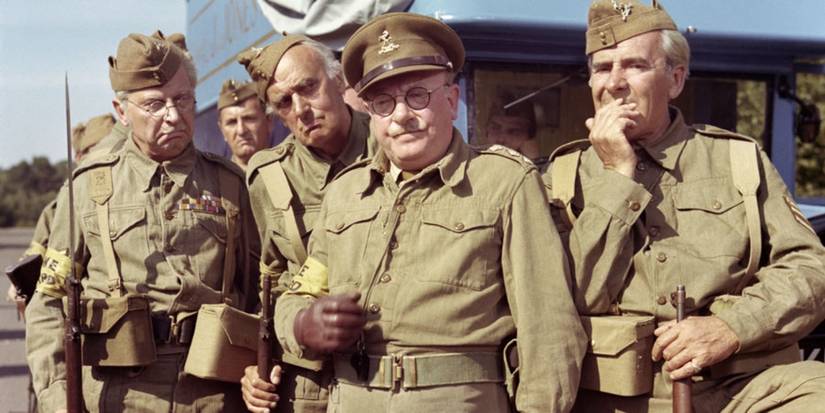
While both Dad’s Army and M*A*S*H are classic sitcoms set during a real-life war, they each have a very different tone, and a very different approach to their depiction of that war. M*A*S*H was notable for bringing some dramatic depth to the classic sitcom, occasionally going to a really dark place and refusing to undercut it with a joke, but Dad’s Army approached the war with an ironic smile.
In M*A*S*H, if the characters were captured and questioned by enemy officers, the writers would’ve used it as an opportunity to quiet down for a shocking or disturbing moment to highlight the horror of the conflict around them, like the infamous baby-smothering scene. But in Dad’s Army, it paves the way for one of the greatest one-liners in sitcom history. When a German officer asks for Private Pike’s name, Captain Mainwaring says, “Don’t tell him, Pike!” This difference in tone points to the difference between the two countries’ attitudes: Americans have a much easier time taking things seriously than Brits.

Dad's Army
- Release Date
- 1968 - 1977-00-00
-

Arthur Lowe
Captain George Mainwaring
-
John Le Mesurier
Sergeant Arthur Wilson
-
Clive Dunn
Lance-Corporal Jack Jones
-
John Laurie
Private James Frazer
KioskNews shows a cleaned-up reading view extracted from the publisher’s page — the original always lives on their site, not ours.