Father's prostate cancer ‘undetectable’ three years after terminal diagnosis
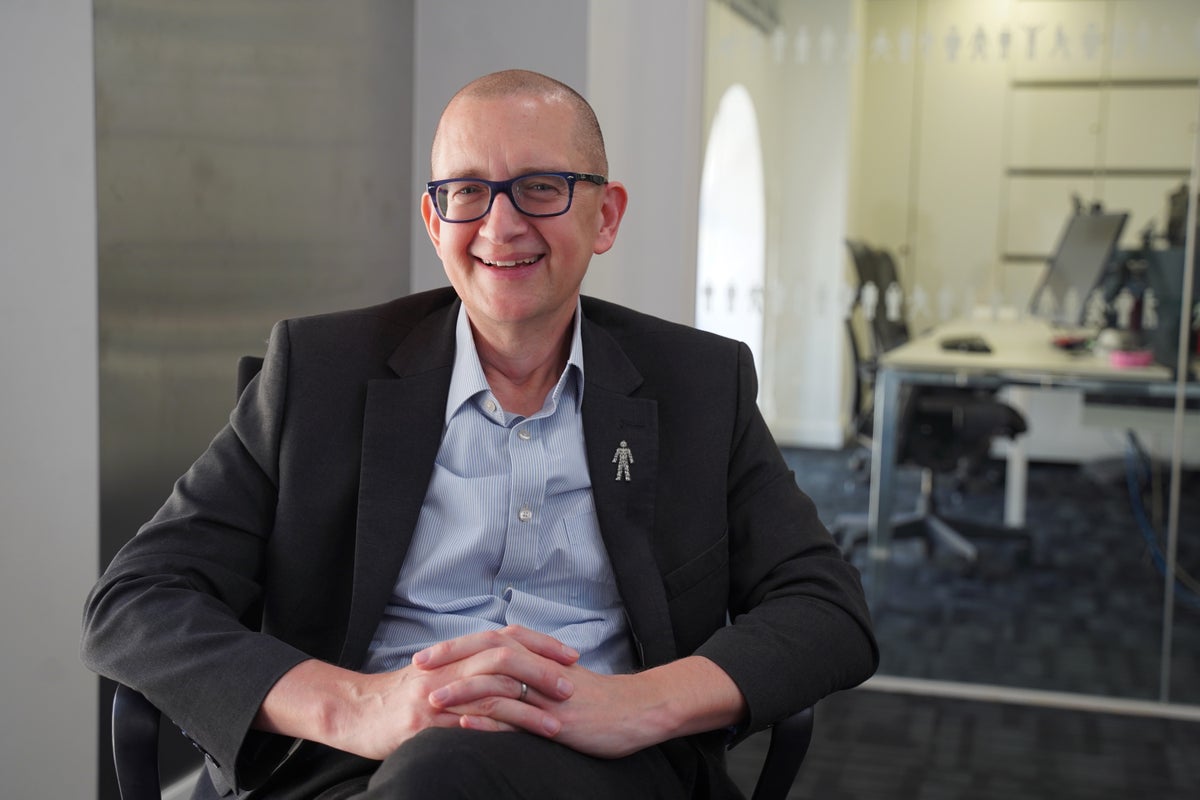
Men diagnosed with incurable advanced prostate cancer are living longer, according to new data.
The National Prostate Cancer Audit found that significantly fewer men with advanced disease are dying within three years of diagnosis compared to a decade ago.
Kevin Mortimer, a father from Liverpool, is one patient who has been told his cancer is now "undetectable" three years after he was given a terminal diagnosis.
Mr Mortimer, 51, was diagnosed with advanced prostate cancer on his daughter's 11th birthday. Doctors told him the cancer had spread to his bones and lungs, and that his case was “terminal”.
He said that telling his 11-year-old daughter about his diagnosis was “one of the most difficult things I have ever had to do”.
Three years on, his cancer is "undetectable" after a triple-pronged attack on the disease.
The treatment he received was triplet therapy, a new way of treating prostate cancer using three different treatments at once.
“Sitting with my 11-year-old daughter and the toy elephant she has had since she was a baby, to tell her that I had terminal cancer, was one of the most difficult things I have ever had to do,” Mr Mortimer said.
"Now, I've been able to celebrate two more of her birthdays and we're looking forward to Christmas, all thanks to the innovative treatment I received.
“Although I know I am a ‘super responder’ and not all men in my position would have had the same outcome, I’m living proof of how far treatments for prostate cancer have come in the past few years thanks to investment, innovation and cutting-edge science.”
He added: "While there has been real progress over recent years, I'll soon be in the minority of men to have lived so long after an incurable prostate cancer diagnosis and it's a sobering reminder that behind every statistic is a man and his family facing a difficult future.
"It makes me all the more determined to do what I can to support research and I hope my story can give hope to other men diagnosed with advanced prostate cancer and inspire researchers to keep pushing the boundaries of what's possible to improve and extend the lives of men with this diagnosis.
“I look forward to a time when living beyond three years with advanced prostate cancer is no longer something remarkable, but something every man with this diagnosis can reasonably expect.”
Main symptoms of prostate cancer
NHS
Prostate cancer usually starts to grow on the outer part of the prostate. If this happens, it can cause changes to the way you pee, such as:
- finding it difficult to start peeing or straining to pee
- having a weak flow of urine
- "stop-start" peeing
- needing to pee urgently or often, or both feeling like you still need to pee when you've just finished peeing during the night
Other symptoms can include:
- erectile dysfunction (being unable to get or keep an erection)
- blood in your urine or blood in your semen
- lower back pain
- losing weight without trying to
Another patient, Kevin Webber, was told that he had two years to live and is still running ultra marathons 12 years later.
The 61-year-old from Surrey said his “world fell apart” when he was diagnosed in 2014 and was told that he had an advanced form of the disease.
Some 12 years on, he has raised more than £1 million for the charity Prostate Cancer UK by undertaking multiple extreme challenges, including running in the Marathon Des Sables five times.
“When I was diagnosed with prostate cancer 12 years ago and was told I might only have two years to live, my world fell apart,” Mr Webber said.
"But after my diagnosis I went out for a run, which was one of the hardest things I've ever done, and that changed my life.
"Since then, I've had some incredible experiences and taken on some of the hardest endurance challenges around the world.
"A lot of this has been made possible by a shift in mindset, something I tell so many men I speak to about.
“But it’s also made possible by the tailored treatments I’ve received for my prostate cancer, and through advances in science and research that keep men like me on the road.”
He added: "I'm so proud to have helped raise money to fund groundbreaking research over the past decade, and to know it's helping other men like me live longer lives despite an advanced prostate cancer diagnosis.
"I want this disease to be one that men, including my own sons, no longer fear.
“But there is still a long way to go and more investment in research needed to get us to a world where every man gets personalised treatment that works for him, helps keep any difficult side effects at bay and makes sure he can carry on living his life to the full- or even running marathons like me.”
KioskNews shows a cleaned-up reading view extracted from the publisher’s page — the original always lives on their site, not ours.