5 Key Factors Behind Congress' Stunning Victory In Nagpur's BJP Bastion
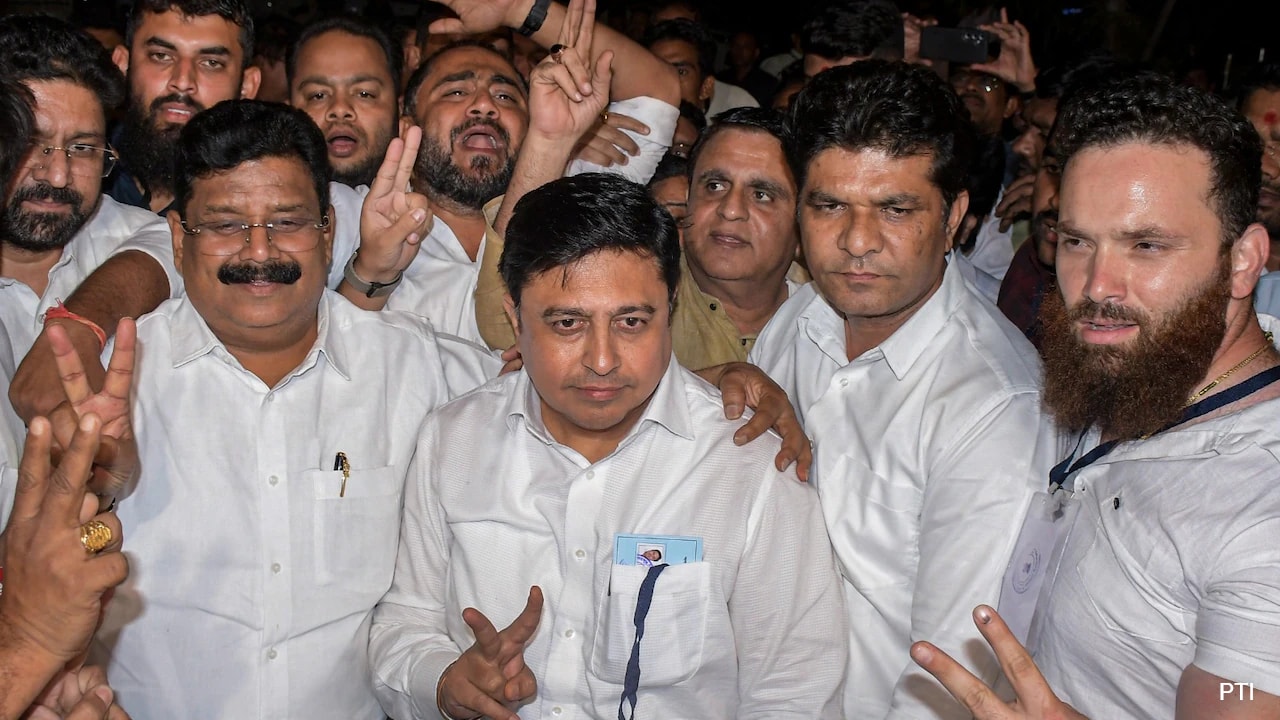
In a major political setback for the BJP, Congress candidate Abhijit Wanjarri successfully retained the Nagpur Division Graduates' Constituency seat by defeating his rival by 3,271 votes. The victory marks the second consecutive defeat for the BJP in a constituency considered its traditional fortress for nearly 56 years.
The BJP nominee Sudhakar Kohale's defeat comes despite high-decibel campaigning by heavyweights, including Chief Minister Devendra Fadnavis and Union Minister Nitin Gadkari.
Nagpur is Fadnavis and Gadkari's hometown, and the Nagpur Division Graduate constituency had been long represented by Gadkari, who was the MLC for over two decades.
Here's a look at the probable reasons that drove Congress to victory and led to the BJP's downfall in Nagpur:
The "Plan B" Advantage
A major turning point in the election was the vote distribution of social media influencer and independent candidate Nitesh Karale.
Karale's rustic, aggressive campaigning style resonated strongly with rural graduate minority SC-ST voters and allowing him to secure over 24,000 votes.
When neither main candidate reached the quota limit during the first preference count, Karale's second-preference votes overwhelmingly swung toward Wanjarri.
While the BJP relied entirely on a first-preference win, Wanjarri successfully leveraged this "Plan B" cushion to overtake Kohale's initial second-round lead.
Alarmingly High Number Of Invalid Votes
Out of 1,65,906 total votes polled, a staggering 15,032 votes were declared invalid, meaning nearly 1 out of every 11 educated graduate voters made procedural errors on their ballot papers.
This broke the previous record of 11,540 invalid votes set in 2020.
Crucially, reports indicate that around 4,000 ballots had two preference numbers marked directly next to Kohale's name, immediately invalidating them and severely undercutting the BJP's expected final tallies.
Rebellion Within BJP
The selection of Sudhakar Kohale triggered internal friction within the BJP and its parent organisation, the Rashtriya Swayamsevak Sangh (RSS).
Former MLA Anil Sole maintained his rebel stance against the party's official nominee, fracturing local cadres and weakening overall booth-level coordination.
The presence of hidden sabotage and discontent among key party factions left BJP's usually well-oiled electoral machinery divided and vulnerable at crucial polling stations.
Abhijit Wanjarri's Consistent Groundwork
Unlike the BJP's last-minute high-profile blitz, Abhijit Wanjarri spent the entire six years of his previous tenure systematically cultivating relationships with graduate voters across the Vidarbha region.
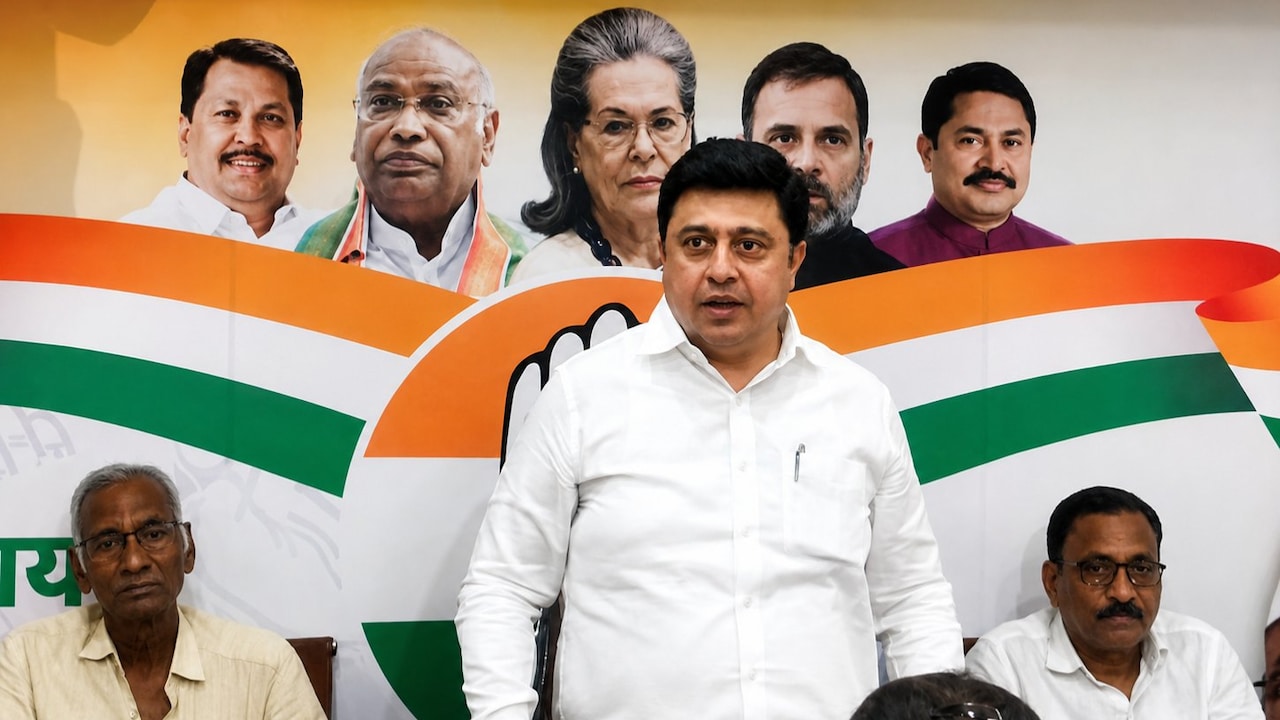
His persistent outreach, micro-level voter enrollment drives and disciplined strategic planning enabled him to retain a strong base of loyal voters, proving that consistent ground presence could outweigh heavy celebrity endorsement.
Widespread Voter Confusion
Despite representing a highly educated electorate, the high invalidation rate highlighted a failure in voting procedure awareness.
Voters routinely confused the preferential numerical system (1, 2, 3) with traditional tick-marks, signatures or erroneous double-marking.
The Election Commission, alongside the candidate campaign teams, failed to clearly educate the public on preferential voting rules, creating procedural slip-ups that ultimately cost the BJP thousands of decisive votes.
KioskNews shows a cleaned-up reading view extracted from the publisher’s page — the original always lives on their site, not ours.