Tai Po fire report: lessons from a tragedy
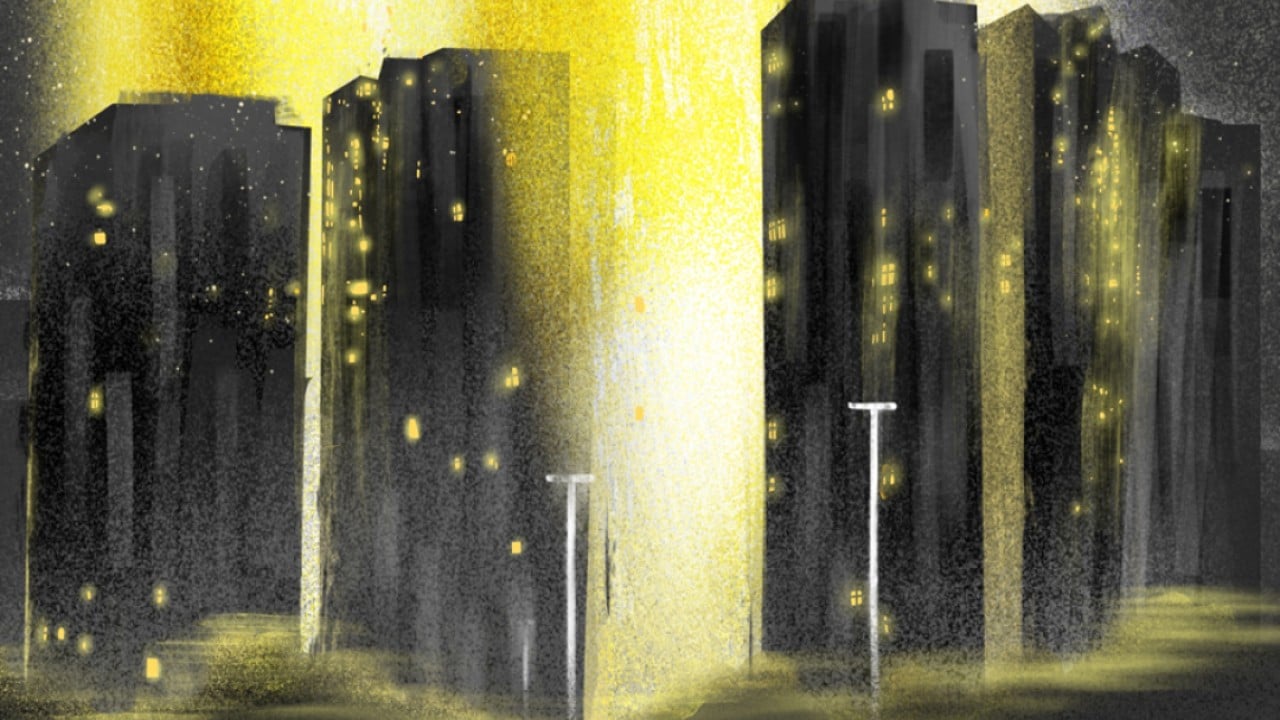
On November 26, 2025, a fire erupts at Wang Fuk Court in Tai Po, spreading rapidly to all but one 31-storey block at the estate and lasting for more than 43 hours. The inferno claims 168 lives, making it Hong Kong’s worst fire-related catastrophe in decades.
On December 12 that year, Hong Kong leader John Lee Ka-chiu orders an independent committee to be established to investigate the tragedy.
The judge-led panel’s investigation report is made public on October 29, with the city leader and senior officials apologising for the fire, vowing to pursue accountability and rolling out reforms.
ACCOUNTABILITY ▼
NEXT STEPS ▼
An independent, judge-led committee investigating Hong Kong’s deadliest fire in decades has identified those responsible for the tragedy, nearly a year after the blaze, following months of hearings and evidence examination.
The fire at Wang Fuk Court, which was undergoing a HK$336 million renovation, engulfed seven of its eight blocks at an alarming speed on November 26 last year, killing 168 people, injuring 79 and displacing about 5,000 residents.
Releasing the report at a press conference on October 29, Chief Executive John Lee Ka-chiu and senior officials bowed and apologised for the tragedy for the first time, with housing chief Winnie Ho Wing-yin resigning to take political responsibility.
The 1,154-page report said that the renovation project's contractor deserved the “strongest condemnation” for using substandard materials and deceiving authorities at the expense of residents’ safety. Four government departments, notably the Housing Bureau’s Independent Checking Unit, were also criticised for inadequate oversight.

HOW THE FIRE STARTED
The inquiry concluded that a lit cigarette was most likely to have caused the fire, igniting flammable rubbish and debris that had accumulated on the flat roof of the light well between flats 104 and 105 of Wang Cheong House and causing it to smoulder.

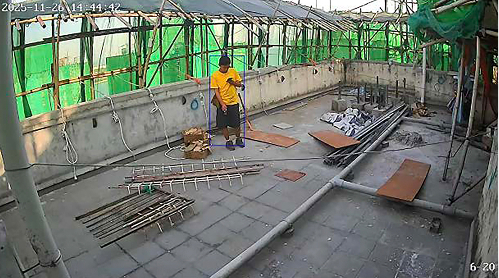
More than a dozen complaints about workers smoking were made to government departments before the fire. Surveillance cameras captured a worker smoking on the rooftop of Wang Cheong House shortly before the fire was discovered.
The blaze soon spread vertically and laterally through the block along the substandard scaffolding mesh, before spreading to the estate’s seven other blocks, all of which had been enclosed in combustible materials for more than a year.
About 20 minutes after the fire broke out, all of Wang Cheong House was engulfed in flames.
The fire swept through six other blocks of the residential complex within 85 minutes.
ACCOUNTABILITY
While the report found that contractor Prestige Construction and Engineering and consultant Will Power Architects should bear the greatest responsibility for the fire, it also singled out four government departments for failing to effectively rectify potential fire risks and scrutinise the firms’ work.
The oversight bodies – the Independent Checking Unit, Buildings Department, Fire Services Department and Labour Department – were found to have failed residents who had filed a large volume of complaints about renovation safety, only to see their concerns passed from one department to another without satisfactory resolution.
The report listed 180 complaints and inquiries that various departments received during Wang Fuk Court’s renovations. The committee found that none of the departments took effective ownership of fire safety issues, leaving the complaints to fall into a vacuum.
The committee concluded that the inferno resulted from the faults and deliberate misconduct of individuals in the private sector, and from decades of failure to identify fire risks in building maintenance work across the construction, fire safety engineering and building management industries, as well as in government.
Contractor and consultant
The committee placed most of the blame for the tragedy on Prestige Construction and Engineering, the renovation contractor, and Will Power Architects, the project consultant.
It slammed the two companies for deliberately cutting corners in numerous respects, including using substandard scaffolding mesh and covering windows with flammable foam boards - measures that directly contributed to the rapid spread of the fire and the heavy casualties.
The report said the two companies ignored all complaints and safety concerns raised by residents, suggesting they cared only about maximising financial gains.
The committee named the following four people as the main culprits for the inferno and the heavy death toll, and said they deserved the "most severe criticisms".

The use of non-fire retardant scaffolding nets and attempts to deceive authorities
The committee said Prestige and Will Power bought non-fire-retardant scaffolding nets as replacements to cut costs after typhoon damage in July last year, and deceived authorities by ordering 115 sheets of fire-retardant nets and placing them at strategic locations. The report described it as the “most immoral and irresponsible conduct”, which put all Wang Fuk Court residents' lives at risk.

Created staircase access openings for the convenience of workers
The committee said Prestige and Will Power bore primary responsibility for creating illegal access openings in the staircases. It said if the staircases were protected from fire-rated windows, they could have remained viable means of escape for a longer period and might have saved more lives.

Installed flammable foam boards on the windows
The committee criticised Prestige and Will Power for the simultaneous enclosure of all eight blocks with combustible foam boards, and failing to address residents’ concerns regarding the boards’ fire retardancy.

Refusal to implement phasing of work
Instead of complying with the new owners’ corporation's request to erect scaffoldings in phases, Prestige refused, citing various costs and labour issues as its excuse.
Housing Bureau’s Independent Checking Unit
The committee identified the ICU as the entity primarily responsible for supervising the execution of the renovation work at Wang Fuk Court, and it failed in its supervisory duties, with systemic failings at both the policy and operational levels.
The report said the ICU should bear more responsibility, citing a lack of sense of crisis, regulatory lapses, systemic blind spots, and enforcement failures.
Failed to conduct site inspections
The committee noted that the ICU established no effective mechanism to supervise the registered inspector's work and did not carry out site inspections during the renovation works, saying it adopted only a “complaints-driven” approach that handed the supervisory responsibilities to the public, and relied on contractors and professionals to regulate themselves.

Failed to act on complaints
While complaints were the sole trigger for action by the ICU, the committee criticised it for not handling numerous safety concerns voiced by Wang Fuk Court residents, including the use of foam boards, unsafe scaffolding nets and workers’ smoking behaviour. The report slammed the ICU for closing cases without verification or conducting meaningful investigation. In some cases, it even directed complainants back to the parties under complaint.

Tipping off contractors ahead of checks over nets
The committee pointed to the ICU’s pre-notification of inspections of scaffolding nets’ fire retardancy, on three occasions: October and November 2024 and October 28, 2025. On each occasion, Will Power and Prestige were given prior notification, a move that enabled Prestige to substitute non-compliant materials.
It also criticised the ICU’s quick burn test as inadequate to verify the fire retardancy of the mesh. The unit also failed to check the certificate of the nets.

Failure to detect worker access openings and address foam board use
The committee slammed the “slack enforcement attitude” of the ICU. It said the ICU failed to notice the fire safety breach despite clear photographic evidence of worker access openings in documents submitted for minor works.
It also said the ICU received complaints about using foam boards to cover windows as early as September 2024; however, the unit did not follow up thoroughly or verify the claim.
Buildings Department
The committee identified the Buildings Department as sharing supervisory duties with the ICU for the renovation project at Wang Fuk Court, but with a smaller share of responsibility. The report noted that its deficiencies focused on the policy level, as well as the failure to audit the ICU's performance.

Failure to perform its responsibility to audit ICU
While the Buildings Department delegated statutory control powers over building works in subsidised buildings to the ICU, the committee said the department never audited the ICU. The committee believed that if the department had exercised its audit function at any point, it was likely to have discovered the ICU’s systemic deficiencies.

Failure to inform the ICU of the new site inspection policy
The committee said the Buildings Department failed to communicate effectively with the ICU and did not inform it of a new site safety inspection policy adopted in 2023. Had the ICU known about this policy, there was a “fairly high chance” of spotting the worker access openings.

Classifying the renovation project as “minor works”
The committee questioned the department’s classification of a large-scale renovation project as “minor works”. The report noted the irony that the HK$330 million renovation project, which involved fully renovating the external walls of eight blocks of high-rise residential buildings, was not classified as major works requiring the ICU’s approval and consent.
Overreliance on building professionals’ integrity & inadequate regulation of temporary materials
The committee said the department's current regulations lacked an effective mechanism to supervise the registered inspector's work, relying on them to regulate themselves.
It also said current regimes lacked sufficient and clear guidelines about fire safety standards of temporary building materials, leaving room for exploitation by unscrupulous building professionals.
Fire Services Department
The committee pointed to the Fire Services Department's failings in addressing the fire hazards at Wang Fuk Court and the “lack of sense of crisis”.
It criticised the department as the body primarily responsible for identifying and abating fire hazards for failing to notice two “life-threatening risks”: the disablement of fire alarms and the access openings in the escape staircases, both of which contributed to the catastrophic loss of life in the tragedy.
The report also noted that the department reckoned that passive fire safety provisions, such as emergency staircases, fell within the purview of the Buildings Department and the Housing Bureau’s ICU, creating a grey area and regulatory vacuum for fire safety issues.

Failure to follow up on complaints about fire safety concerns
The report noted that the Fire Services Department received dozens of complaints from Wang Fuk Court residents, including the use of foam boards to cover windows, workers’ smoking behaviour, and obstruction of fire escape routes. The department, however, adopted a “merry-go-round” attitude and failed to follow up on most complaints by arguing that such issues were outside its purview, the committee found.

Failure in monitoring the shutdown of fire service system
The committee criticised the department for its structural deficiencies in the “shutdown notice” mechanism and enforcement, as well as the inadequacy in on-site risk assessment, which left the fire alarm and hose reel systems in Wang Fuk Court deactivated and undetected for months until the blaze broke out.
Labour Department
The committee concluded that the Labour Department should bear less responsibility than the other three bodies, noting that it was primarily responsible for occupational safety and acknowledging its lack of expertise in building materials and procedures. However, the report criticised the department for only “following the book” when handling complaints and for failing to address key fire hazards, including workers’ smoking behaviour.

Failure to address workers’ smoking habits
The committee said the Labour Department's handling of smoking-related complaints was unsatisfactory, noting that it repeatedly found the complaints unjustified because its staff failed to find anyone smoking or any cigarette stubs at the scene during inspections, contrary to reality.
The report also noted that the department failed to use its no-smoking order powers, as it interpreted the relevant regulation narrowly and refused to recognise that large quantities of combustible materials on scaffolding constituted substances involving danger from fire.

Failure to verify scaffolding mesh’s fire-retardancy
The committee said the department failed to verify the scaffolding nets’ fire retardancy and mistakenly accepted the same certificates twice.

Failure to detect worker access openings and address foam board use
The committee rebutted the department’s argument that escape route integrity fell under the Buildings Department or the Fire Services Department’s purview, as access openings also compromised workers' means of escape. It also criticised the department for never inspecting Wang Fuk Court’s staircases for fire safety issues.
The committee also suggested that, although building materials were outside the department’s remit, the use of foam boards on the external walls could pose a fire risk to workers, which the department had also failed to address.
Other parties
The judge-led panel did not identify any shortcomings with the police force, the Home Affairs Department or the Urban Renewal Authority regarding oversight of the fire risks.
The report named Wang Fuk Court’s property management company, ISS EastPoint, for its responsibility in respect of the shutdown of the fire service system. It criticised ISS’s lax work environment and culture, where staff failed to pay attention to the system's deactivation. The committee further noted that ISS should have acted more proactively to address workers’ smoking behaviour and the creation of access openings.
The report also criticised China Status Development and Engineering, the fire service contractor that applied to shut down Wang Fuk Court’s firefighting system, for acting only as a dummy contractor and failing to discharge its crucial duty to supervise the deactivation of the fire service installations.
SUSPECTED BID-RIGGING

Suspected bid-rigging
According to the committee, evidence showed that there were “numerous features” of Wang Fuk Court’s renovation project that bore the hallmarks of bid-rigging and anticompetitive conduct.
The key features included Will Power securing the consultancy role with an aggressively low bid and taking control, then expanding the scope of works to triple the project’s costs from the initial estimate of HK$102 million to HK$336 million.
Although there was no direct evidence of payment or benefit passing from Prestige to Will Power, the committee said it “makes no commercial sense” to operate at a loss unless the latter was remunerated through other, possibly nefarious, means.
The report also highlighted the “dummy” role of the renovation project’s registered inspector, Will Power director Wilson Ng Yeuk, whose duty was simply to sign government paperwork to give the project the appearance of legality and exercise no supervision over the works.
Another observation highlighted in the report was that the same concentrated proxy votes held by the then owners’ corporation chairman and vice-chairman delivered every critical appointment for the renovation works, such as the project consultant and contractor.

Urban Renewal Authority
The committee said the Urban Renewal Authority played a central role, as its function was to serve as a safeguard and reduce the risk of bid-rigging in building maintenance projects. However, the authority maintained that it was merely a facilitator and lacked sufficient resources and law-enforcement powers to tackle bid-rigging.
The report criticised the authority’s Smart Tender Scheme for giving the public a “false sense of security”, as it left homeowners with the impression that the URA would monitor the tendering process and the quality of work. It said the authority failed to meet the public's reasonable expectations as a gatekeeper against bid-rigging.

Property Management Company - ISS EastPoint
In its report, the panel suggested that the property management company, as the only professional party with daily contact with homeowners and custody of the proxy ballots and voting machinery, should bear the responsibility to ensure the integrity of the process.
The committee said ISS EastPoint, Wang Fuk Court’s property management company, however, did not follow up on numerous homeowner complaints about improper proxy vote collection, and that its record-keeping failed to distinguish between votes cast in person and by proxy, contributing to the lack of transparency.

Former district councillor Peggy Wong Pik-kiu
The committee stressed that the evidence did not suggest Peggy Wong, who served as a district councillor during the renovation works, was personally involved in bid-rigging or anti-competitive conduct. However, her involvement sharpened the intense dispute and controversy in the selection process for the project consultant and contractor, and it was reasonable for residents to raise queries about her role in the tendering process. Wong resigned from office in September amid the controversy.
NEXT STEPS
Committee’s recommendations
In its final report, the judge-led committee put forward 120 recommendations to address fire safety risks and improve large-scale building maintenance and renovation projects, ranging from short-term measures such as the immediate implementation of a ban on access openings to law reforms, including criminalising bid-rigging and tightening fire safety regulations.
Criminalising bid-rigging
A criminal offence should be drafted broadly to cover all conduct that aims to influence a tender's outcome, while the government should also consider adopting a “dual-track” system to tackle bid-rigging through criminal and civil actions.
Enhancing Support Service to Homeowners
The government should consider broadening the service's reach to cover homeowners, and technological solutions should be implemented to detect bid-rigging and other misconduct algorithmically.
Introducing fee scales, vetting and standardised bills of quantities
Authorities should consider adopting a more structured approach to identifying and testing unusually low bids, and consider incorporating standardised “bills of quantities” into the tender under the enhanced support service.
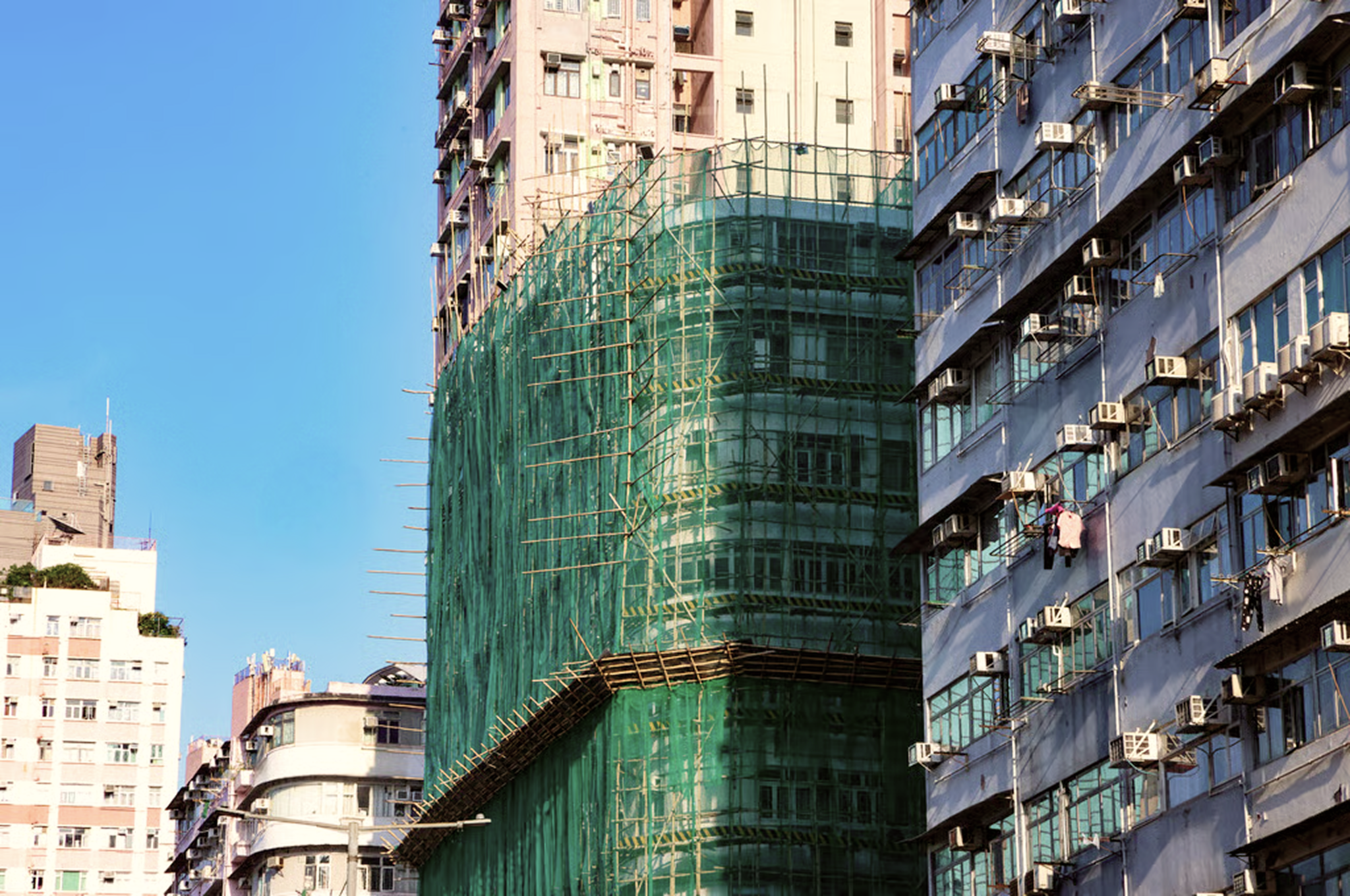
Potential transition from bamboo and plastic nets to non-combustible materials
Explore a potential transition from traditional bamboo scaffolding and combustible plastic wraps to alternatives such as metal scaffolding, subject to site compatibility.
Fire safety testing and accreditation of construction materials
Expand the testing regime to include surprise inspections and independent verification through government-designated laboratories or other accreditation bodies.
Improve complaints and inspection practices
The Housing Bureau’s Independent Checking Unit and the Buildings Department should abolish all pre‑arranged scheduling or liaison notices for material safety audits and complaint investigations. The Fire Services Department should physically examine fire service installations. The Labour Department should address risks posed by temporary materials and refine its inspection approach.
The government should establish an interdepartmental task force so all relevant departments are aware of, and promptly address, work-related risks and other concerns.
Strengthened regulation of Registered Building Professionals and Contractors
Legislate to prohibit the delegation of critical milestone inspections to junior representatives, and ensure that the statutory duty of site supervision is personal and non-delegable.
Require all registered general building contractors, minor works contractors and building professionals to be subject to periodic renewal of registration status.
Actions by the government
After releasing the independent committee’s report, the government pledged reforms in seven areas to combat bid-rigging in building maintenance works and improve the regulatory framework and support services, including revising six pieces of legislation and establishing a steering committee to prevent similar disasters from recurring.
Criminalise bid-rigging in building maintenance and renovation projects
The government will introduce a criminal offence with penalties of up to 10 years’ imprisonment and fines capped at HK$10 million (US$1.3 million), three times the commercial gains derived from the offence, or 50 per cent of the annual local turnover for infringement.
The current civil liability framework for bid-rigging conduct will also be enhanced, with the maximum penalty raised to an HK$8 million fine, twice the commercial gains obtained from the contravention, or 30 per cent of local turnover for up to three years during the period of contravention.
Establish cross-departmental task force to combat crimes relevant to bid-rigging
The task force will comprise police, the Independent Commission Against Corruption, and the Competition Commission to launch joint investigations, provide mutual support and enhance intelligence gathering and exchange.

Establishment of Building Maintenance Support and Services Council
The new body will provide support and services in various stages of building maintenance and renovation, and aim to offer reliable assistance to owners in fulfilling their maintenance responsibilities and perform a gatekeeping role on consultants and contractors.
Reform operation and regulatory system for building maintenance and renovation
The government will submit an amendment to the Buildings Ordinance by the end of the year to introduce a new category for large-scale maintenance and renovation, placing these works under tighter supervision and at risk of harsher penalties. It will also strengthen the audit and inspection regime, raise maximum fines for non-compliance, introduce new offences and elevate building and fire safety standards.
Replacing Housing Bureau’s Independent Checking Unit
The embattled Independent Checking Unit will be disbanded and replaced by a new Public Housing Building Control Section. The new section will implement a new regulatory regime by operating on a project basis, to co-ordinate and manage the regulation of major building maintenance and renovation projects in individual housing estates in an integrated manner.
Establish a centralised data system
The centralised system will share safety information on building maintenance and renovation works, convictions for non-compliance, and records on professional conduct among departments.
Establish a steering committee to oversee reforms
The committee, led by Chief Secretary Eric Chan Kwok-ki, will review each recommendation from the independent committee and drive and monitor their implementation.
VICTIM PROFILE
The inferno claimed 168 lives and left 79 others injured, with most of the fatalities occurring in Wang Cheong House and Wang Tai House, the two blocks where the blaze first broke out and then spread. Most of the victims were women and elderly residents who had remained at home during the day.
Hong Kong will mark the first anniversary of the disaster on November 26.
Survivors remain grief-stricken as they mourn lost loved ones, while most displaced residents are still in temporary housing, waiting to begin a new chapter forced upon them. Attention will turn to whether the government’s bold reforms can make a difference and ensure such a tragedy is never repeated.
KioskNews shows a cleaned-up reading view extracted from the publisher’s page — the original always lives on their site, not ours.