Noses, eyes, body hair: Israeli historian examines SS’s ‘race tests’ used for 'Germanization'
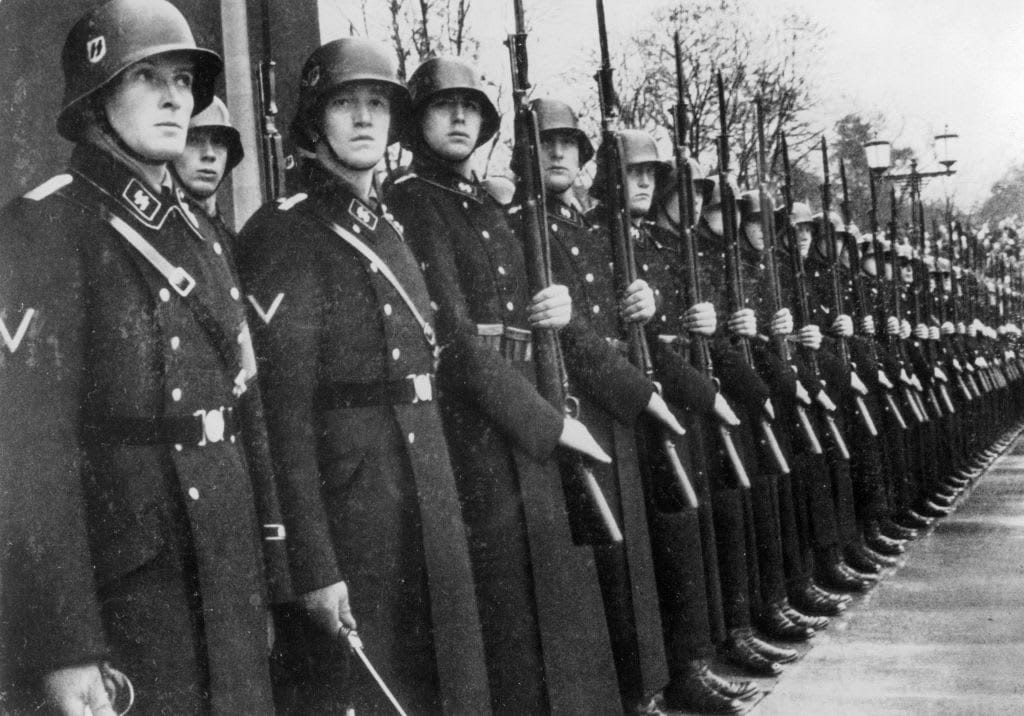
Noses, eye color, and body hair were among 21 physical traits the SS assessed to classify people by “race,” according to a new paper by Tel Aviv University historian Amir Teicher.
Published on November 1 in Berichte zur Wissenschaftsgeschichte, the paper describes Teicher’s work with wartime “race cards” preserved in Germany’s Federal Archives.
Examiners recorded physical features on standardized forms, assigning values from one to five. Separate grades recorded supposed racial composition, suitability for the SS, and family classifications.
The back of the skull could be classified as protruding, round, or flat. Hair texture ranged from straight to tightly coiled.
The pseudoscientific examinations formed part of Nazi efforts to identify people considered suitable for “Germanization” in occupied Europe. Teicher writes that SS experts screened more than a million people during the war.
His project began in 2019. Converting handwritten marks into data raised questions about how examiners used the forms: a mark’s position within a box could carry meaning lost in a simple transcription.
The November paper focuses on research methods. Teicher says his findings about the examiners’ reasoning will appear separately.
SS took children from Czech village for 'Germanization'
The consequences of Nazi racial selection were documented after the destruction of the Czech village of Lidice in June 1942. According to the US Holocaust Memorial Museum, SS personnel examined children sent from the village to occupied Poland and selected nine for Germanization.
Those children were given German names, taught to speak German, and subsequently placed with German adoptive parents through the Lebensborn program. German authorities murdered approximately 80 other Lidice children who had been excluded from that selection. Evidence indicates they were gassed at the Chelmno killing center.
Lebensborn had begun as an SS program supporting births among women the Nazis deemed racially valuable. During the war, it became involved in placing kidnapped foreign children with German families. Some adopting families believed the children had been orphaned by the war.
KioskNews shows a cleaned-up reading view extracted from the publisher’s page — the original always lives on their site, not ours.