Likud primary underway in heated contest for few remaining slots on party’s Knesset list
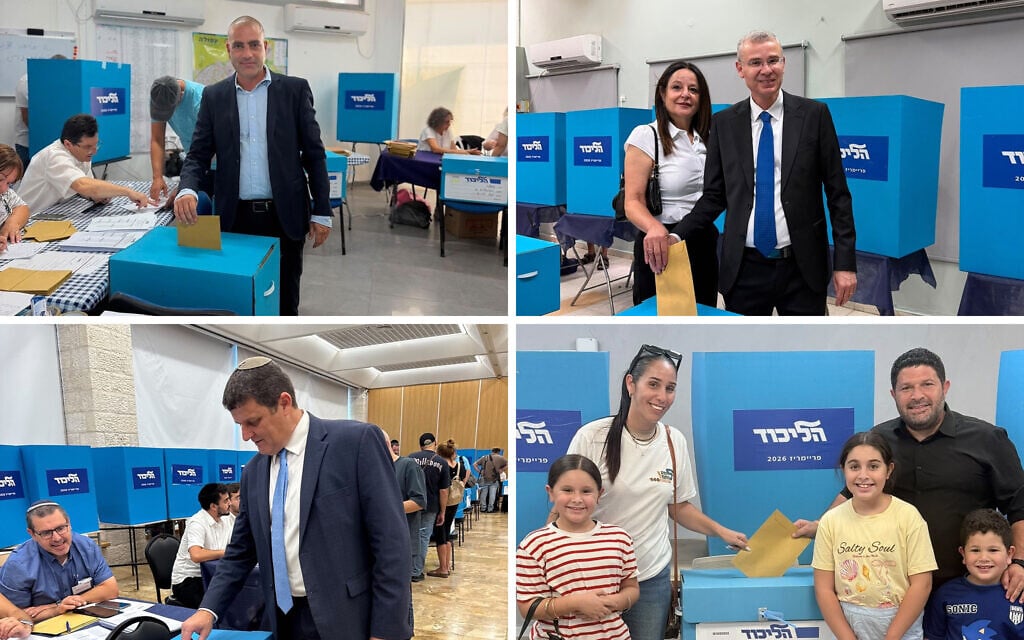
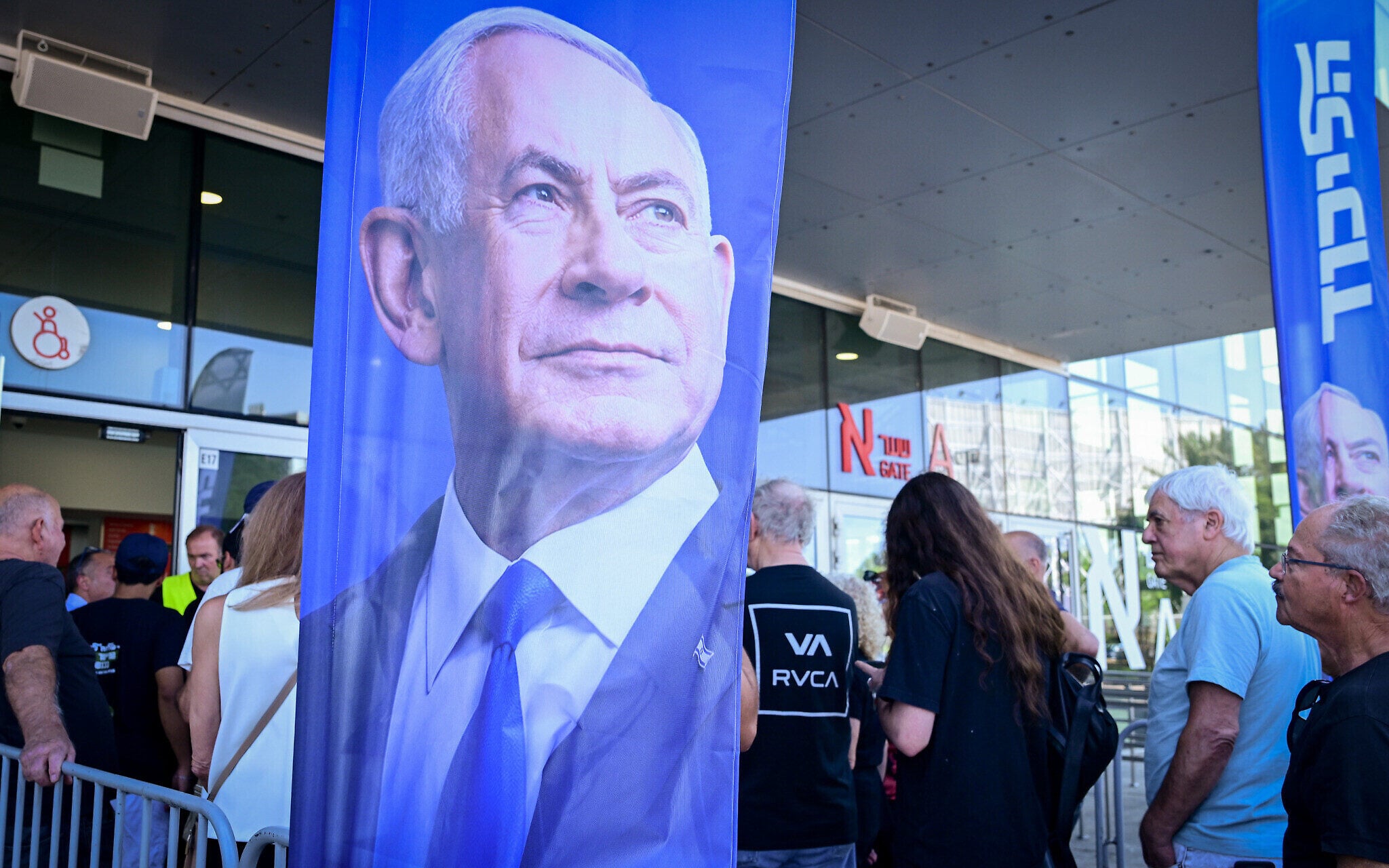
Polling stations opened across the country Monday morning for the Likud primary, as as candidates jostled for a limited number of positions on the party slate for the October 27 national election, after Prime Minister Benjamin Netanyahu expanded his personal control of the list.
Some 140,000 party members are eligible to vote in the polls, which opened at 10 a.m. and will close at 9 p.m.
One of the few parties to determine its electoral lineup via primary, Likud has long prided itself on its internal democratic process. However, changes to the system this year, pushed by Netanyahu, have shrunk the number of open spots on the roster and turned the vote into an unusually hotly contested race as party politicians jockey for a good enough showing to secure a likely Knesset seat.
Public opinion polls have consistently shown Likud getting 22-24 seats in the October 27 election, down from its current 32. A decision last month by the Likud Central Committee significantly expanded Netanyahu’s control over the party’s Knesset slate, granting him the power to place eight people of his choosing in reserved slots among the top 29 places on the list — a number subsequently expanded to nine.
This meant that a host of veteran lawmakers and newcomers were competing for an increasingly limited number of realistic slots on the list.
Get The Times of Israel's Daily Edition by email and never miss our top stories
By signing up, you agree to the terms
Monday’s primary is going ahead despite Netanyahu’s reported efforts to cancel it and to select its Knesset slate through an appointed committee he would control.
Apart from his own spot atop the slate, which is not up for grabs in this vote, Netanyahu now controls the 3rd, 5th, 9th, 11th, 15th, 18th, 26th and 29th slots, giving him unprecedented influence over the party’s roster.
Foreign Minister Gideon Sa’ar, Likud Central Committee chair Haim Katz and political newcomer Oren Dobronsky have already been handed three of the eight earmarked slots — while Defense Minister Israel Katz was given an additional ninth reserved spot.
In a statement released through a party spokesman Sunday night, Netanyahu said that during the primary he will cast his ballot “for a winning list that will ensure [Yashar party chairman Gadi] Eisenkot and [The Democrats party chairman] Yair Golan do not form a narrow government with the Arab parties as they’ve promised.”
Yair Golan is the only member of the opposition to support forming a government with the Islamist Ra’am party, a possibility which has been publicly rejected by the other anti-Netanyahu bloc leaders. Ra’am was a member of the previous, and short-lived, Lapid-Bennett government. Netanyahu himself is widely reported to have attempted to form a coalition with Ra’am.
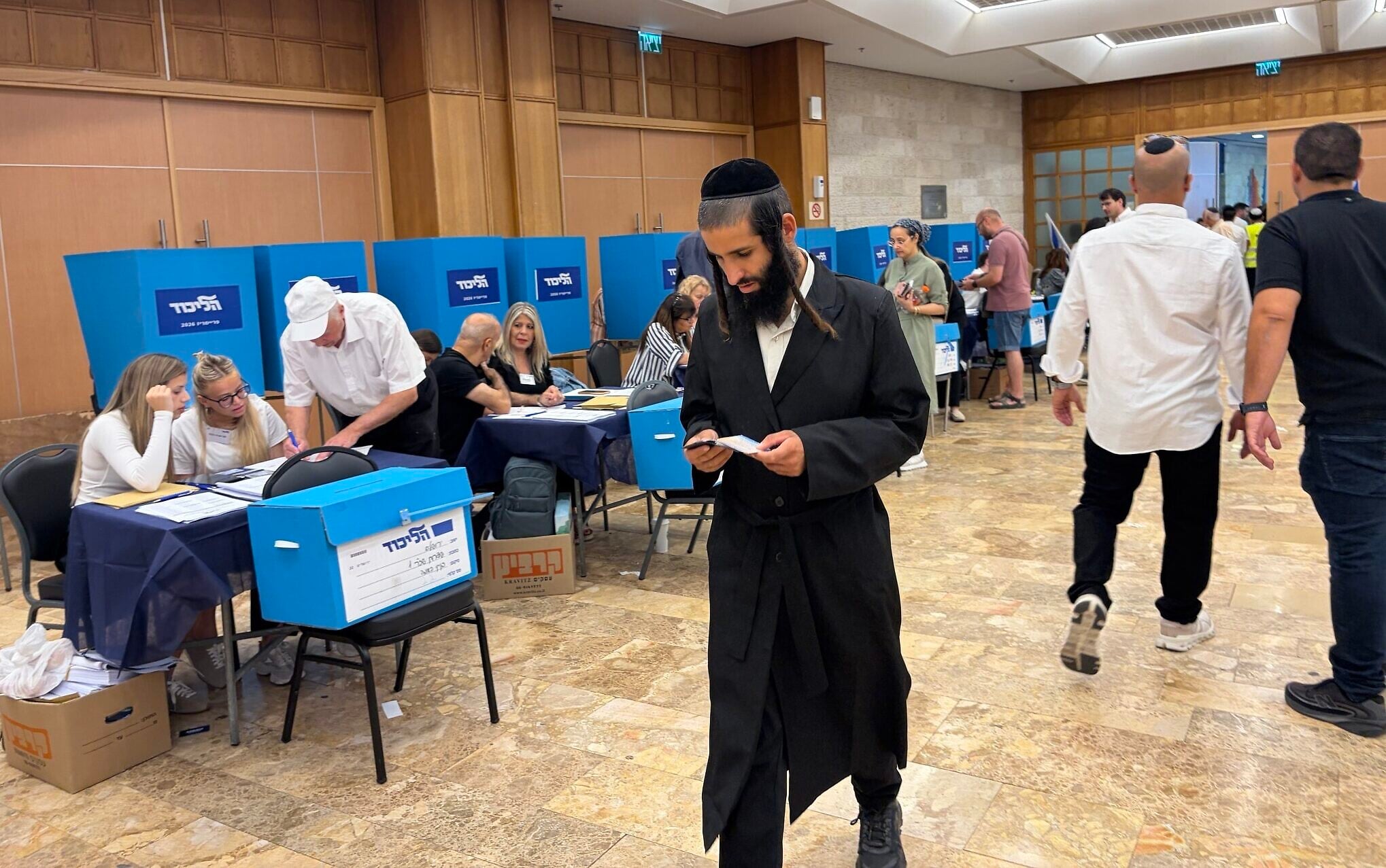
“I trust you, Likud members, to choose your representatives correctly according to your own judgment. I am not interfering in the nationwide list and I wish everyone good luck,” Netanyahu added, referring to seats chosen by members at large and not appointed by him personally.
Addressing Likud candidates as members voted, Golan remarked on X on Monday: “Never have so many people vied for a place on the deck of the Titanic.”
The Democrats and Likud are among the small number of Israeli parties that hold primaries.
According to Hebrew media reports, the premier’s push for reserved slots was based on concerns that the primary could elevate candidates who are highly popular among the Likud base — including firebrand Likud MK Tally Gotliv and ministers Shlomo Karhi and May Golan — but who internal party polling suggests are less appealing to moderate right-wing and swing voters whose support could prove decisive in the upcoming national election. It was also reportedly motivated by Netanyahu’s desire to settle scores with internal critics such as Economy Minister Nir Barkat.
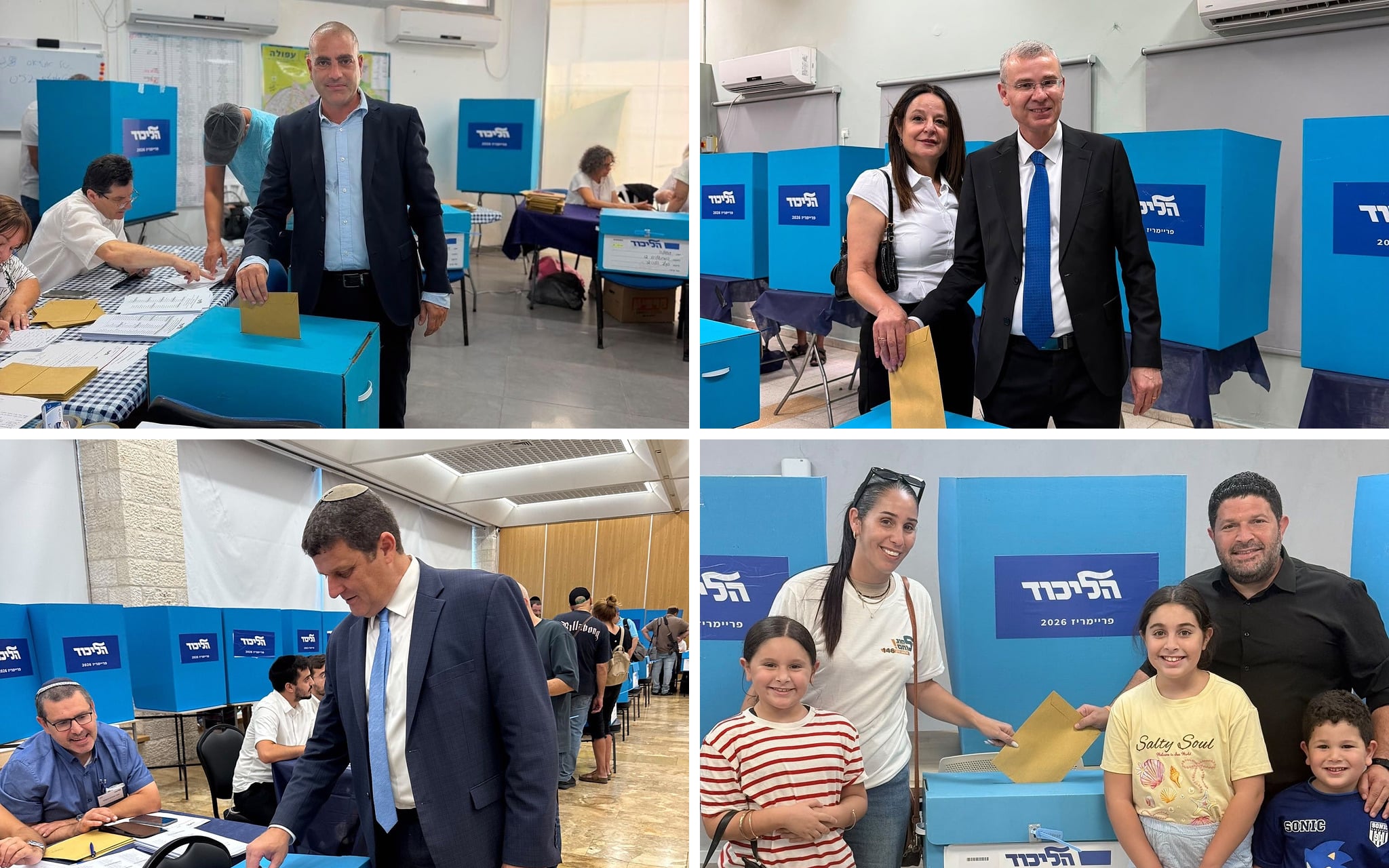
Some candidates took to social media on Monday morning to make not-so-subtle last-minute appeals for votes. Many uploaded pictures of themselves casting ballots.
In a statement, Knesset Speaker Amir Ohana’s office said the candidate began the morning of the vote at synagogue, posting an image of himself praying with a handgun attached to his hip.
Almog Cohen, a former Otzma Yehudit lawmaker who recently joined Likud, posted a picture of himself beside a memorial poster for Itzik Balti, who was killed defending his neighborhood in Ofakim from Hamas terrorists on October 7, 2023.
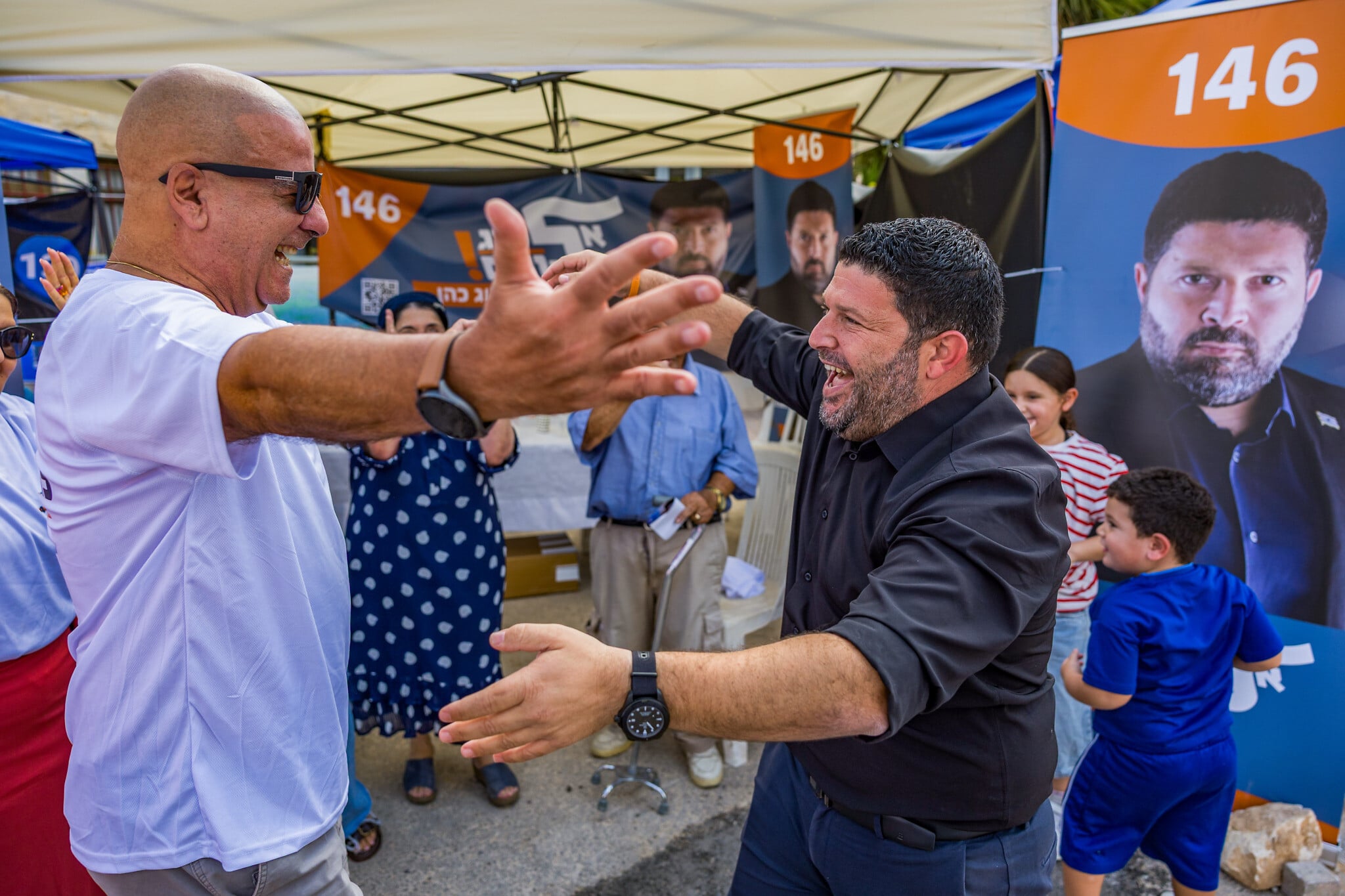
Cohen was allowed to run after Netanyahu approved a shorter cooling-off period than is usually required for moving between parties, paving the way for him to compete.
Gotliv posted a video shortly after voting began of her playing with her daughter: “My daughter, the wonderful Orly, nearly 15, with low-functioning autism, senses my excitement on primary election day and bursts out of her routine to cheer me up.”
Gotliv is the most popular Likud candidate among party voters (though not necessarily registered members), according to a poll aired by Channel 12 news on Friday, followed by Ohana.
Meanwhile, Transportation Minister Miri Regev, who has served as a Likud lawmaker since 2009, on Monday accused the El Al Workers Union of trying to “eliminate” her due to her efforts to bring low-cost airlines to Israel.
“El Al today published a list to all their employees that they are going after me,” she told 103FM radio, referring to a list published by the union of candidates they recommend in the primaries that excludes the minister.
“And they don’t intend to give me their vote. This is part of the blackmail and threats, trying to influence me,” she said.
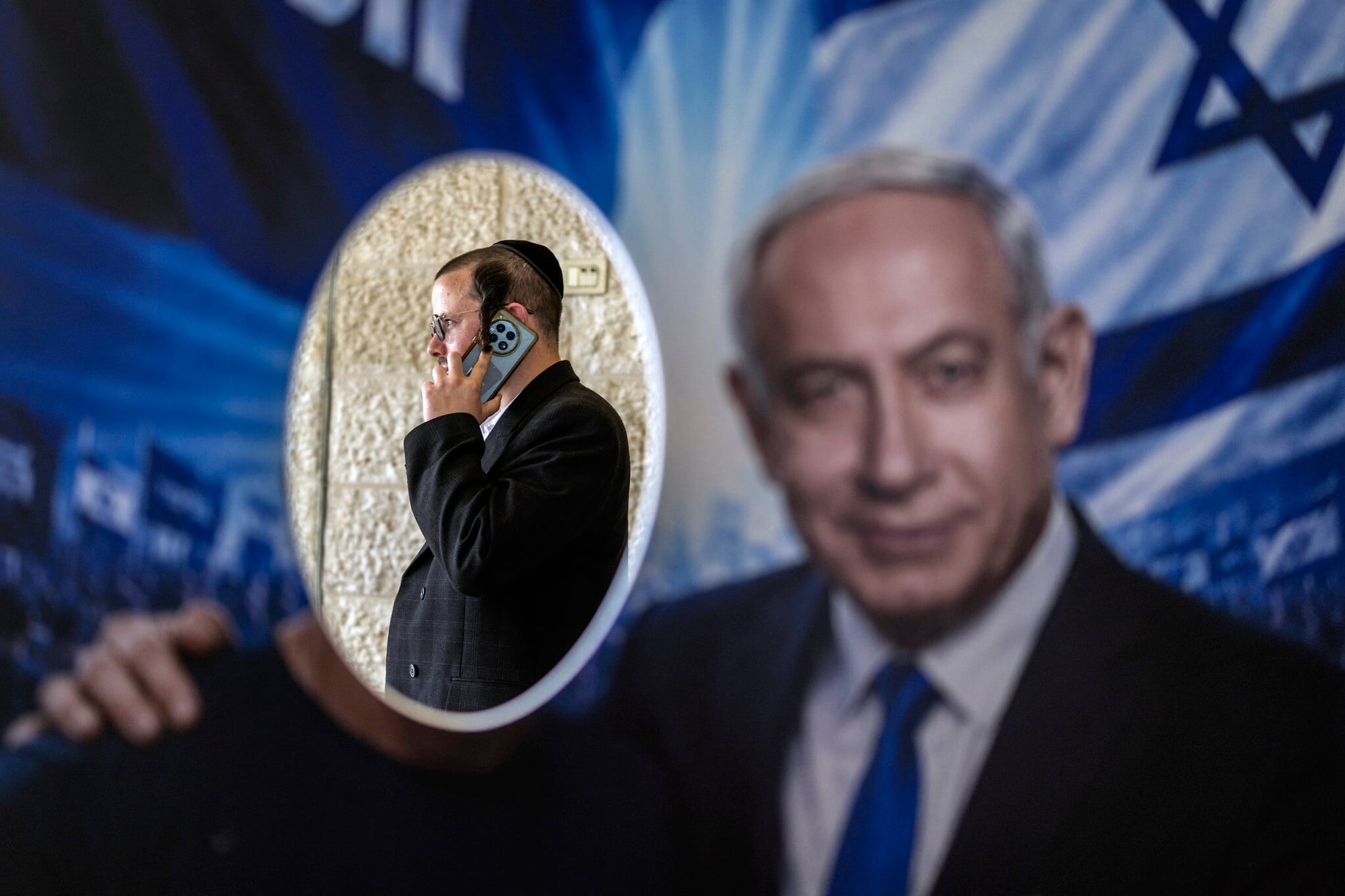
Separately, the prime minister’s son Yair Netanyahu urged members not to vote for Likud MK David Bitan, who has clashed with the premier, and expressed support for candidate Osnat Zohar Zini, in a post on X.
Bitan led public dissent against Netanyahu’s push to expand control over the Likud slate, arguing it would push incumbent lawmakers down the list in favor of handpicked apparatchiks who will feel beholden to the premier.
Help us report truthfully on social media

As a multimedia journalist, my job is to take the quality, fact-based journalism produced by The Times of Israel newsroom and make it accessible across every platform — from Instagram posts to podcasts to short-form videos.
This is how many, especially young people, consume news these days. But misinformation is rampant on social media. Our team at ToI produces accurate, responsible short-form reporting on Israel and the Jewish world.
If you believe in the importance of factual social media journalism, please consider joining our reader support group, The Times of Israel Community. Your financial support is essential to sustain responsible multimedia reporting.
— Gabriella Jacobs, multimedia journalist
Support our work Support our work Already a member? Sign in to stop seeing this
KioskNews shows a cleaned-up reading view extracted from the publisher’s page — the original always lives on their site, not ours.