10 Years Later, Netflix's Time-Travel Thriller Still Comes As Close To Perfect As It Gets

An experienced Editor representing Canada via ScreenRant's Team Anime, J.R. has been reading manga since the first printing of Shonen Jump in North America. This passion drove him to write about anime, manga, and manhwa since 2022, having recently served as Lead Anime Editor for ComicBook.com.
His favorite moments in media coverage include reviewing the series premieres of Zom 100 and Bleach: TYBW Part 2 back-to-back and briefly meeting Junji Ito at a VIZ gallery event in 2023.
Plenty of programming on Netflix exists as if to be viewed on the second screen almost like highly sophisticated background noise for continuous mobile phone doomscrolling. It's a frustrating trend that seems counterintuitive to a service deemed nearly essential for streaming audiences worldwide, but not all content, at least when viewed beyond Netflix originals, falls into that distinction. Even among a sea of thrillers ranging from forgettable to excellent, many contributors around the globe have added iconic hits, but perhaps the single most captivating international source of compelling TV is South Korea, in the case of 2016's Signal.
Originally debuting in January 2016 on Korean broadcast network tvN and licensed for Netflix streaming, Signal is a unique crime thriller with a reasonable premise, at least at first. The series starts off focusing on a hotheaded young criminal profiler, Park Hae-young (Lee Je-hoon) alongside his trailblazer senior officer, Cha Soo-hyun (Kim Hye-soo) who, despite initial friction, grows to see Hae-young as her trusted colleague. The twist soon comes with Hae-young's discovery of a walkie-talkie which, despite having no batteries, mysteriously connects him with Lee Jae-han, an officer from the past, opening the doors to solving grisly cold cases and a dark conspiracy across 16 episodes.
Netflix's Underrated 2016 Crime Thriller Is Far Too Addictive To Skip

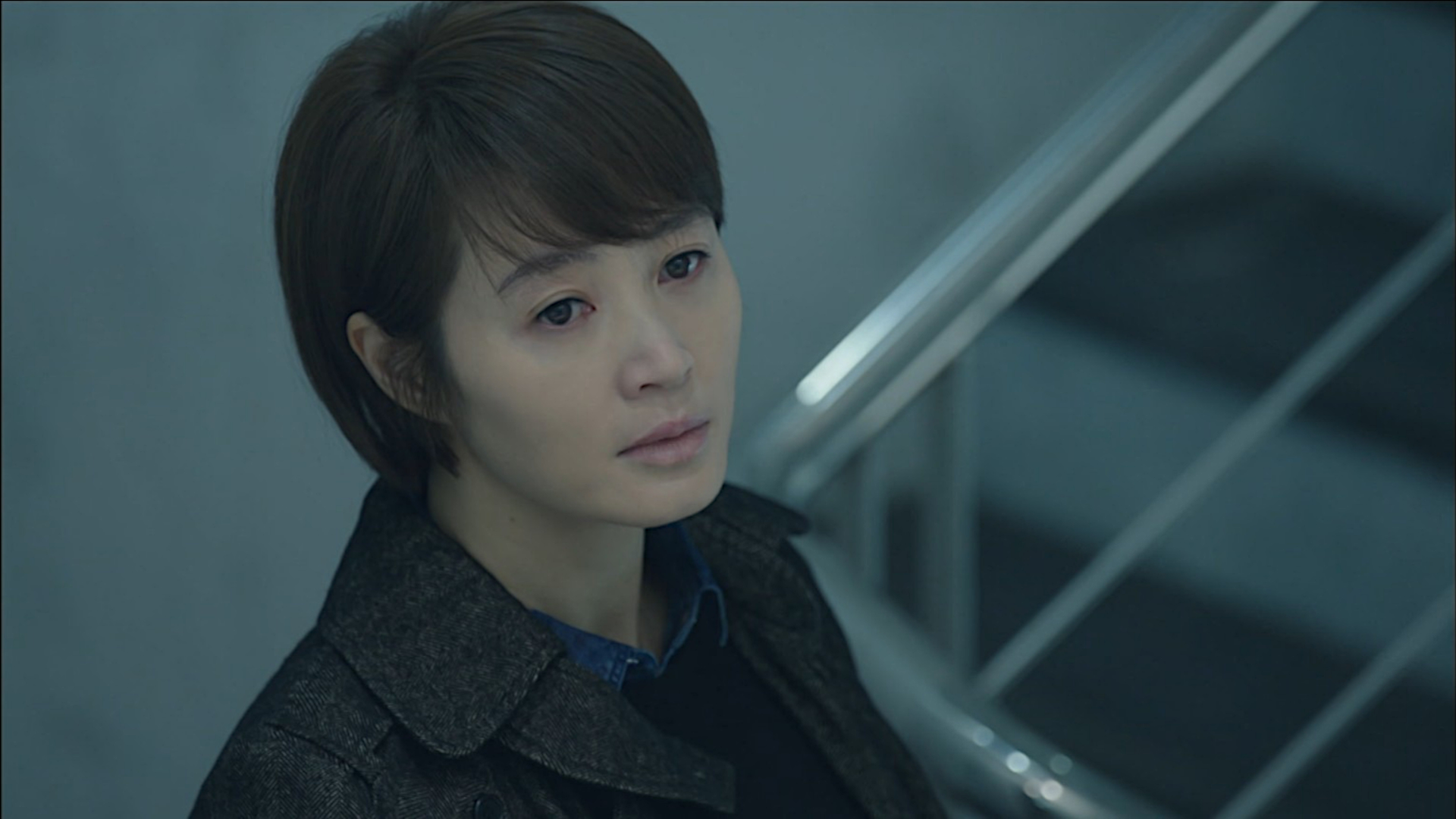
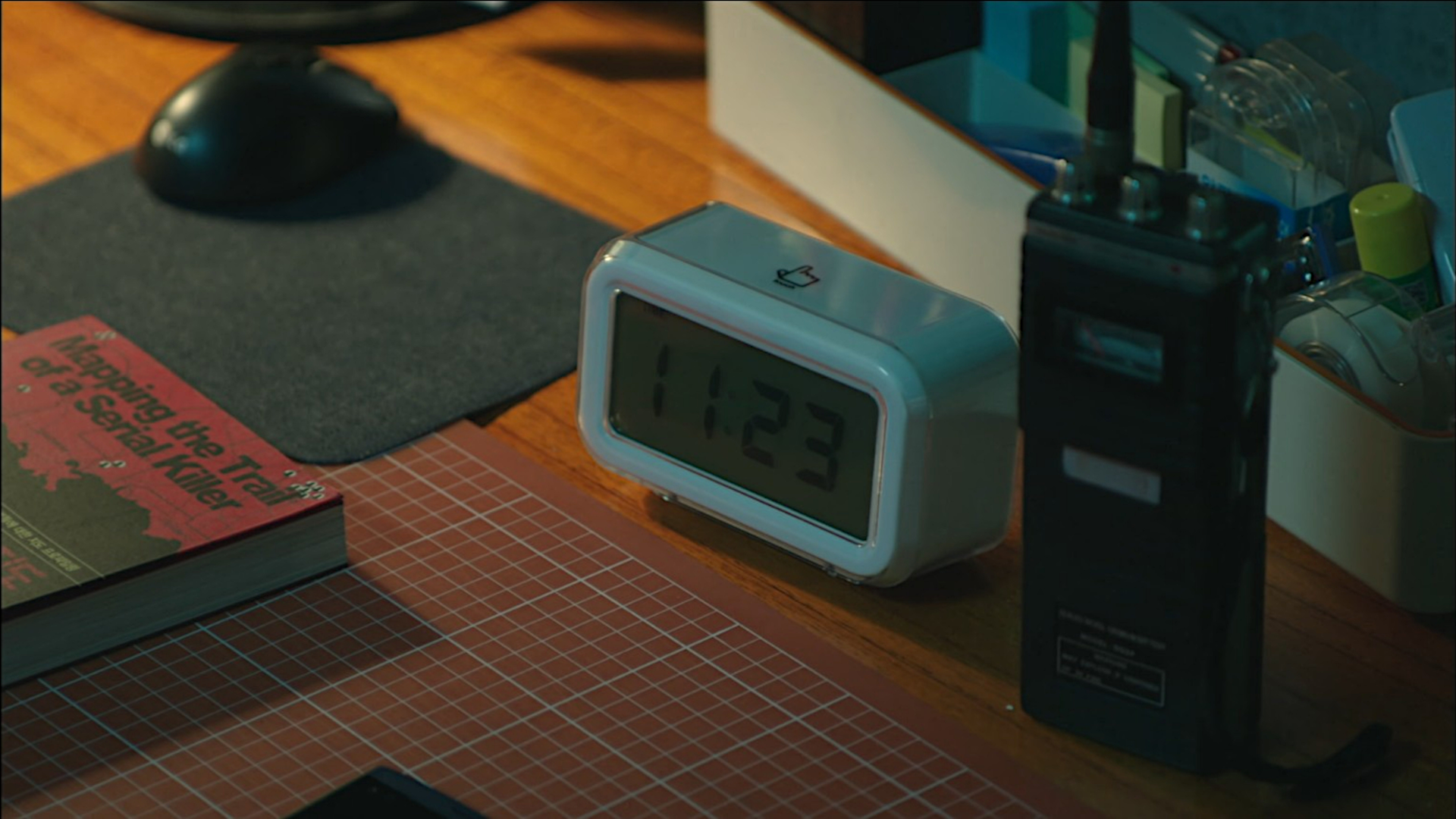
Signal isn't a typical time-slip or time-travel K-drama per se, but rather, an exceptionally edited and directed blend of Hae-young's present day of 2015 and Jae-han's fast-moving past years from 1989-2000. The central walkie-talkie acts like a central conduit bringing their stories together, with understandable bewilderment as both go through the motions regarding whether such a thing is even possible. But through Hae-young's careful reviewing and modern profiling techniques, Jae-han is able to alter the events of the past, while Jae-han's fiery dedication to the cause instills hope in a jaded Hae-young; after all, his distrust of police, despite working alongside them, has a precedent.
A key childhood incident influencing Hae-young's life going forward comes from the first episodes of Signal, in which he witnesses the kidnapping of a girl from his school, Yoon-jung. Initially, despite Hae-young knowing the culprit was a woman, the police wouldn't believe him, leading to Yoon-jung's death, with the murder pinned to a young medical student. But with Jae-han's help, Hae-young finds the accused's hidden corpse, and helps track down the culprit. This intervention leads to a crescendo of cause-and-effect, with Hae-young soon finding himself on a cold case task force under Soo-hyun, while his communications with the past loop between 1989 and 2000.
Signal has both a solid visual presentation (thanks to director Kim Won-seok) and an enthralling premise that demands one to glue their eyes to the TV. Despite the initial episodic feel of the early show, with Hae-young helping close other decades-old cold cases with Jae-han's help, their desperation and devastation as each face the consequences of their actions feels palpable. It could have just as easily been a gimmicky mystery drama with a magic walkie-talkie linking two policemen across different eras, but seeing them deal with the consequences of their respective arrests, the resentment brewing in those they throw in jail, and the subsequent crimes that come out of them, is utterly enthralling to see unfold.
Signal Is Better Enjoyed Slowly Rather Than As A Weekend Binge
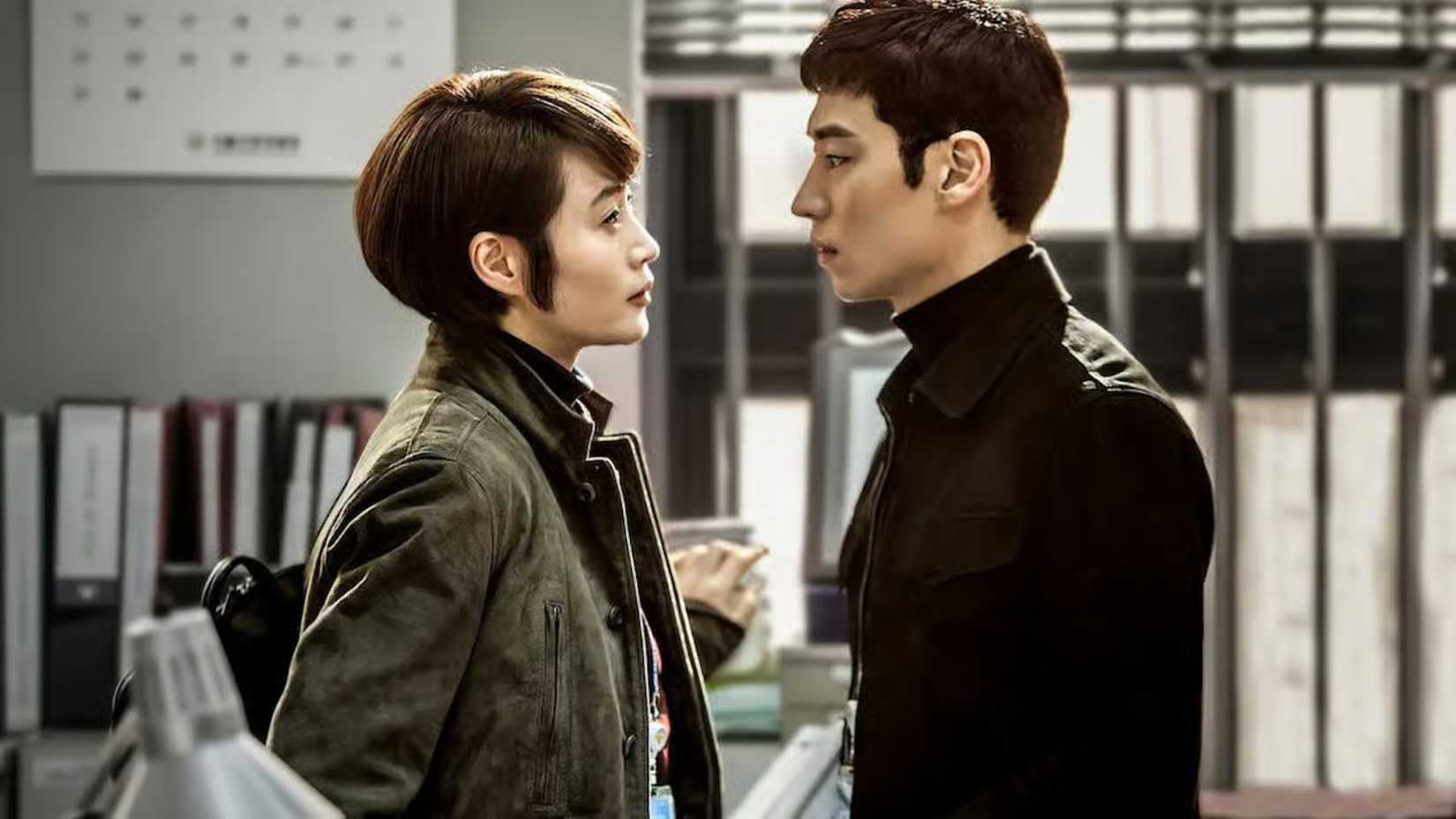
True to its classic K-drama broadcast release formula of two episodes falling on consecutive days every week until its limited run completes, Signal was always made to be enjoyed in bursts rather than all at once. The series' initial mysteries are particularly easy to blow through, especially with viewers developing emotional connections to certain cases involving collapsing bridges, refrigerated trucks, and Jae-han's social ineptitude and hopeless romantic (emphasis on hopeless) adventures at the start. They easily win viewers over to the core three cast members, although it's certainly fun for veteran K-drama viewers to spot recurring appearances from Kim Won-hae (Strong Girl Bong-soon) and Kim Min-kyu (Business Proposal).
But as Signal pushes on into the mystery of Jae-han's predicament, why he's not around in the present and just how the walke-talkies work with Jae-han's mysterious communications reaching Hae-young at 11:23 PM, viewers will soon crave more. There's a vast conspiracy that soon emerges over the rest of the series, with just enough of an open-ended finale to leave room for its reportedly planned season 2 return via mydaily. It's a heady, addictive experience, but is also full of moments one will want to carefully absorb and observe, rather than treat as a race to the finish line.
Non-Netflix users won't miss out as Signal is also available for streaming on Prime Video and Rakuten Viki, as well as free ad-supported streaming on Tubi TV.
While this was always going to be the case for non-Korean speakers as their only option will likely be the subtitled release, it's also a great drama to discuss with friends between episodes. Taking more time to watch Signal allows one to enjoy and digest the narrative, even if it's barely more than half as long as other, more outwardly bingeworthy Netflix K-dramas. But even 10 years later, there's a reason why Signal sits so highly on fans' recommendation lists, if at least as a way to alter the future and prevent newcomers to the medium from missing out on one of the greats.
KioskNews shows a cleaned-up reading view extracted from the publisher’s page — the original always lives on their site, not ours.