Japan’s Takaichi sends offering to controversial Yasukuni war shrine
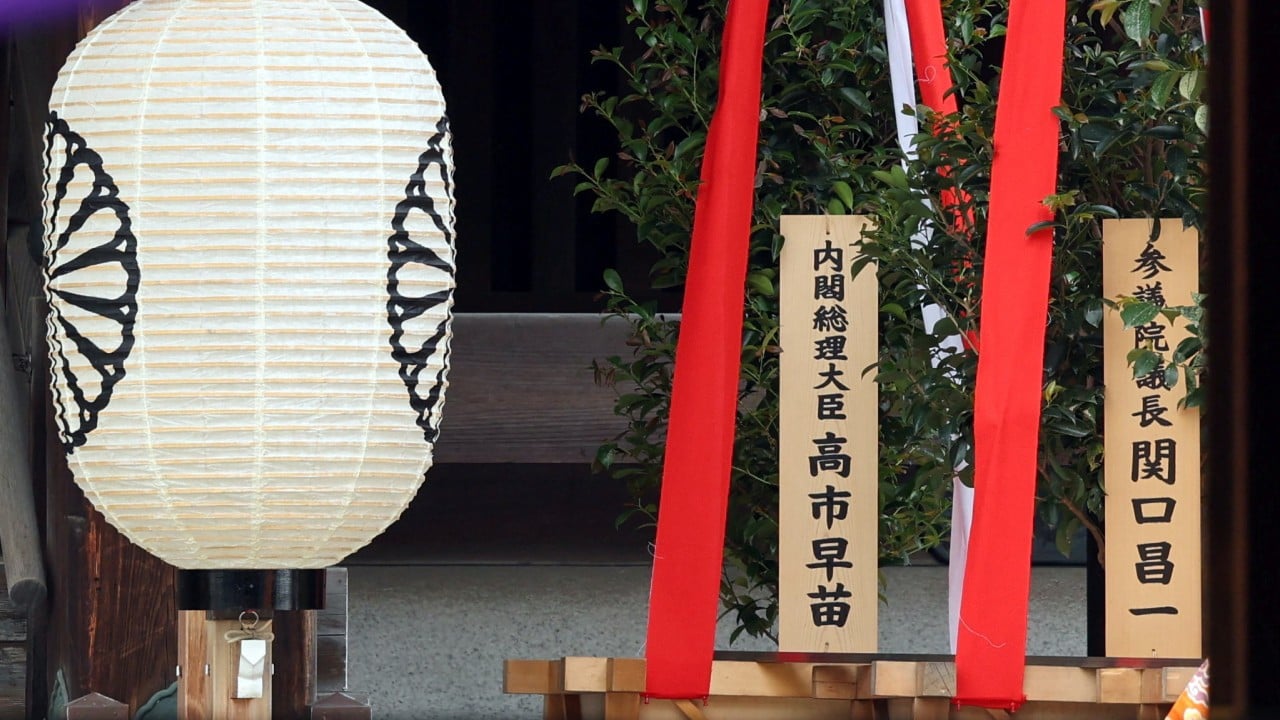
Prime Minister Sanae Takaichi on Saturday sent a ritual offering to Yasukuni Shrine in Tokyo, regarded by Japan’s neighbours as a symbol of the country’s past militarism, at the start of its three-day autumn festival.
Takaichi, known as a conservative who routinely visited the Shinto shrine before becoming prime minister a year ago, was unlikely to visit the shrine during the festival, a source close to her said, amid strained relations with China and relatively stable ties with South Korea.
The shrine honours Japanese leaders convicted as war criminals by a post-World War II international tribunal, along with millions of war dead, and has long been a source of diplomatic friction with China and South Korea.
While serving as a minister, Takaichi had visited the shrine during its spring and autumn festivals and on August 15, the anniversary of Japan’s 1945 surrender in the war, but she has refrained from doing so since becoming prime minister on October 21 last year.
During this year’s war-end anniversary, Takaichi bowed twice, clapped twice and bowed once again towards Yasukuni Shrine, in an apparent act of Shinto worship from a distance, after arriving at the venue for the government-sponsored memorial ceremony across the road.
The last Yasukuni visit by a sitting Japanese prime minister was in December 2013 by Shinzo Abe, Takaichi’s political mentor.
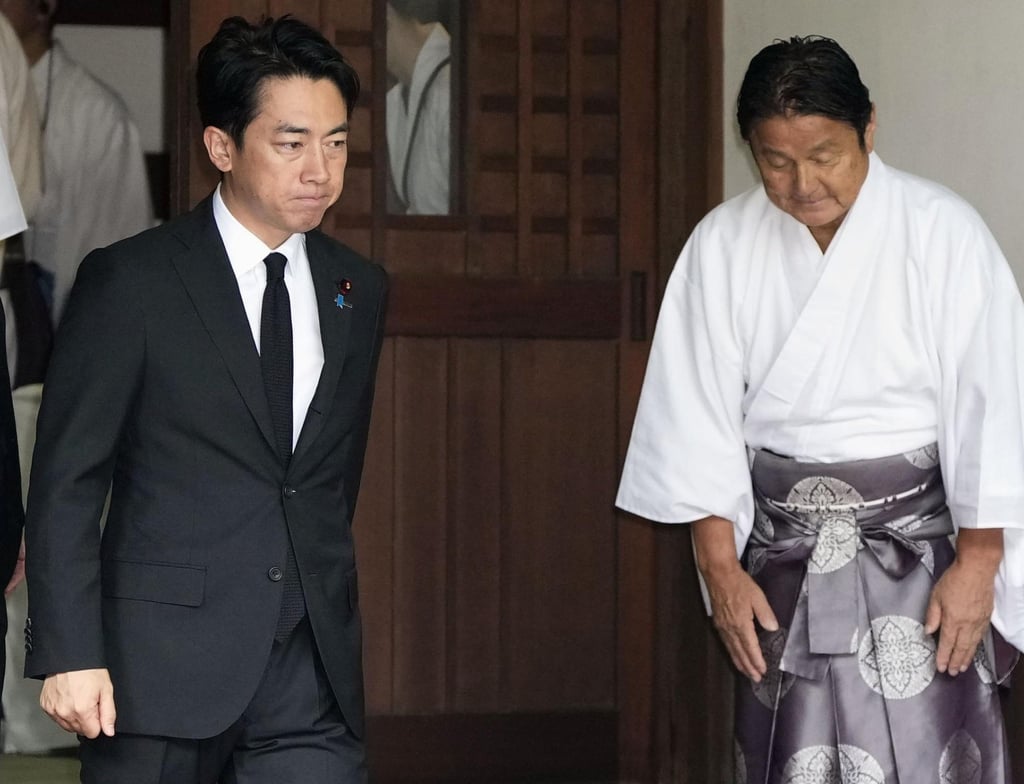
Yasukuni enshrined 14 Class-A war criminals, including wartime prime minister General Hideki Tojo, who was executed in 1948 for crimes against peace, in 1978.
Past visits to the shrine by Japanese politicians have sparked harsh criticism from neighbouring Asian countries. Japan invaded large parts of China before World War II and colonised the Korean peninsula from 1910 to 1945.
Tensions between Tokyo and Beijing continue after Takaichi said in November last year that an attack on Taiwan could prompt Japan’s Self-Defence Forces to act in support of the United States.
Beijing sees Taiwan as part of China to be reunited by force if necessary. Most countries, including the US, do not recognise Taiwan as an independent state, but Washington is opposed to any attempt to take the self-governed island by force and is committed to supplying it with weapons.
Japan and South Korea have improved their ties in recent years following progress on the issue of alleged wartime forced labour, resuming the practice of reciprocal visits between their leaders in 2023.
KioskNews shows a cleaned-up reading view extracted from the publisher’s page — the original always lives on their site, not ours.