Rupee Gets Some Relief But With Disruptions In Financial Markets
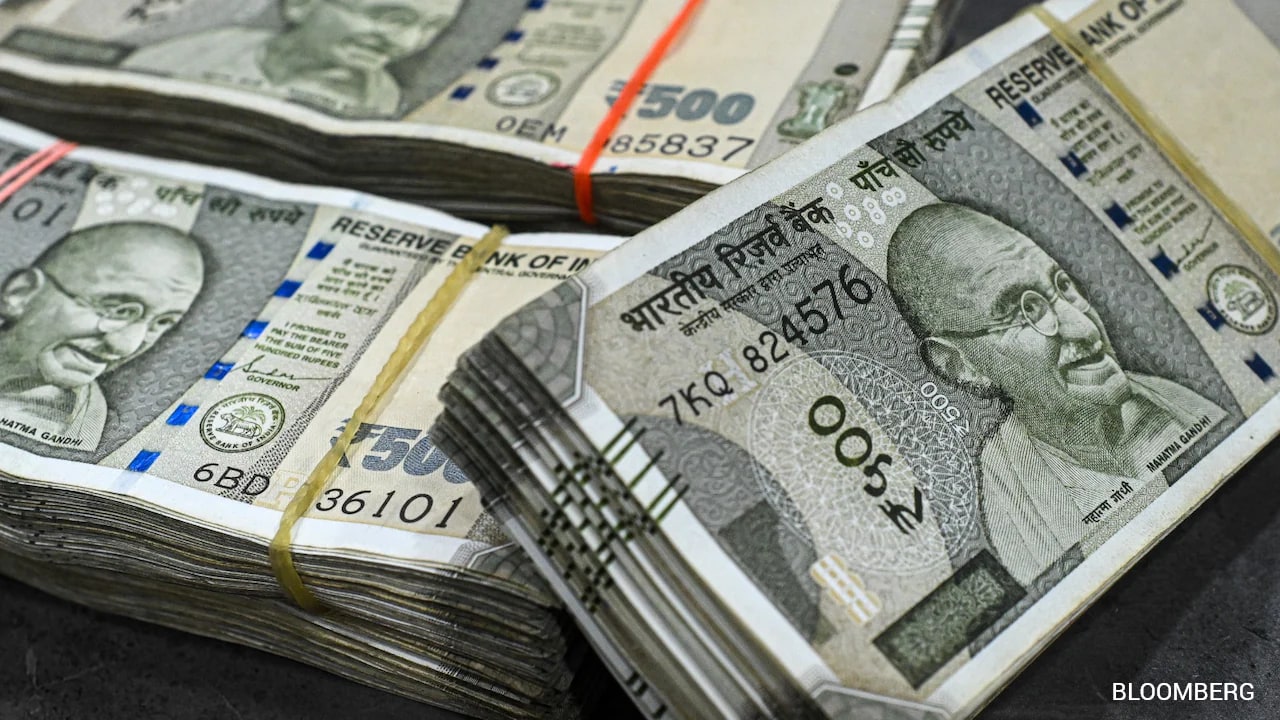
The Reserve Bank of India's historic defense of the rupee bought the currency some reprieve, but at a steep cost.
The rupee is set for a 1.9% advance this week, its biggest weekly gain in four years. Yet liquidity in parts of the foreign-exchange market is drying up, hedging costs have jumped to a decade-high and bond yields have reached their highest level in more than three years.
The RBI's most aggressive currency intervention in more than a decade is rippling across India's financial markets. Tighter restrictions have disrupted most of the hedging activity that typically helps absorb currency shocks, while sowing confusion as traders pressed the central bank to ease the rules and clarify their scope.
"Hedging costs shooting higher and illiquid markets are the unintended consequences," said Anshul Chandak, head of treasury at RBL Bank in Mumbai. "We will have to swallow poison for a long-term gain."
Hedging Costs
Hedging has become more expensive because the RBI's restrictions raised the cost of using derivatives - contracts linked to an underlying asset or price, such as the dollar-rupee exchange rate. Banks and companies use currency forwards and swaps to protect themselves against the risk that future dollar payments become more expensive.
The measures, unveiled on Saturday, ordered lenders to set aside 20% of the rupee equivalent of foreign-exchange derivative transactions exceeding $2 million.
Yields on onshore dollar-rupee forwards, a measure of the cost of securing dollars for future delivery, have surged. The three-month yield climbed to 6.54% on Thursday, its highest close since May 2016.
The forwards market has become "extremely dislocated," said Abhishek Goenka, chief executive officer of IFA Global, a forex advisory firm. It is now cheaper for companies to borrow rupees and swap them into dollars than to borrow the US currency, he said.
Trading volumes have also fallen sharply, prompting Goenka to advise clients to hedge only their immediate needs.
Bonds have also taken a hit. Elevated oil prices and foreign outflows are fueling bets that the RBI may have to rely more on interest-rate hikes if currency intervention alone fails to contain pressure on the rupee.
The RBI sought to clear up some of the confusion on Thursday, saying the new rules would apply only to transactions used to hedge foreign-exchange risk and not to trades banks conduct to buy and sell currencies for clients and keep the market functioning.
Banks are nevertheless bracing for the fallout. Treasury desks will likely see subdued client foreign-exchange business and potential losses on their fixed-income trading books in the October-December quarter, RBL's Chandak said.
Should liquidity remain thin and hedging costs stay elevated, companies and investors may demand higher returns to hold rupee assets - or become more reluctant to increase their exposure. That could leave the currency more vulnerable when the RBI eventually scales back its support.
Investors will be watching the RBI's future moves closely because predictability is critical, according to Shamaila Khan, head of global emerging markets and Asia-Pacific fixed income at UBS Asset Management.
"The key is maintaining a transparent framework and efficient ability to hedge and transact," Khan said. The measures haven't materially altered UBS's strategic view of India or its allocation to the country, but higher hedging costs will increase the returns it demands from Indian assets, she added.
(Except for the headline, this story has not been edited by NDTV staff and is published from a syndicated feed.)
KioskNews shows a cleaned-up reading view extracted from the publisher’s page — the original always lives on their site, not ours.