Yicura BioMed eyes IPO as CEO says Hong Kong biotech scene needs more patient capital
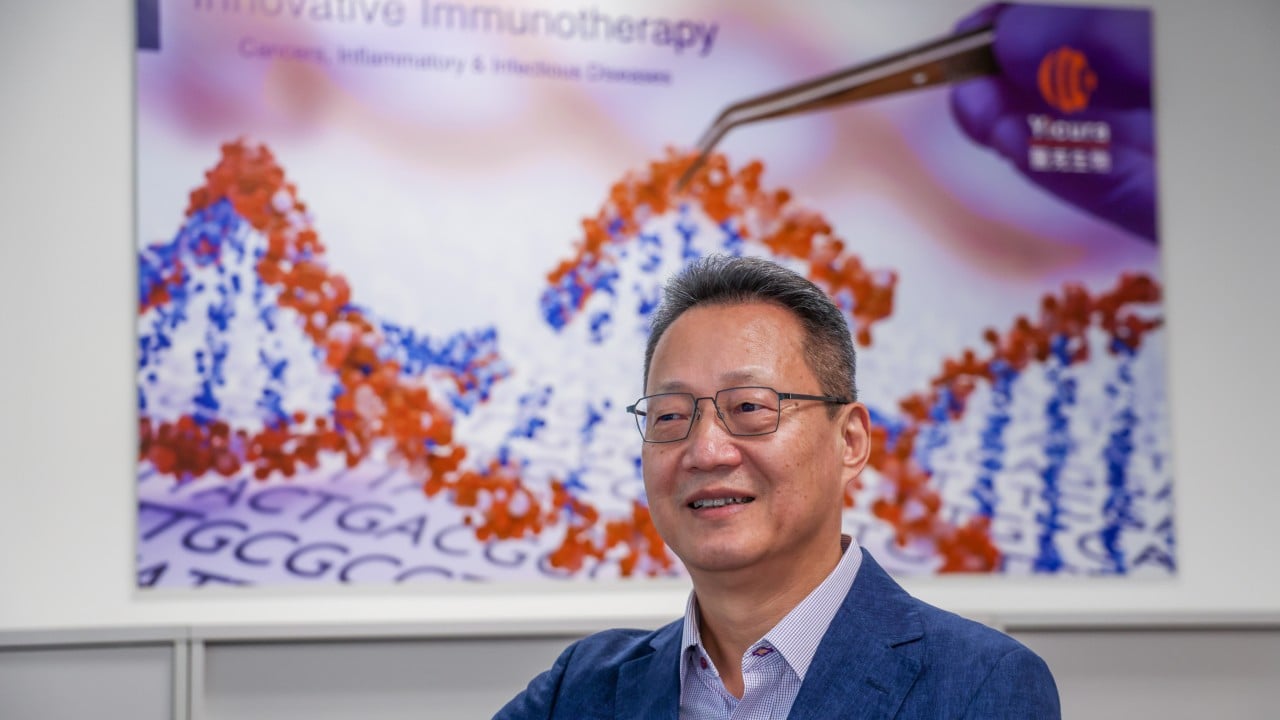
Hong Kong needs more “patient capital” and more talent capable of commercialising research and development to sustain the city’s biotechnology ecosystem, according to a senior executive at a local biotech start-up.
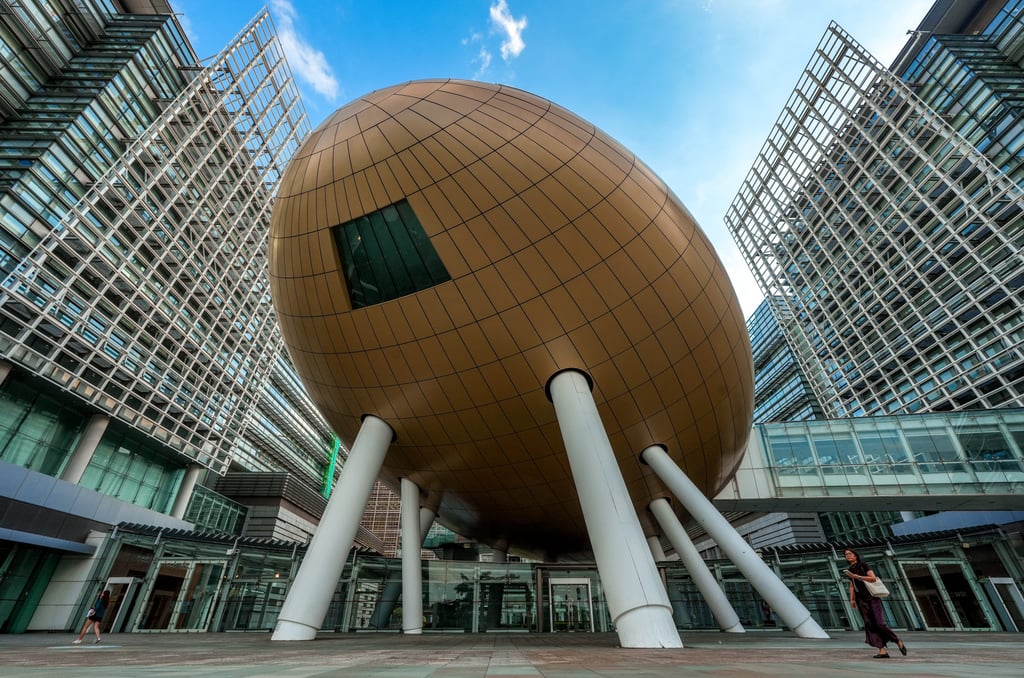
Yicura BioMed, based in the Hong Kong Science Park, is heading towards an initial public offering (IPO) in the city as soon as practicable, CEO Xian Jin said in an interview.
“Biotech start-up fundraising in Hong Kong is never an easy game to play,” Jin said, adding that developing a new drug for the Chinese market takes an average of eight years and 1 billion yuan (US$150 million), with a 90 to 95 per cent failure rate in the progression from preclinical stages to phase 1 trials.
“Hong Kong’s traditional family offices and local venture-capital firms generally lack biotech investment experience and are reluctant to act as lead investors,” he said. “We are fortunate to have the backing of patient capital willing to stay with us for a decade.”
As the company’s core product, a treatment for human immunodeficiency virus (HIV), neared phase 2 clinical trials, this support would help the company attract more global investors, added Jin, who is also an honorary professor at the University of Hong Kong (HKU).
The startup is undergoing its US$60 million series B funding round, led by venture capital firm Gobi Partners, with participation from several strategic investors in eastern China’s Jiangsu province and well-known institutional investors in Hong Kong.
The start-up is now valued at about US$400 million, double its 2023 valuation, and has met the expected market capitalisation threshold of HK$1.5 billion (US$191 million) under the Chapter 18A rules, which allow pre-profit biotech companies to list in the city.
While the exact timing and venue had not been finalised, Jin said the 11-year-old firm was eyeing a listing in the next one to two years, depending on its growth and market conditions. The company aimed to become the first home-grown biotech company from the Hong Kong Science Park to list under Chapter 18A, he added.
“Going public would significantly accelerate our long-term development and product pipeline,” Jin explained. “It would also pave a crucial path for local scientific commercialisation and overcome cross-border capital hurdles, allowing mainland [yuan-denominated] funds to invest directly through compliant public market channels.”
As a spin-off from the HKU Aids Institute, Yicura’s core product is a DNA vaccine designed to achieve a functional cure for HIV. The candidate has completed Phase 1 trials and is now moving into Phase 2.
In an earlier investigator-initiated trial, one out of 10 participants achieved a functional cure, keeping the virus suppressed for 18 months after stopping traditional medication, Jin said.
The company planned to launch a formal Phase 2 trial involving 50 participants across Hong Kong and several mainland cities later this year, with completion expected within two years, he said.
If the trial data proved strong, Jin said the company could apply for mainland China’s “breakthrough therapy” designation. This fast-track approval pathway allows developers of specialised treatments to apply for commercial launch after Phase 2, bypassing Phase 3 trials, which are usually larger and therefore more costly. If successful, the vaccine could reach the market as early as 2028, Jin said.
KioskNews shows a cleaned-up reading view extracted from the publisher’s page — the original always lives on their site, not ours.