Philippines eyes billions in investment from Pax Silica tech hub, but farmers fear for their livelihoods
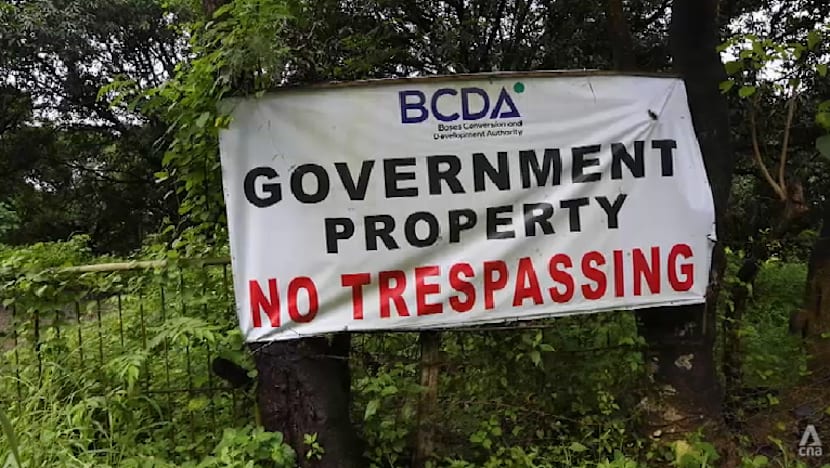
A proposed industrial park in Tarlac province under the United States-led Pax Silica initiative could create thousands of jobs, but residents and experts are raising concerns over transparency, displacement and pressure on resources.
New: You can now listen to articles.

This audio is generated by an AI tool.

16 Oct 2026 06:34PM
TARLAC/MANILA: Farmer Mander Matias has lived his whole life in the village of O’Donnell in Capas, a town in Tarlac province, north of Manila.
He grows rice, squash and sweet potatoes to support his wife and three young daughters.
But a proposed technology hub near his community has left him worried about whether his family will be able to remain on the land they call home.
The project is part of the Philippines' commitment to Pax Silica, a United States-led initiative aimed at securing global supply chains in artificial intelligence, semiconductors and critical minerals.
The Philippine government has committed a 1,620ha site in New Clark City, Tarlac, for the development, with construction expected to begin in 2028.
Officials say the project could boost the country’s position in semiconductors and electronics manufacturing, attract at least US$40 billion in investment and create about 130,000 jobs.

FEARS OVER HOMES AND LIVELIHOODS
But farmers and indigenous communities say they know little about the development or how it could affect their homes and livelihoods.
"They don't tell us enough about the project. We get surprised that some people come here with letters, asking us to sign some documents ... They don't tell us what is happening," Matias told CNA.
The project has also drawn protests in Manila and calls from several lawmakers for a formal investigation into its potential benefits and costs.

Capas mayor Roseller Rodriguez has urged the Bases Conversion and Development Authority (BCDA), the government agency overseeing the proposed development site, to engage with the community.
"We’re not saying we’re against Pax Silica, what we’re saying is please afford us with public consultations so we know the details of the project and BCDA will hear our concerns and issues so that those concerns and issues will be properly resolved," he said.
President Ferdinand Marcos Jr has sought to allay concerns over the development, saying on Tuesday (Oct 13) that it would not threaten local livelihoods or indigenous cultural heritage, including ancestral burial grounds.
"I cannot see how such a development will endanger local livelihood," he said, pointing to the jobs the project is expected to create.
A PUSH FOR HIGHER-VALUE MANUFACTURING
The Philippines already plays a significant role in global technology supply chains, but much of its involvement is in supplying raw materials and assembling semiconductor chips.
The country is the world's second-largest nickel producer after Indonesia, while semiconductors and electronics are its top single export product, valued at nearly US$50 billion in 2025.
The proposed hub is part of the Luzon Economic Corridor development plan, which aims to attract investment in higher-value manufacturing and digital infrastructure.
"Pax Silica gives the Philippines an opportunity to leverage its emerging status as a trusted partner in the global AI economy," said Trade Undersecretary Ceferino Rodolfo, who is also vice chairman of the Board of Investments, the agency responsible for promoting investment in the Philippines.
The Semiconductor and Electronics Industries in the Philippines Foundation, an industry association, has also backed the initiative, saying greater integration into global supply chains could boost the country's technology capabilities and talent development.
“I see us being more integrated … not only with ASEAN (Association of Southeast Asian Nations), but the global supply chain, and leveraging these technologies and products to boost our economy,” said the foundation’s president Danilo Lachica.
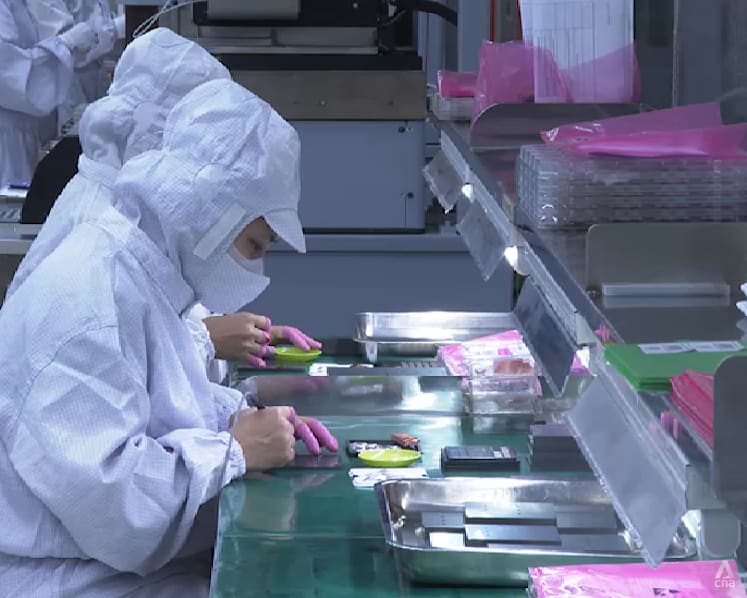
Economist Cielo Magno, a professor at the University of the Philippines, cautioned that investment incentives alone may not be enough to deliver wider economic benefits.
"We've had a lot of economic zones. We've been giving incentives to industries, but we haven't really seen these industries linked to the domestic sector,” she said.
“We haven't seen technology transfer. We haven't really seen improvement in terms of the quality of jobs that are available in the country.”
She also called for greater investment in education and skills development, citing Vietnam's efforts to attract high-tech industries through workforce training.
CONCERNS OVER WATER AND ELECTRICITY SUPPLY
The project has also raised concerns over its potential strain on water and electricity supplies.
According to BCDA, the hub would require at least 3 gigawatts of electricity and between 60 million and 90 million litres of water daily.
Farmers in O'Donnell rely on nearby rivers and rainfall to grow their crops, while many households still use traditional deep-well pumps for their water needs.
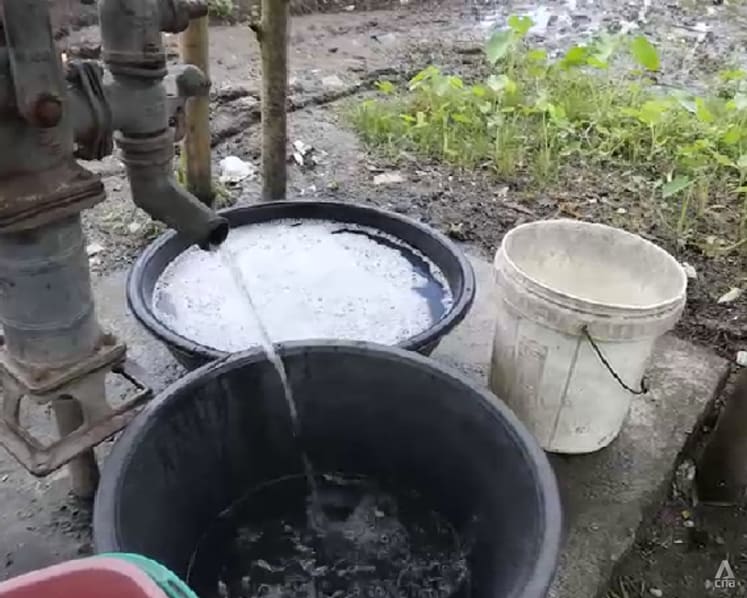
University of the Philippines scientist Giovanni Tapang warned that the proposed hub could put pressure on water resources used for farming.
"If you’re going to take the rivers away from irrigation, then they will actually lose productivity and will be even more vulnerable to drought," he said.
O'Donnell village chairperson Wendell Mercado expressed similar concerns.
"There's hardly any water flowing in the Bangut and O'Donnell rivers in the dry season. What more if (Pax Silica) sources its water from these rivers? There'll be even less supply," he said.
BCDA says the project will use surface water instead of groundwater, without competing with existing community supplies.
WILL LOCAL FARMERS BENEFIT?
The Philippines and the US are targeting a framework agreement for the project before the end of 2026.
For Matias, the promised jobs offer little reassurance.
He still hopes to pass on the land where he has built his home to his children, but doubts that the jobs the hub promises to create will be accessible to farmers like him.
"Maybe for us, the only jobs will be in construction. After that, we won't even be able to enter the hub because we are not educated people. It's hard for us to accept that," he said.
KioskNews shows a cleaned-up reading view extracted from the publisher’s page — the original always lives on their site, not ours.