China’s ‘Lipstick King’ hawks tokens as AI gets mass-market Singles’ Day push
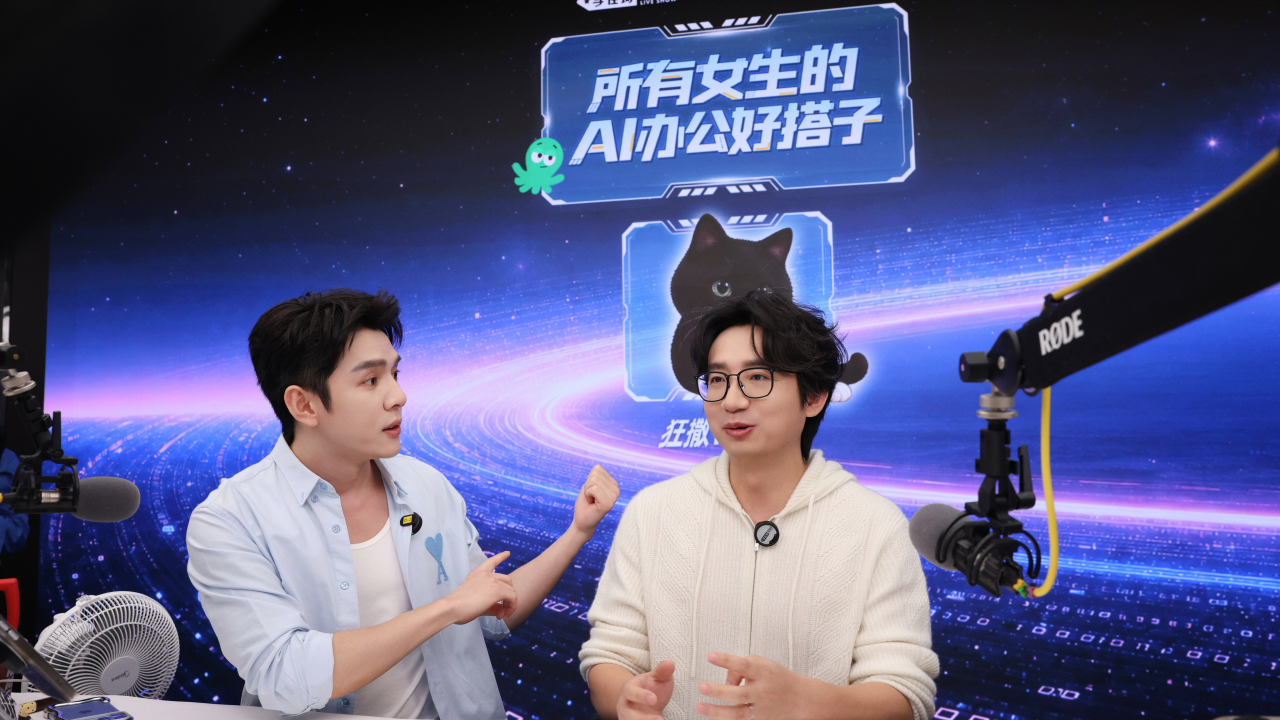
Top live-streamer Li Jiaqi on Monday evening teamed up with an executive from Alibaba Group Holding to pitch AI subscriptions, selling nearly 100,000 monthly packages in just 30 minutes, according to data provided by the e-commerce giant.
The broadcast on Taobao and Tmall – Alibaba’s largest domestic online marketplace – marked the first time generative AI products have taken centre stage during the annual Singles’ Day shopping festival, underscoring a wider push by Chinese tech firms to market AI to mass consumers.
During the session, Li, who earned his moniker after rising to fame selling lipstick on Alibaba’s Taobao platform, joined Chen Yusen, vice-president at Alibaba and CEO of its QwenWork unit, to introduce viewers to AI tokens, the basic computational units used to process data and text.
“Just as cars need fuel and household appliances need electricity, tokens are the fuel that powers AI,” Chen told viewers.
Chen and Li walked audiences through practical applications of AI agents, the autonomous software assistants capable of performing tasks on behalf of users, such as drafting documents and generating slide decks.
Viewers snapped up Alibaba’s QwenWork monthly subscriptions, which were discounted from 28 yuan (US$4.21) to 0.01 yuan during the live stream, buying 2 trillion tokens within half an hour, according to company figures.
The segment formed part of a broader technology push during this year’s Singles’ Day, the country’s multi-week shopping extravaganza that culminates on November 11.
During the session, Li also hawked Qwen-related hardware, including AI-powered laptops, voice recorders and desktop robots targeting both office and personal scenarios.
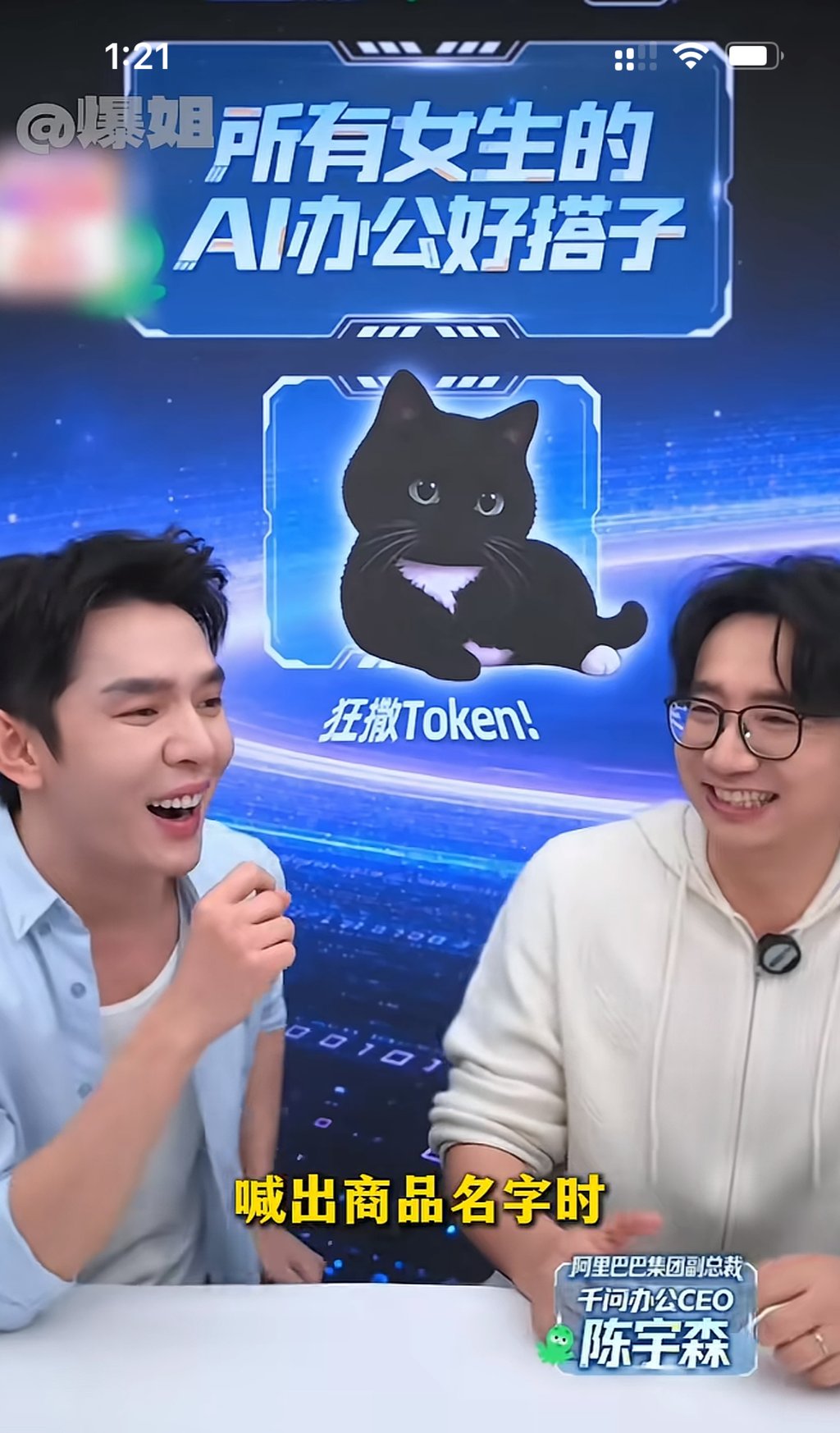
In a bid to monetise their AI investments, Chinese tech giants and dedicated AI developers are increasingly packaging artificial intelligence as a daily utility for the general public.
Alibaba’s Tmall debuted AI tokens as a stand-alone consumer category for this year’s festival, allowing shoppers to top up computing credits as easily as adding data to a mobile phone plan.
At least six Chinese AI developers have joined the platform’s token marketplace, including Alibaba Cloud, Z.ai, Moonshot AI and DeepSeek, while MiniMax launched an official Tmall flagship storefront in October.
China counted more than 700 million generative AI users in the first half of this year, representing more than half the nation’s population, according to data from the China Internet Network Information Centre.
KioskNews shows a cleaned-up reading view extracted from the publisher’s page — the original always lives on their site, not ours.