Care home residents were sacrificed to save NHS during Covid pandemic, damning inquiry report finds
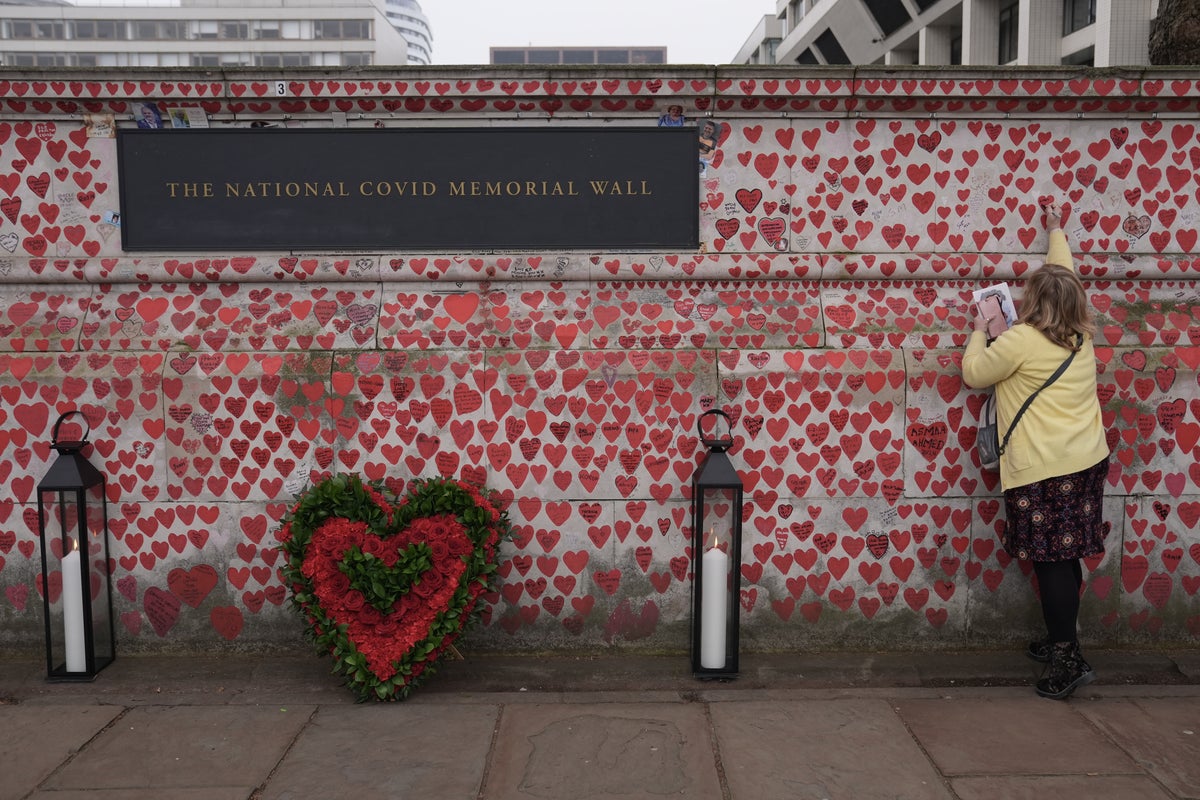
Care home residents were treated as “something of an afterthought” as government failures during the pandemic allowed Covid-19 to “spread like wildfire”, a damning inquiry report has found.
Baroness Heather Hallett, the retired Court of Appeal judge who chairs the Covid-19 inquiry, highlighted how the government’s ‘protecting the NHS’ mantra came “at the expense” of care patients and staff, with action being taken “too late”.
The UK Covid-19 Inquiry heard there were more than 43,000 deaths involving the virus in care homes across the UK between March 2020 and July 2022, with failures to protect the care sector having created environments that allowed it to “spread like wildfire”.
Baroness Hallett said that the high number of deaths in care homes in April 2020 brought the situation in care homes into “sharp focus”, but the shift in focus “came too late”.
“It caused the UK government and devolved administrations to turn their attention to the adult social care sector, as their focus until then had very much been on the response of the healthcare system and ‘protecting the NHS’,” she wrote.
“Given that it was well known that people receiving care were particularly vulnerable to any respiratory disease, let alone a deadly respiratory virus like Covid-19, that shift in focus came too late. Protective measures should have been put in place at the start of a pandemic, not once it had already taken hold.”
During hearings in 2025 a civil servant described the toll as a “generational slaughter within care homes”.
The inquiry found: “The adult social care sector as a whole also appeared to be something of an afterthought, where the mantra of ‘protecting the NHS’ sometimes came at the expense of the users and providers of care.”
The major report also found that former health secretary Matt Hancock’s claim he had tried to throw a “protective ring” around care homes was unfounded, with Lady Hallett, adding: “Quite the opposite was true.”
At a Downing Street press conference on May 15 2020, Mr Hancock, who resigned from government in 2021 after admitting to breaking social distancing guidance by having an affair with a colleague, said: “Right from the start, we’ve tried to throw a protective ring around our care homes.”
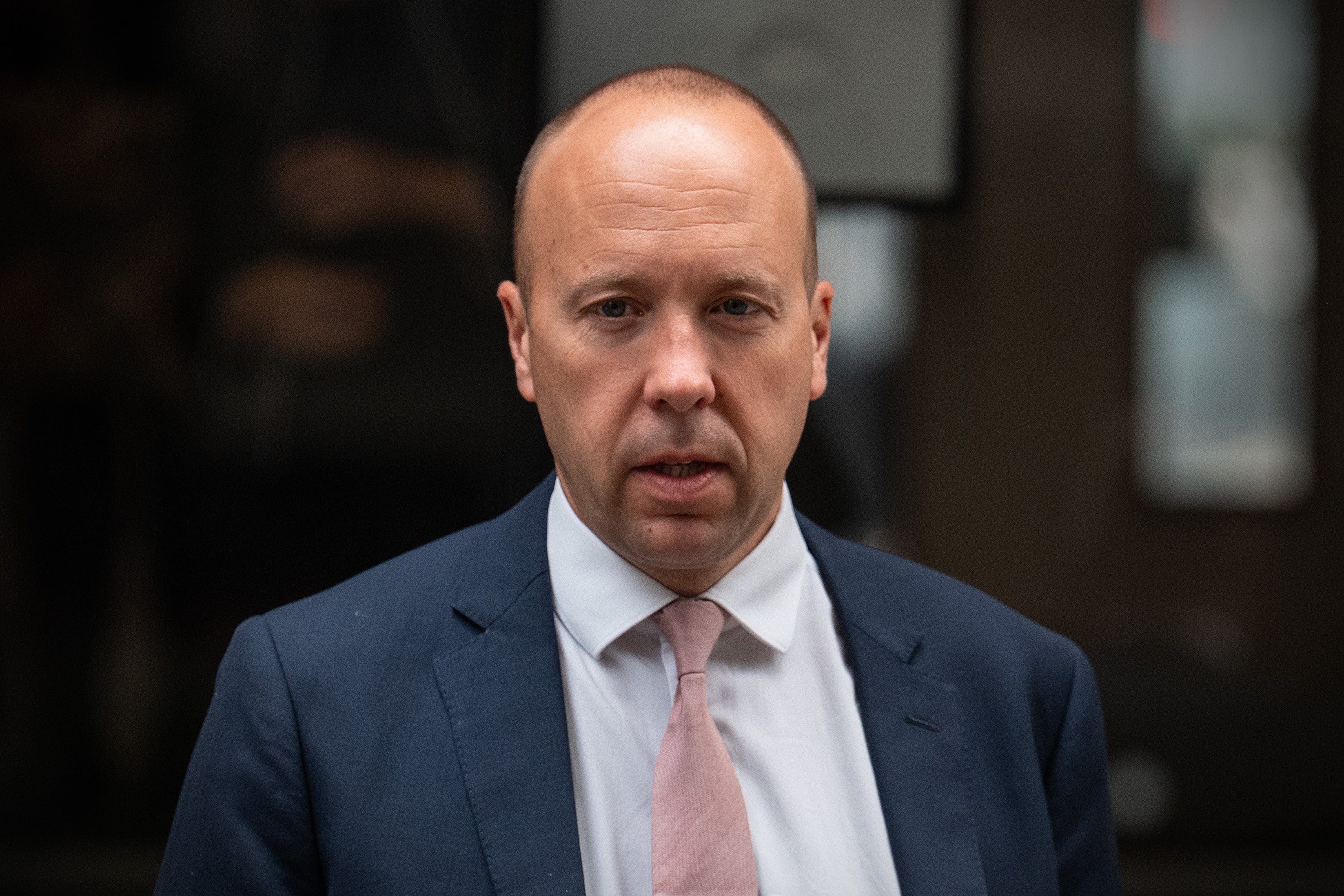
In the latest Covid 19 Inquiry report, published on Tuesday, it was found that his statement “does not accurately reflect the lack of action taken” to protect care homes at the outset of the pandemic.
Key findings from today’s report:
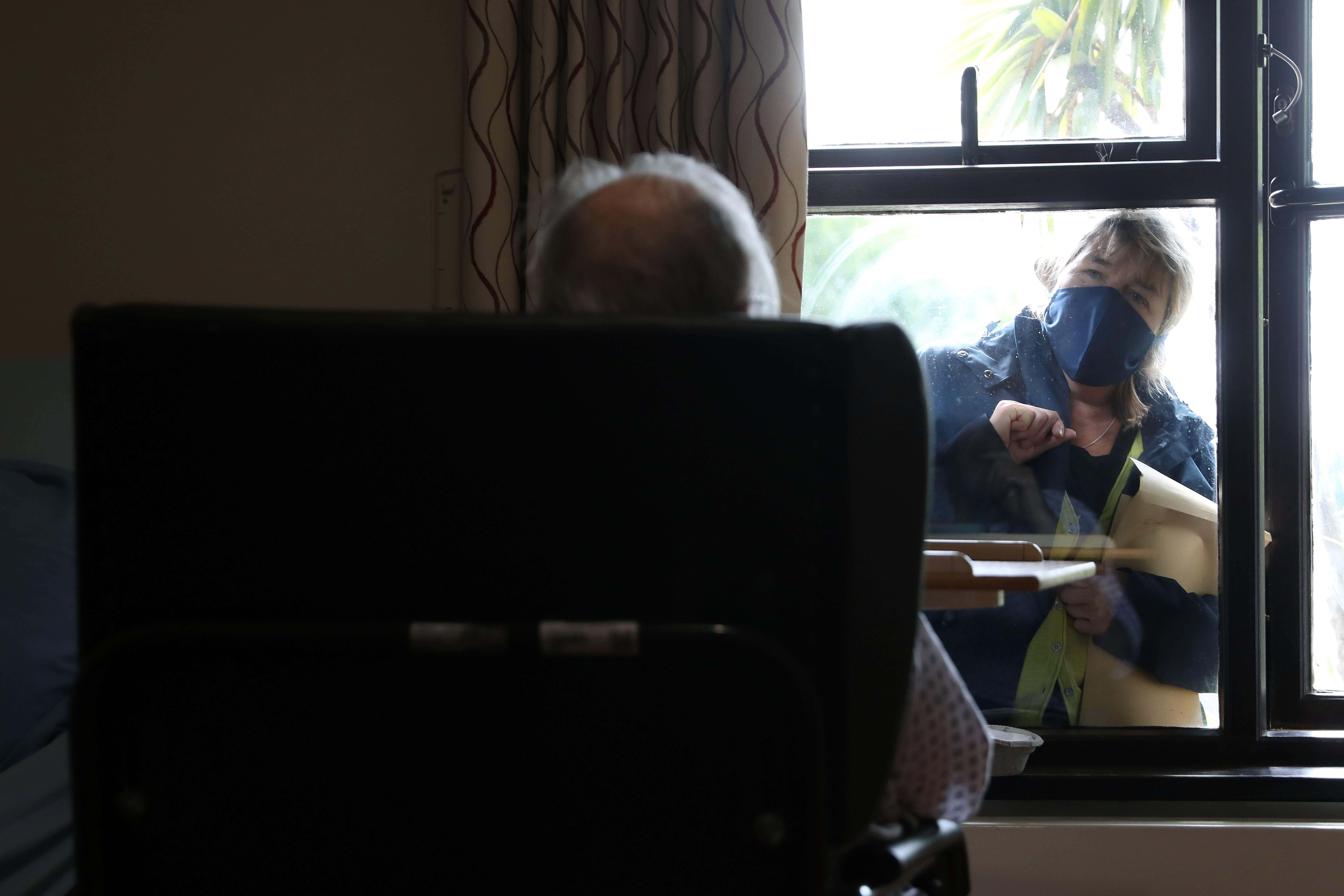
- Preventing visits to care homes “caused incalculable harm to residents and their loved ones and often resulted in a significant decline in the health and wellbeing of residents”.
- Matt Hancock’s claim he had tried to throw a “protective ring” around care homes was unfounded and branded a “cruel lie” by bereaved families.
- Shortages of personal protective equipment (PPE) for care workers led to some resorting to using festival waterproof ponchos, painters’ overalls, and gloves bought online as well as homemade PPE from fabric, bin bags, bed linen and other household items.
- Vulnerable care home residents were left with “insufficient protection” as patients were discharged from hospitals without knowing if they had the virus.
- Do not attempt cardiopulmonary resuscitation (DNACPR) decisions “made during the pandemic based on a person’s age, disability or health conditions, or without a personalised assessment to consider the person’s wishes and feelings, caused considerable distress and confusion for the individual, their loved ones and staff”.
- Support for the approximately 5.8 million unpaid carers across the UK “came too late” and the impact of the pandemic on them “was pronounced” as they faced having to give more complex care for longer hours “with less – if any – respite care”.
The inquiry found: “The UK government and devolved administrations knew, prior to the Covid-19 pandemic, of the extreme vulnerability of care home residents to respiratory viruses. Despite this, care homes received insufficient protection at the time they most needed it.”
Mr Hancock told the inquiry that the phrase was “clearly a piece of rhetoric” and a “form of words rather than the substance”.
But the report said that while his statement “may well have been a piece of rhetoric”, his choice of words “did not reflect what was happening in care homes in the first weeks and months of the pandemic”.
“Much of the action to which Mr Hancock referred did not take place from the start,” it found. “For example, testing all people discharged from hospital into care homes only began in mid-April 2020 and the Infection Control Fund was introduced in mid-May 2020. The delivery of infection prevention and control training by the NHS also took place in May 2020.
“By the time Mr Hancock made this statement, thousands of people had died in care homes in England.”
Covid-19 Bereaved Families for Justice UK said that Mr Hancock’s claim was a “cruel lie”.
Speaking on behalf of the group, Jean Adamson, said: “Today’s report is a devastating account of one of the darkest episodes in our country’s history.
“It shows that the government knew the care sector was extremely vulnerable to a pandemic and yet did nothing. Failing to act until it was too late.
“And It shows that Matt Hancock’s claim to have thrown a protective ring around care homes was a cruel lie.”
The inquiry found that vulnerable care home residents were left with “insufficient protection” as patients were discharged from hospitals without knowing if they had the virus.
Lady Hallett said the pandemic had “a devastating impact” on carers and those they cared for, and efforts to protect these groups “came too late”, with failures as a direct consequence of “an absence of proper pandemic planning for the adult social care sector”.
The report said there was a “severe shortage” of PPE supplies for the adult social care sector, leaving workers in a “wholly unacceptable position” where they had to work in either poor-quality PPE or with no PPE at all.
The report said: “Some care workers reported using “festival waterproof ponchos”, painters’ overalls, and gloves purchased from Amazon, DIY shops and other retailers. Others fashioned home-made PPE from fabric, bin bags, bed linen and other household items.
“Some used laminated plastic to make face masks and elastic from leggings to tie them around their heads.”
Care homes were also described as “becoming prisons” for some amid visiting bans and many residents feeling “abandoned”.
Though visiting guidance during the pandemic did allow exceptions to be made for end-of-life visiting, many families were not permitted to be with their loved ones.
The latest Covid Inquiry report found that this resulted in a “significant decline” in the health and wellbeing of residents, causing “profound and enduring effects”.
“Preventing visits caused incalculable harm to residents and their loved ones and often resulted in a significant decline in the health and wellbeing of residents, especially those with complex cognitive conditions such as dementia,” it found.

“As some told the Inquiry’s listening exercise, Every Story Matters, the restrictions left residents feeling “isolated”, “abandoned” and “alone”.”
Prime minister Andy Burnham said the government is “committed to learning the lessons” from the report and pledged to use the findings to develop an “action plan” in case of a future pandemic.
KioskNews shows a cleaned-up reading view extracted from the publisher’s page — the original always lives on their site, not ours.