Inflation soars to 7.2% as food, fuel prices climb in September 2026
Already have Rappler+?
to listen to groundbreaking journalism.
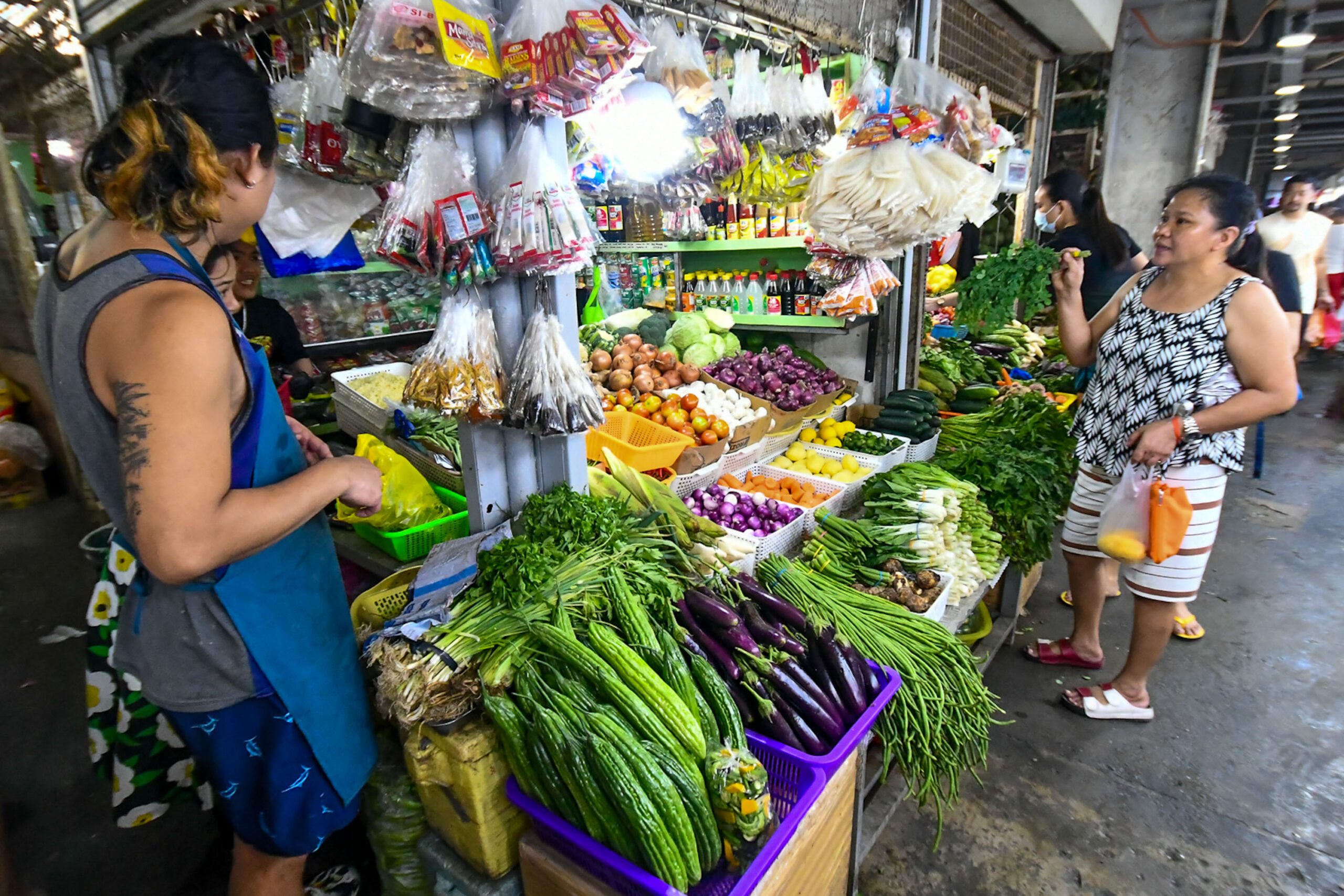
MARKET. People buy basic commodities at the Paco Market in Manila on March 11, 2026.
Rappler
The latest surge in inflation marks the end of a disinflation trend that brought the rate down for four straight months from the 7.2% also recorded in April
AT A GLANCE
- Headline inflation in the Philippines rose to 7.2% in September, driven by bad weather affecting food prices and higher fuel costs.
- The average inflation from January to September was 5.4%.
This is AI-generated. Read the article for full context. Report any errors.
MANILA, Philippines – Inflation accelerated in September as bad weather pushed up food prices while higher fuel costs and a weaker peso added to price pressures.
Headline inflation rose to 7.2% in September from 6.1% in August, the Philippine Statistics Authority reported on Tuesday, October 6. This matched the three-year high of 7.2% in April and marked the end of four straight months of decline.
Average inflation from January to September stood at 5.4%, remaining well above the government’s target range of 2% to 4%.
The September figure fell within the Bangko Sentral ng Pilipinas (BSP) forecast range of 6.4% to 7.4%.
Ahead of the release, the BSP had warned that weather disturbances could push up prices of vegetables, fish, rice, and fruits, adding inflationary pressure. Higher domestic petroleum prices and the peso’s depreciation were also expected to add to inflation.
Bank of the Philippine Islands (BPI) lead economist Emilio Neri Jr. had forecast inflation at 6.9%. Neri said monsoon rain and flooding disrupted the supply and transport of perishable food, while a series of fuel price hikes in the second half of September wiped out the relief from earlier rollbacks.
He warned that September could mark the beginning of another inflation upswing, with price growth potentially exceeding 7% in the coming months. Unlike the April spike, which was heavily influenced by fuel, BPI expects the next wave to be “broader and stickier, driven by food, labor costs, and more.”
The full impact of fare increases that took effect on September 28 will also only be felt from October onwards, with other upside risks including the Middle East tensions, the pending decision on Meralco’s rate reset that could lead to higher electricity rates, and the peso’s continued weakness.
Manulife Investment Philippines said the BSP should continue focusing on keeping inflation expectations anchored rather than reacting primarily to short-term peso movements.
Jean Olivia de Castro, Manulife Investment Philippines’ head of fixed income, noted that much of the currency’s weakness is driven by elevated US treasury yields and broad dollar strength.
The BSP raised its key policy rate to 5% in August, its third consecutive 25-basis-point increase. – Rappler.com
KioskNews shows a cleaned-up reading view extracted from the publisher’s page — the original always lives on their site, not ours.