Iran fires drones at US military radar system in Bahrain amid Gulf tensions
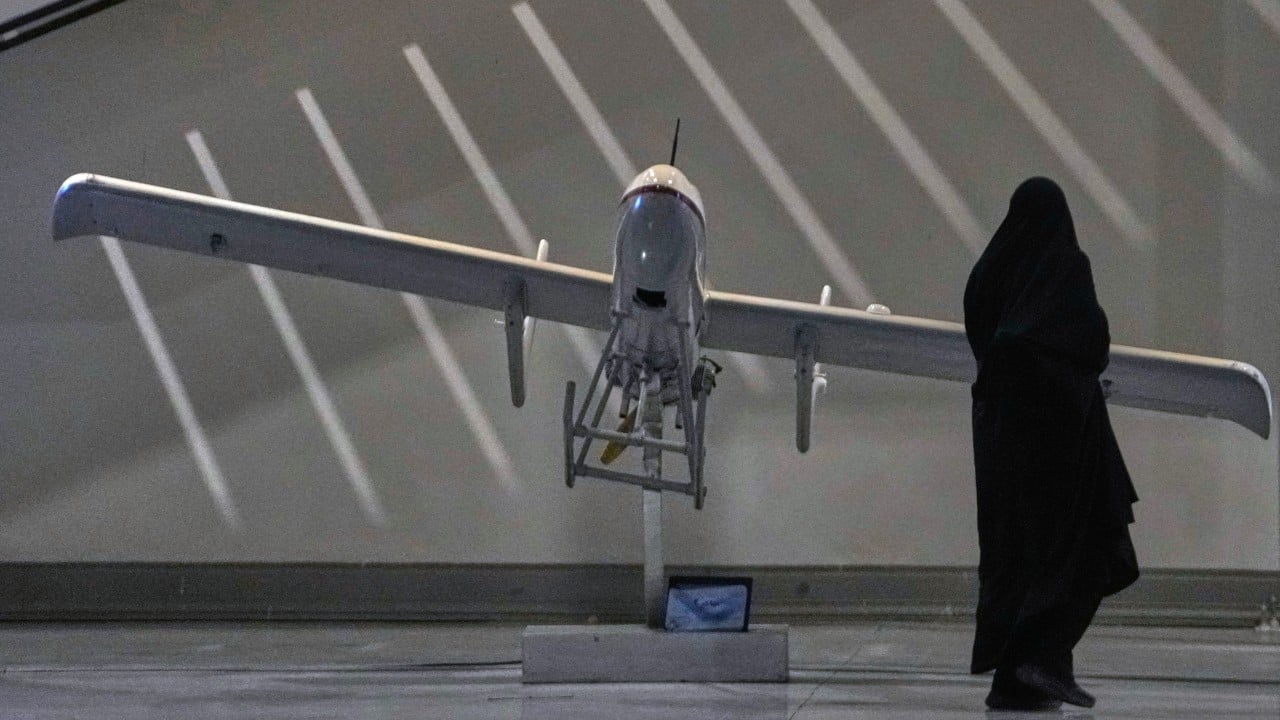
Iran fired drones at a US military radar system in Bahrain on Tuesday as tensions in the Gulf remained high, despite talks between Tehran and Oman on safeguarding maritime corridors in the Strait of Hormuz after nearly nine months of war.
Iran’s Islamic Revolutionary Guards said the radar system that it attacked was at the Sheikh Isa base in Bahrain, the Arab Gulf state that is home to the US Fifth Fleet.
Bahrain said it had intercepted the attack after sending an air raid alert and telling citizens to take shelter. There were no reports of casualties or damage.
Bahrain had also intercepted several Iranian aerial attacks on Sunday, during which Tehran revealed it had targeted a US radar system at the Al-Rifaa helicopter base after what it said were hostile US actions.
01:01
Houthi attack on Saudi airport kills 12, injures hundreds
The war has ground to a stalemate, with US President Donald Trump saying he might hold off from attacking Iran if the US does not face what he described as provocations from Tehran or the Iran-backed Houthi group in Yemen.
But Trump has said he will maintain a US naval blockade on Iran in response to Tehran’s continued disruption of shipping in the Strait of Hormuz, a vital route for global energy supplies and other trade.
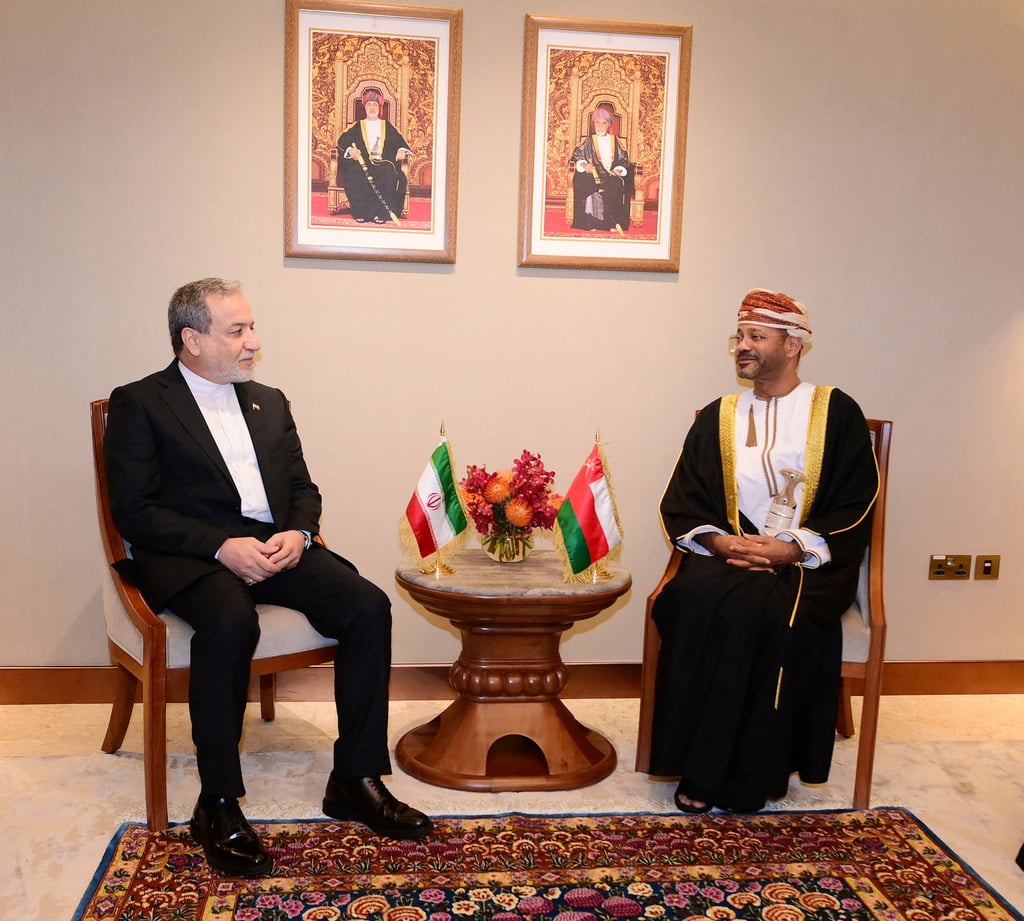
Iranian Foreign Minister Abbas Araqchi was on Tuesday visiting Oman, which lies on the opposite side of the Strait of Hormuz to Iran and has mediated in the conflict that began with US and Israeli attacks on Iran on February 28.
Araqchi discussed safeguarding maritime corridors and ensuring the smooth flow of global shipping and trade with Omani Foreign Minister Badr Al Busaidi, the Omani foreign ministry said. The two also talked about revitalising channels for dialogue and negotiation to prevent escalation.
“These efforts aim to expand areas of mutual understanding among the concerned parties and prevent the widening of the crisis and its repercussions,” the ministry said in a statement.
Last week, Iran attacked ship navigation systems on the Omani island of Didamar, which lies in the strait. Gulf exporters have been increasingly using workarounds to raise oil flows via Hormuz.
Attacks on tankers have increased in the waterway, which carried about one-fifth of global energy supplies before the war and is a sticking point in negotiations on ending the conflict.
Oman and Iran have previously held on-and-off talks about controlling traffic in the strait, most recently in August. Before the war, shipping passed freely through the strait, which sits in the territorial waters of both countries but is generally regarded as an international waterway.
The disruption to shipping has threatened oil supplies and caused global economic problems.
The war also continues to spill over into other parts of the Middle East as Iran puts pressure on Washington through its Houthi allies, who have carried out attacks on Saudi Arabia and seized areas along the Yemeni coast on the Bab el-Mandeb Strait, hoping to squeeze Gulf oil producers.
Tuesday’s attack on Bahrain followed the sentencing there of 64 people, mostly Shiite clerics, to life in prison on charges of colluding with Iran to undermine the state.
Bahrain, a Shi’ite-majority country ruled by a Sunni Muslim family, has launched a crackdown on Shiite clerics since Tehran began attacking it this year following the US-Israeli strikes, but it has long been anxious about Iranian influence.
Among those sentenced to life imprisonment was Sheikh Isa Qassim, who is widely regarded as the spiritual leader of Bahrain’s Shiite community and has lived in Iran since 2018, according to the Bahrain Institute for Rights and Democracy.
Iran’s foreign ministry condemned the court’s ruling on Tuesday and said the accusations were baseless. Tehran has long denied interference in Bahrain’s internal affairs.
US Secretary of State Marco Rubio condemned Iranian strikes in Bahrain during a call on Monday with Bahrain’s foreign minister.
KioskNews shows a cleaned-up reading view extracted from the publisher’s page — the original always lives on their site, not ours.